

Your 10th Gen (FC1/FK7) or 11th Gen (FL1/FL5) Civic just threw a P0299 — and the turbo is not producing the expected boost pressure.
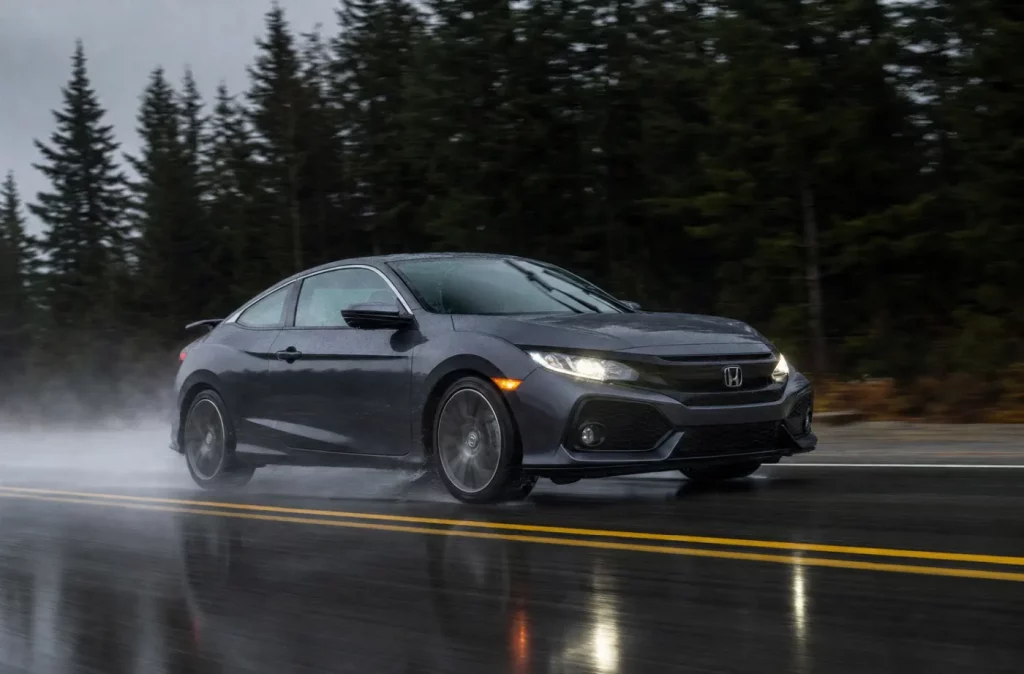
P0299 is the code for “Turbocharger/Supercharger ‘A’ Underboost Condition”. The ECU is indicating that the turbo is not generating sufficient boost. The ECU commands a target boost pressure, but the MAP sensor reports that actual boost is 2-4 psi lower than commanded for a sustained period. The ECU responds by reducing boost and entering limp mode, significantly reducing engine power.
Here is a garage-tested breakdown of what P0299 actually means on these cars and how to repair it without overpaying AT the dealership.
P0299 Breakdown: Understanding Turbo Underboost
P0299 (“Turbo Underboost”) indicates that the ECU is not seeing the expected boost pressure from the Turbocharger.
The ECU calculates a target boost pressure based on throttle position, RPM, and engine load. It compares this target to the actual reading from the MAP sensor. If actual boost is significantly lower than target (typically 2-4 psi or more) for a set duration, the ECU sets P0299 and enters limp mode — reducing boost, limiting power, and illuminating the check engine light.
⚠️ THE GOLDEN RULE: In approximately 90% of P0299 cases on Honda Civics, the turbocharger itself is not the issue. The problem lies in the boost control system — a loose wastegate, a cracked intercooler, or a failed charge pipe coupler.
The Symptoms:
- Significant loss of power — the vehicle feels underpowered above 3,000 RPM
- “Power System Error” displayed on the instrument cluster
- Check engine light with P0299 stored
- No boost during full-throttle acceleration — the vehicle does not pull as it should
- Hissing or whistling sound under acceleration (indicative of a boost leak)
- Reduced fuel economy — the ECU enriches the fuel mixture to compensate
The 3 Most Common Causes of P0299 on Honda L15B7/K20C1
On Hondas, P0299 is almost never a failed turbocharger. It is typically one of these three issues.
1. The Electronic Wastegate (EWG) Misalignment.
On the L15B7 and K20C1, the wastegate is controlled by an electronic actuator. The actuator features a lock nut on the actuator rod that can loosen due to vibration and heat cycles. When this nut loosens, the wastegate flapper remains slightly open. Exhaust gases bypass the turbine, preventing the turbo from building adequate boost.
⚠️ This is the most common cause of P0299 on 10th and 11th Gen Civics.
The Test: Allow the engine to cool. Access the turbocharger from behind the engine and grasp the wastegate actuator rod. Attempt to move it. If the rod has excessive play or the lock nut is loose, the wastegate is not sealing properly.
The Fix: Adjust the wastegate rod preload. This is a no-cost repair requiring only a 10mm wrench and pliers. Tighten the lock nut and set the preload to factory specification.
2. The Cracked Intercooler Plastic End Tanks.
The factory intercooler on the 10th and 11th Gen Civics features an aluminum core with plastic end tanks. When running 21+ psi on a custom tune (Hondata or KTuner), the plastic end tanks can crack at the seams under increased pressure. Boost escapes through these cracks, and the ECU detects underboost.
The Test: Remove the front bumper and inspect the intercooler for cracks on the plastic end tanks, particularly around the seam where the plastic meets the aluminum core. Look for oil residue around the cracks — oil from the PCV system is often pushed out with the boost.
The Fix: Replace the factory intercooler with an upgraded all-aluminum unit from PRL, Mishimoto, or 27Won ($450–$600).
3. The Slipping/Torn Charge Pipe Couplers.
The rubber or silicone couplers connecting the charge pipes to the intercooler and throttle body can dry out, crack, or slip off under boost pressure. When this occurs, pressurized air escapes, often accompanied by a hissing or whistling sound.
The Test: Inspect all charge pipe couplers for oil residue (an indicator of a boost leak), cracks, or loose clamps. Have an assistant rev the engine while spraying soapy water on the couplers — bubbles will form at the leak point.
The Fix: Replace the couplers with high-quality silicone units from PRL or Mishimoto ($150–$250 for a complete set).
10th–11th Gen Specifics — What to Watch For on Your Civic
The Factory Bypass Valve (BPV) Leak.
The stock bypass valve on the L15B7 uses a plastic piston and rubber diaphragm. When running a 23+ psi custom tune with the stock BPV, the diaphragm can tear under the increased pressure. Boost recirculates to the intake instead of entering the engine.
Pro Tip: For high-boost applications, consider upgrading to an aftermarket BPV from Boomba or Turbosmart ($140–$180).
The Wastegate Relearn (EWG Learning Procedure).
After adjusting or replacing the wastegate actuator, the Electronic Wastegate (EWG) Learning Procedure must be performed using a bidirectional scan tool (Honda HDS, Autel, or Launch). This procedure calibrates the ECU to the new zero position of the wastegate. Without this relearn, the ECU may keep the wastegate in an incorrect position, and P0299 will return.
Actionable Driveway Diagnostics — The Systematic Approach
This diagnostic routine will help you avoid unnecessary parts replacement.
Step 1: The Actuator Arm Shake Test.
Allow the engine to cool. Access the turbocharger from behind the engine and grasp the wastegate actuator rod. Check for movement and inspect the lock nut on the rod.
The Verdict:
- If the rod has excessive play or the lock nut is loose: Adjust the rod preload. Tighten the lock nut.
- If the rod is secure and the nut is tight: Proceed to Step 2.
Step 2: The Visual and Soap Water Leak Test.
Remove the front bumper cover (10mm bolts and plastic clips). Inspect the intercooler and charge pipes. Look for cracks, oil residue, or loose couplers.
Apply soapy water to the couplers and intercooler end tanks. Have an assistant rev the engine to build boost.
The Verdict:
- If bubbles appear: The boost leak has been located. Repair it.
- If no bubbles and no cracks are found: Proceed to Step 3.
Step 3: The Datalogging Test (Target vs. Actual Boost).
If using Hondata FlashPro or KTuner, log the parameters TC Target Boost and MAP Sensor (or Boost Pressure) during a wide-open-throttle pull.
The Verdict:
- If target boost is 18 psi but MAP shows 10-12 psi: A boost leak or wastegate issue is present. Locate and repair the leak.
- If target and actual boost match: The issue may be in the sensor or software — the ECU may be misinterpreting boost data. Inspect the MAP sensor and wiring.
OEM Part Numbers & US Sourcing
| Part | Fits | OEM/Aftermarket Part Number | Online Cost | Dealer Cost |
|---|---|---|---|---|
| Intercooler (Upgraded All-Aluminum) | 10th/11th Gen L15B7 | PRL / Mishimoto / 27Won | $450–$600 | N/A |
| Charge Pipe Kit (Silicone) | 10th/11th Gen L15B7 | PRL / Mishimoto | $150–$250 | N/A |
| Bypass Valve (BPV) — Upgraded | 10th/11th Gen L15B7 | Boomba / Turbosmart | $140–$180 | N/A |
| Wastegate Actuator (OEM) | 10th/11th Gen L15B7 | Verify by VIN | $120–$180 | $250–$400 |
| Turbocharger Assembly (OEM) | 10th Gen L15B7 1.5T | Verify by VIN | $900–$1,500 | $2,500+ |
Repair Cost Breakdown
| Repair | DIY Cost | Independent Shop | Honda Dealer |
|---|---|---|---|
| Wastegate Rod Adjustment | $0 (10mm wrench + pliers) | $100–$180 | $200–$350 |
| Intercooler Replacement (Upgraded) | $450–$600 | $650–$950 | $1,200–$1,800 (stock parts) |
| Charge Pipe + Coupler Replacement | $150–$250 | $350–$550 | $600–$900 (dealer parts) |
| BPV Replacement (Upgraded) | $140–$180 | $250–$400 | N/A |
| Turbocharger Replacement (OEM) | $900–$1,500 | $1,800–$2,500 | $2,500–$3,500+ |
| Dealer Diagnostic Fee | N/A | N/A | $120–$200 |
Sourcing Tip: We track live market rates and cross-reference part numbers directly from US OEM catalogs such as HondaPartsNow and popular aftermarket distributors like PRL Motorsports, Mishimoto, and 27Won.
Used Buyer Warning
If you are test-driving a 10th or 11th Gen Civic with a “Power System Error” and P0299 code, proceed with caution.
If the seller claims it just needs a tune adjustment — negotiate accordingly or consider walking away.
Why this matters:
- Wastegate Adjustment: A no-cost fix — if the seller did not address this simple adjustment, what other maintenance may have been neglected?
- Intercooler Crack: If the vehicle is tuned and the intercooler end tanks are cracked, boost has been lost for an extended period. The engine may have been running lean under boost, which can lead to ring land failure — a $3,000+ repair.
- Turbo Replacement: If the seller claims “it needs a new turbo,” seek a second opinion. In the majority of cases, the turbo is not the issue.
- If the seller cannot clear the code and demonstrate boost pressure on a datalog, consider this a warning sign.
Used buyer rule: P0299 with a “Power System Error” should be treated with caution — inspect the wastegate, intercooler, and boost system, or have the vehicle evaluated by a professional.
Quick Reference Checklist
☐ P0299 = Turbo Underboost — actual boost is 2-4 psi below target
☐ Approximately 90% of P0299 cases are NOT a failed turbo — the issue is typically the wastegate, intercooler, or charge pipes
☐ Check the wastegate actuator rod — a loose lock nut or excessive play indicates the wastegate is stuck open
☐ Adjust the wastegate rod preload — a no-cost repair using a 10mm wrench and pliers
☐ Inspect the intercooler for cracks — plastic end tanks can crack on tuned vehicles at 21+ psi
☐ Consider an all-aluminum intercooler upgrade — PRL, Mishimoto, or 27Won ($450–$600)
☐ Check charge pipe couplers for leaks — use soapy water to identify bubbles under boost
☐ Upgrade the bypass valve (BPV) — the stock plastic BPV can tear at 23+ psi
☐ Datalog target vs. actual boost — if target is 18 psi and actual is 10-12 psi, a leak is present
☐ EWG Relearn Procedure — required after any wastegate adjustment
☐ Avoid replacing the turbo without diagnosing the boost system first — in the majority of cases, the turbo is not the issue
☐ Used Buyer Rule — P0299 with a “Power System Error” typically indicates a wastegate, intercooler, or charge pipe issue. Do not purchase without proper inspection.