

Your 8th Gen (FA5/FG2), 9th Gen (FB6/FG4), 10th Gen (FC1/FK7), or 11th Gen (FL1/FL5) Civic just threw a P0497 — and the EVAP system is no longer flowing vapor as expected.
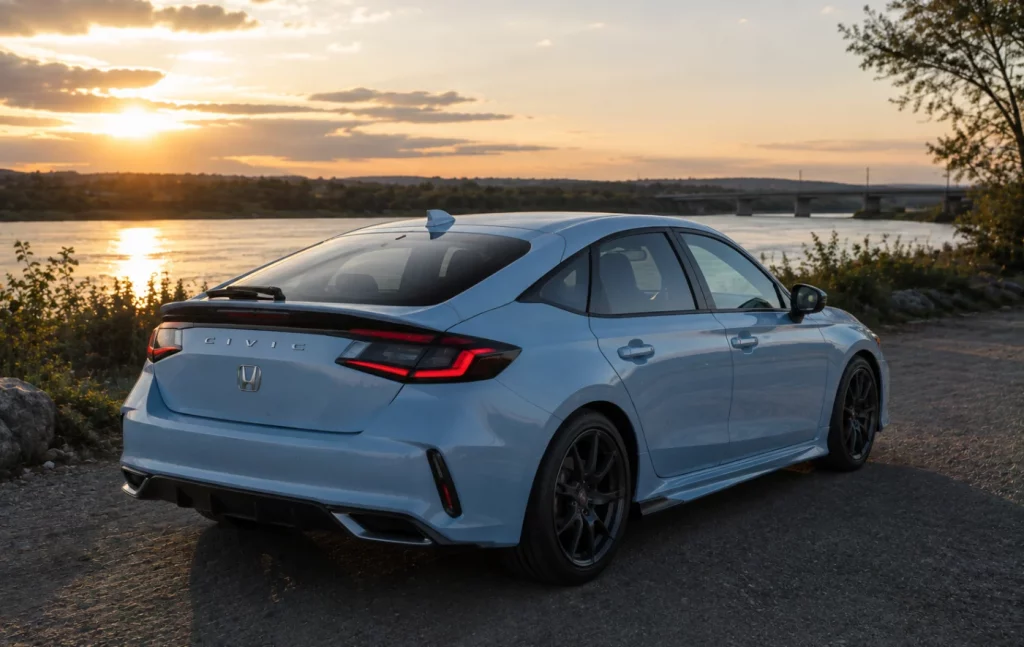
P0497 is the code for “EVAP System Low Purge Flow.” The ECU opens the purge valve, expecting to draw fuel vapors from the charcoal canister into the intake manifold. However, the Fuel Tank Pressure (FTP) sensor indicates that there is minimal vacuum drop — flow is essentially zero. The system is sealed, and the electrical components are functioning (no P0443), but the vapor path is restricted.
⚠️ THIS IS NOT P0455 OR P0456. Those codes indicate a leak — air entering the system where it should not. P0497 means the system is sealed, but airflow is obstructed. The purge valve opens, the hoses are intact, but vapors are not flowing due to a blockage in the vapor path.
Here is a garage-tested breakdown of what P0497 actually means on these cars and how to repair it without unnecessary expense AT the dealership.
P0497 Breakdown: Understanding the EVAP Flow Blockage
P0497 (“EVAP Low Purge Flow”) indicates that the ECU commanded the purge valve to open, but insufficient vapor flow was detected.
The EVAP system operates as follows: Fuel tank → EVAP hoses → Charcoal Canister → Purge Valve → Intake Manifold. The canister traps fuel vapors, and when the ECU commands the purge valve to open, engine vacuum draws those vapors into the intake for combustion. When the purge valve opens, the ECU expects to see a specific vacuum drop at the FTP sensor. If the drop is too small or absent, the ECU sets P0497.
THE GOLDEN RULE: P0497 does not automatically indicate a faulty purge valve. On 8th–11th Gen Civics, the purge valve often clicks normally (so no P0443 is triggered), but the vapor path is obstructed by carbon pellets, a collapsed hose, or a clogged canister. Diagnose the flow path, not just the valve.
The Symptoms:
- Check engine light with P0497 stored
- Rough idle or hesitation — purge flow affects fuel trim adjustments
- Hard starting after refueling — pressure builds up in the tank
- Audible pressure release when opening the gas cap — the tank is pressurized because vapors cannot escape
- Slight decrease in fuel economy — the ECU adjusts fuel trims in response
- Emissions test failure — the EVAP monitor will not complete
The 4 Most Common Causes of P0497 on Civic (8th–11th Gen)
On Hondas, P0497 is almost always one of these four issues.
1. The Charcoal Canister Degradation.
This is the most common cause of P0497 on 8th and 9th Gen Civics. The charcoal canister is mounted under the car, and over time (especially if the previous owner overfilled the tank after the pump clicked), the activated carbon pellets inside degrade. The pellets escape through the vapor lines, travel forward, and clog the purge valve, hoses, and fittings. The purge valve may click open, but the carbon pellets physically block the flow — no vapor passes through.
The Test: Remove the purge valve (under the Hood). Tap it on a piece of paper or shake it over a clean surface. If small black pellets or black dust fall out, the charcoal canister is disintegrating.
The Fix: Replace the charcoal canister (Dorman or OEM — $150–$250) AND the purge valve (Denso — $40–$80). Then blow out all EVAP hoses with compressed air to remove any remaining pellets. Replacing only the valve will result in recurrent blockage within weeks.
2. The Stuck/Clogged Purge Valve.
The purge valve may click electrically (so the ECU sees the circuit is functional), but the internal plunger may be stuck closed due to debris, carbon dust, or varnish buildup. It passes the electrical test but fails the flow test.
The Test: Remove the purge valve. Apply vacuum to the port connecting to the intake manifold and attempt to blow through the valve with no power applied — it should be closed. Then apply 12V power to the valve — a click should be heard, and it should be possible to blow through it freely. If it does not open, it is mechanically stuck.
The Fix: Replace the purge valve. Check for carbon pellets first — if black dust is present, the canister must also be replaced.
3. The Pinched/Collapsed EVAP Hose.
If the Civic is lowered or has sustained an impact, the EVAP hoses under the car can become pinched, crushed, or collapsed. This restricts vapor flow, and the ECU detects low purge flow. Additionally, aftermarket vacuum hoses that are not fuel-rated can collapse under engine vacuum, blocking flow.
The Test: Inspect under the car and visually examine all EVAP hoses from the canister to the purge valve. Look for kinks, flat spots, or crushed sections. Also check hoses near the fuel tank and the engine bay.
The Fix: Replace any damaged hoses with 5/16″ fuel-rated rubber hose (approximately $5–$10 from AutoZone).
4. The Clogged Fuel Tank Vent or Filler Neck.
On some Civics, the vent line from the fuel tank to the canister can become blocked by dirt, rust, or carbon dust. This restricts vapor flow from the tank to the canister, causing low purge flow even if the canister and purge valve are functional.
The Test: Disconnect the EVAP hose at the fuel tank and attempt to blow through it with compressed air (low pressure, 5-10 PSI). If airflow is blocked, the line is obstructed.
The Fix: Clear the line with compressed air (carefully — do not over-pressurize the tank). If the blockage is due to rust or debris, the vent line may need replacement.
8th–11th Gen — Different Beasts, Different Problems
8th Gen Civic (2006–2011) R18 / K20:
- ⚠️ The Carbon Pellet Problem. This is the most common cause on 8th Gens. The charcoal canister is now over 15 years old, and carbon pellet degradation is prevalent. Check the purge valve for black dust FIRST before purchasing any components.
- Pro Tip: If carbon pellets are found in the purge valve, clean the EVAP hoses with compressed air as well. Otherwise, debris from the new canister may contaminate the new valve.
9th Gen Civic (2012–2015) R18 / K24:
- ⚠️ The Same Canister Problem. 9th Gens are now over 10 years old. Canister degradation is equally common as on 8th Gens. The plastic fittings on the canister can also crack, causing both flow issues and leaks.
- Pro Tip: When replacing the canister, replace the quick-connect fittings as well — they become brittle with age and may break during removal.
10th Gen (2016–2021) L15B7 / K20C1:
- ⚠️ The Turbo-EVAP Complexity. On 1.5T engines, the intake manifold is under boost pressure, not vacuum. The purge system uses a two-way bypass valve and a venturi (ejector) system to draw vapors. If the venturi passages become clogged with PCV oil blow-by, purge flow drops and P0497 appears.
- Pro Tip: On 10th Gen turbo Civics, inspect the small vacuum lines connected to the purge valve assembly — they often become clogged with oil residue from the PCV system.
11th Gen (2022+) L15CA / K20C1:
- ⚠️ The New EVAP Architecture. The 11th Gen features a more complex EVAP system with additional sensors and valves. For 11th Gen Civics with P0497, check for Honda service bulletins first — many of these vehicles remain under warranty.
- Pro Tip: Avoid replacing parts on an 11th Gen without a proper scan tool capable of commanding the purge valve and viewing live FTP sensor data.
Actionable Driveway Diagnostics — The Flow Blockage Approach
This diagnostic routine will help you avoid unnecessary parts replacement. Follow this order exactly.
Step 1: The Carbon Pellet Test.
Remove the purge valve from the engine bay. Tap it on a piece of paper or shake it over a clean surface. Look for small black pellets or black dust.
The Verdict:
- If black pellets or dust are present: The charcoal canister is disintegrating. Replace the canister AND the purge valve. Also blow out all EVAP hoses with compressed air.
- If no black dust is present: Proceed to Step 2.
Step 2: The Purge Valve Flow Test.
With the purge valve removed, apply vacuum to the port connecting to the intake manifold (use a hand vacuum pump). With no power applied, the valve should hold vacuum. Then apply 12V power — a click should be heard, and the vacuum should drop to zero (indicating the valve opens).
The Verdict:
- If the valve does not open when 12V is applied: Replace the purge valve. Check for carbon pellets first.
- If the valve opens and holds vacuum: Proceed to Step 3.
Step 3: The EVAP Hose Blow Test.
Disconnect the EVAP hose from the purge valve (the hose from the canister). Using a compressor with a blow gun, apply low pressure (5-10 PSI) to the hose. Air should flow freely from the other end (at the canister or fuel tank).
⚠️ DO NOT USE HIGH PRESSURE. EVAP hoses and fittings are not designed for 100 PSI. High pressure can damage the canister or fuel tank.
The Verdict:
- If air flows freely: The hoses are clear. Proceed to Step 4.
- If airflow is restricted or blocked: The hose or canister is clogged. Trace the blockage. Inspect the canister, quick-connect fittings, and fuel tank vent.
Step 4: The Charcoal Canister Inspection.
Inspect under the car and examine the charcoal canister. Look for cracks, damage, or fuel saturation. If the canister is cracked or black dust was found in Step 1, replace the canister.
Important: Avoid Low-Quality Parts
⚠️ DO NOT PURCHASE A $15 UNIVERSAL PURGE VALVE FROM AMAZON.
Honda ECUs are sensitive to the flow characteristics of the purge valve. Inexpensive universal valves often have different flow rates and resistance values. The code may return immediately or cause driveability issues.
Recommended parts:
- Denso (the OEM supplier for Honda) — $40–$80
- OEM Honda — $80–$130 (same as Denso, with Honda packaging)
- Dorman for charcoal canisters — $150–$250
- OEM Honda for charcoal canisters — $250–$400
Repair Cost Breakdown
| Repair | DIY Cost | Independent Shop | Honda Dealer |
|---|---|---|---|
| Purge Valve Replacement | $40–$80 | $150–$250 | $250–$400 |
| Charcoal Canister Replacement | $150–$250 | $350–$600 | $500–$800 |
| EVAP Hose Replacement | $10–$30 | $100–$200 | $200–$350 |
| EVAP System Cleaning / Blow-out | $0–$10 (compressed air) | $80–$150 | $150–$250 |
| Dealer Diagnostic Fee | N/A | N/A | $120–$200 |
Common DIY Mistakes — What NOT to Do
❌ Assuming P0497 always means replacing the purge valve. The valve may be functional — the blockage could be in the hoses or canister.
❌ Replacing the purge valve without checking for carbon pellets. If the canister is degrading, the new valve will clog again within weeks.
❌ Ignoring the EVAP hoses. A kinked or collapsed hose can cause P0497 even with a new valve and canister.
❌ Using low-cost universal purge valves. They often do not flow correctly, and the code returns.
❌ Replacing the charcoal canister without checking the hoses. If the hoses are clogged with carbon pellets, the new canister will not resolve the flow issue.
❌ Over-pressurizing the EVAP system with shop air. This can crack the canister or fuel tank. Use 5-10 PSI maximum.
❌ Clearing the code and assuming the issue is resolved. The EVAP monitor requires specific drive cycles to complete.
Used Buyer Warning
If you are test-driving an 8th–11th Gen Civic with a P0497 code, proceed with caution.
If the seller claims it just needs a purge valve — negotiate accordingly or consider walking away.
Why this matters:
- Carbon Pellet Problem: Canister degradation requires replacement of both the canister ($150–$250) and purge valve ($40–$80), plus labor.
- Clogged Hoses: If hoses are packed with carbon pellets, cleaning them requires significant time and effort.
- Hard Start / Rough Idle: P0497 can cause driveability issues if purge flow is severely restricted — fuel trims are affected.
- Emissions Failure: P0497 guarantees an emissions test failure as the EVAP monitor will not complete.
- If the seller cannot demonstrate that the EVAP monitor is ready, consider this a warning sign.
Used Buyer Rule: P0497 combined with claims of a cheap fix should be treated with caution — inspect for carbon pellets or have the system evaluated before purchase.
Quick Reference Checklist
☐ P0497 = EVAP Low Purge Flow — the vapor path is blocked
☐ 8th–11th Gen Civic specific — affects R18, K20, K24, L15B7, L15CA, K20C1
☐ Car may idle rough or hesitate — purge flow affects fuel trims
☐ Check the purge valve for carbon pellets — black dust indicates canister degradation
☐ Test the purge valve — should open with 12V and flow air freely
☐ Test the EVAP hoses — use low pressure air (5-10 PSI) to check for blockages
☐ Inspect the charcoal canister — cracks or damage require replacement
☐ ⚠️ NEVER use high-pressure shop air on EVAP — 5-10 PSI maximum
☐ Avoid low-cost universal purge valves — use Denso or OEM only
☐ 8th/9th Gen: Carbon pellet degradation is the most common cause
☐ 10th Gen Turbo: Check venturi passages for PCV oil blow-by
☐ 11th Gen: Check for service bulletins before replacing parts
☐ Used Buyer Rule — P0497 with claims of a cheap fix is a warning sign — inspect for carbon pellets or have the system evaluated