

For years, Honda enthusiasts have debated the value proposition of the Civic Type R. Is it really worth the premium over the 1.5T Civic? Can the smaller engine be tuned to match the Type R’s performance? And how do these two powertrains compare in terms of long-term reliability? The answers are more nuanced than the spec sheet suggests.
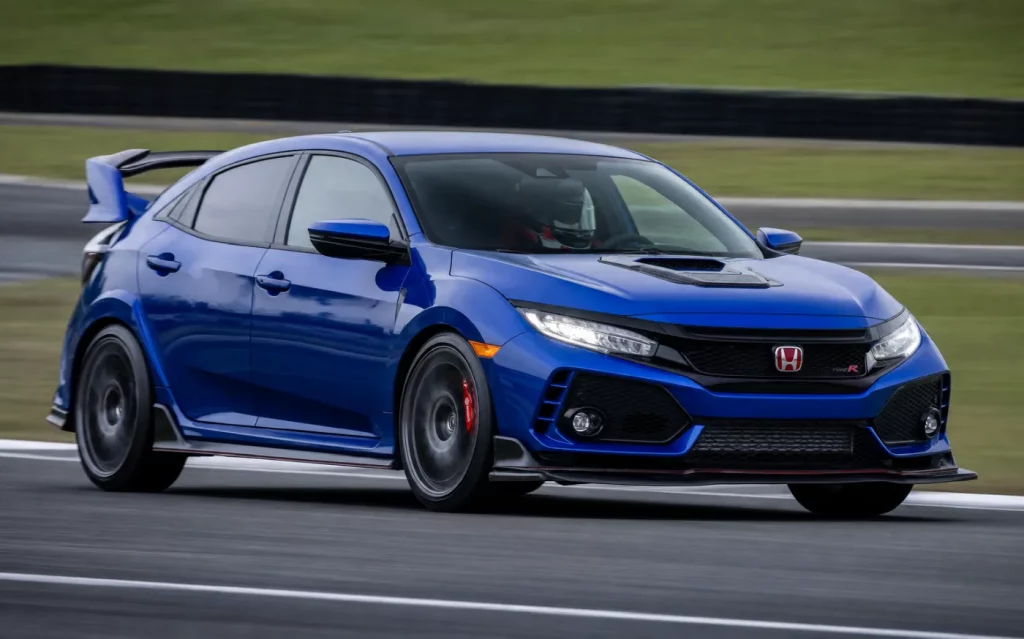
At first glance, the comparison seems straightforward. The 1.5T produces 174–205 horsepower depending on the application, while the Type R’s K20C1 produces 306–315 horsepower. But the difference isn’t just about power — it’s about the entire engineering philosophy behind each engine.
This isn’t a comparison about which car is faster. It’s a comparison about which powertrain makes more sense for your budget, your driving style, and your long-term ownership goals. And critically, it’s a comparison about how direct injection and port injection create fundamentally different maintenance profiles over the life of the engine.
The 1.5T is the more affordable and fuel-efficient choice with surprising tuning potential — but it has documented reliability concerns including oil dilution, Head Gasket Failure, and carbon buildup at higher mileage. The Type R’s K20C1 is more robust from the factory, with forged internals, better cooling, and a stronger bottom end, but comes with significantly higher purchase and maintenance costs. The Type R is the better long-term platform for serious performance; the 1.5T is the better value for daily driving with moderate modifications.
The Engineering Divide: Two Completely Different Approaches
Honda’s 1.5-liter turbo and 2.0-liter Type R engines represent two very different engineering philosophies. The 1.5T was designed as a fuel-efficient, responsive daily driver engine that could be used across multiple models. The K20C1 was designed from the ground up as a performance engine with track capability in mind.
1.5T (L15B7 / L15CA): This is a small-displacement turbocharged engine with direct injection. It produces 174-205 horsepower and 162-192 lb-ft of torque. The engine is derived from a naturally aspirated design that was not originally intended for the high cylinder pressures of turbocharging. It features an open-deck block design, which is lighter but less rigid under high boost. The turbo spools from 1,500 rpm, with peak torque AT 1,700–5,500 rpm — a wide powerband with no turbo lag.
Type R K20C1: This is a purpose-built 2.0-liter turbocharged engine producing 306-315 horsepower and 280-310 lb-ft of torque. It features a closed-deck block for improved rigidity, forged connecting rods and Crankshaft, sodium-filled exhaust valves, and a more robust cooling system. The engine was designed from the start to handle high boost and sustained track use.
The Fuel Injection Difference: The 1.5T uses direct injection only — fuel is sprayed directly into the cylinder. The K20C1 uses a dual injection system combining both port and direct injection. This distinction is critical for long-term reliability: direct injection engines suffer from carbon buildup on intake valves because fuel never washes over them, while port injection constantly cleans the valves.
| Specification | 1.5T (L15B7/L15CA) | Type R K20C1 |
|---|---|---|
| Displacement | 1.5L | 2.0L |
| Horsepower | 174–205 hp | 306–315 hp |
| Torque | 162–192 lb-ft | 280–310 lb-ft |
| Block design | Open-deck | Closed-deck |
| Connecting rods | Cast | Forged |
| Crankshaft | Cast | Forged |
| Fuel system | Direct injection only | Port + Direct injection |
| Cooling system | Standard | Enhanced for track |
1.5T Reliability — Known Issues at Higher Mileage
The 1.5T is generally a reliable engine when properly maintained, but it has several well-documented weaknesses that become more apparent at 80,000–150,000 miles.
1. Oil Dilution — The Most Documented Issue: The 1.5T’s direct injection system can allow unburnt fuel to bypass the Piston rings and mix with the engine oil, particularly during cold starts and short trips in cold weather. Fuel content in the oil has been documented at up to 13.72% in NHTSA complaints. Honda responded with extended warranty coverage (6 years), revised software (TSBs 18-114 and 19-032), and new piston rings from 2019 onward. However, there is no permanent mechanical fix — Honda recommends more frequent oil changes for short-trip vehicles. Check for gasoline smell on the dipstick, rising oil levels, engine misfires, and cold-start stalling.
2. Head Gasket Failure — Between Cylinders 2 and 3: The 1.5T was derived from a naturally aspirated engine without strengthening the cylinder head for the higher firing pressure of turbocharging. Between cylinders 2 and 3, there is a narrow gasket land over a Coolant passage. The stretch bolts can lose clamping force over time, and the gasket blows. Symptoms include unexplained coolant loss, white exhaust smoke, overheating, milky oil cap, and bubbles in the coolant reservoir. This typically occurs from 120,000–150,000 km (approximately 75,000–93,000 miles) and is more common on 2016–2018 models.
3. Carbon Buildup on Intake Valves: Direct injection means fuel never washes over the intake valves. PCV blow-by deposits accumulate from approximately 60,000 miles. Symptoms include rough idle, hesitation, misfires (P0300-P0304), reduced fuel economy, and power loss. Walnut blasting is recommended every 50,000–70,000 miles.
4. Fuel Pump Recall (NHTSA 23V-858): A low-density impeller in the Fuel Pump can deform and seize, causing the engine to stall while driving. This affects 2018–2020 models and is part of a 2.5 million-vehicle recall. Free replacement at Honda dealers.
5. A/C Condenser Failure: Pinhole leaks in the factory Condenser are a common issue across 2016–2021 Civics. Honda extended the warranty to 10 years/unlimited miles.
- Oil dilution (fuel in oil) — short trips in cold climates
- Head Gasket failure (cylinders 2-3) — from ~75,000 miles
- Carbon buildup on intake valves — walnut blasting required
- Fuel Pump Recall — 2018-2020 models
- A/C condenser failure — common on 10th gen
- Closed-deck block — more rigid under boost
- Forged internals — handles higher power
- Enhanced cooling — better for track use
- Dual injection — less carbon buildup
- Stronger head Gasket design
Type R K20C1 Reliability — Built for the Long Haul
The Type R’s K20C1 engine is significantly more robust than the 1.5T. It was designed from the ground up as a performance engine with track capability in mind.
Why the K20C1 Is More Durable: The closed-deck block provides better cylinder support under high boost. Forged connecting rods and crankshaft handle higher power without bending. Sodium-filled exhaust valves improve heat dissipation. A more robust cooling system manages the additional heat from sustained track use. The head gasket design is stronger, and the engine uses both port and direct injection, which reduces carbon buildup on intake valves.
Documented Reliability: In community reliability tracking (CivicX forum project), the Type R has a 97.5% reliability rate among tuned cars, with only 3.5% of owners reporting major failures. The 1.5T, by comparison, has a higher failure rate, particularly when tuned.
Typical Lifespan: The K20C1 is expected to last 200,000+ miles with proper maintenance. The engine has been documented reaching 200,000+ miles in some examples. Maintenance costs are higher — the Type R requires premium fuel (91+ octane), more frequent oil changes, and more expensive consumables including brakes, tires, and clutch.
Direct Injection Maintenance Requirement: Like all direct-injection engines, the K20C1 requires periodic intake valve cleaning (walnut blasting) at higher mileage. However, because the K20C1 uses both port and direct injection, carbon buildup is significantly slower than on pure direct-injection engines.
Performance and Tuning — Where the 1.5T Can Surprise
The 1.5T is surprisingly responsive to tuning. A simple ECU calibration can add 30-40 horsepower and significant torque, making the 1.5T feel dramatically quicker than stock. With bolt-ons and ethanol, the 1.5T can reach 240-260 WHP. However, this comes with risks — the stock clutch slips at approximately 220-240 lb-ft of torque, and the engine’s weak points become more apparent with aggressive tuning.
The K20C1 starts at a much higher baseline and has significantly more headroom. With ECU tuning and bolt-ons, the Type R can exceed 400 horsepower. The closed-deck block, forged internals, and better cooling allow for substantially more power without compromising reliability. The K20C1’s dual injection system (port + direct) also provides better fuel atomization and more tuning flexibility.
The Type R is the better platform for high-power builds. The 1.5T is the better value for a mild street build.
Tuning Risk — What the Data Shows
In the CivicX tuned reliability project, the 1.5T Non-Si crowd documented 47 major failures across submitted vehicles. Hatchback models represent 81% of rod failures (17 of 21), and 32% of Non-Si engine issues are head gaskets. The total tuned miles reported across all submissions was over 44 million miles.
For the Type R, the reliability rate among tuned cars is 97.5%. This suggests the K20C1 is significantly more tolerant of modifications than the 1.5T, though the sample size and usage patterns differ between the two platforms.
Which One Should You Choose?
Choose the 1.5T if:
- You want a practical daily driver with decent fuel economy (up to 36 mpg combined)
- You plan modest modifications (Stage 1 tune, intake, exhaust)
- You’re on a budget and want the most affordable Civic
- You understand the maintenance requirements and are willing to check oil regularly
- You can live with the lower power ceiling
Choose the Type R K20C1 if:
- You want a turnkey high-performance car with track capability
- You plan significant modifications or track use
- You value long-term durability and want to keep the car for 150,000+ miles
- You’re willing to pay the premium for the complete performance package
- You want the strongest factory engine Honda offers
Final Verdict
The 1.5T is a versatile and tuneable engine that offers excellent value for daily drivers. However, it has documented reliability concerns including oil dilution, head gasket failure, and carbon buildup. The Type R’s K20C1 is significantly more robust, with forged internals, better cooling, and a stronger bottom end — but it comes with higher purchase and maintenance costs.
The 1.5T is the smarter engine to own. The K20C1 is the better engine to build.
FAQ — 1.5T vs Type R K20C1
Is the 1.5T Civic reliable?
The 1.5T is generally reliable when properly maintained, but it has documented issues including oil dilution (fuel in oil, particularly in cold climates with short trips), head gasket failure between cylinders 2 and 3, and carbon buildup on intake valves. Regular oil changes (5,000 miles or less) are critical for longevity.
Is the Type R engine reliable?
Yes — the Type R’s K20C1 is significantly more robust. Community reliability tracking shows a 97.5% reliability rate among tuned cars. The engine has forged internals, a closed-deck block, and enhanced cooling, making it more durable under high boost and track conditions.
How long does the 1.5T engine last?
With proper maintenance, the 1.5T can last 150,000–200,000 miles. However, oil dilution and head gasket issues can shorten lifespan if not addressed. Short-trip driving in cold climates accelerates wear.
How long does the Type R engine last?
The K20C1 is expected to last 200,000+ miles with proper maintenance. The engine’s robust design and forged internals make it one of the most durable Honda engines.
Can the 1.5T be tuned to Type R power?
Not safely on the stock engine. With a drop-in turbo, upgraded fuel system, and built bottom end, the 1.5T can reach 300+ WHP. However, the stock engine’s weak points (rods, head gasket, fuel system) become limiting factors. The Type R starts at a higher baseline with significantly more headroom.
What is the oil dilution issue on the 1.5T?
Unburnt fuel can bypass the piston rings during cold starts and short trips, mixing with the engine oil. Fuel content has been documented at up to 13.72%. Honda extended warranty coverage and revised software and piston rings (from 2019). Frequent oil changes (5,000 miles or less) are the best prevention.
Does the Type R have oil dilution?
No — the K20C1 uses both port and direct injection, which prevents the oil dilution issue that affects the 1.5T. The engine’s design is fundamentally different.
Which engine is better for tuning?
The Type R K20C1 is better for tuning. It has forged internals, a closed-deck block, and better cooling, allowing for significantly more power (400+ WHP) with less risk. The 1.5T is responsive to tuning but has a lower ceiling and more documented failure points.
What is the difference in maintenance costs?
The Type R has higher maintenance costs. It requires premium fuel (91+ octane), more frequent oil changes, and more expensive consumables including brakes, tires, and clutch. The 1.5T is cheaper to maintain but requires more careful monitoring of oil condition.
Should I buy a 1.5T Civic or save for a Type R?
Buy the 1.5T if you want an affordable daily driver with moderate tuning potential and are willing to monitor oil condition. Buy the Type R if you want a turnkey performance car with track capability, robust long-term durability, and stronger resale value. The Type R is the better long-term investment for enthusiasts.