

The Civic has two separate Fuel Pump systems and two separate recall campaigns covering them, and they are often conflated. The low-pressure in-tank fuel pump supplies fuel from the tank to the engine bay. The high-pressure fuel pump (HPFP) sits on the engine itself and pressurizes fuel for the direct injection system. Both have been subject to NHTSA safety recalls — the low-pressure pump for seizing and stalling the engine, and the HPFP for cracking and leaking fuel under the hood.
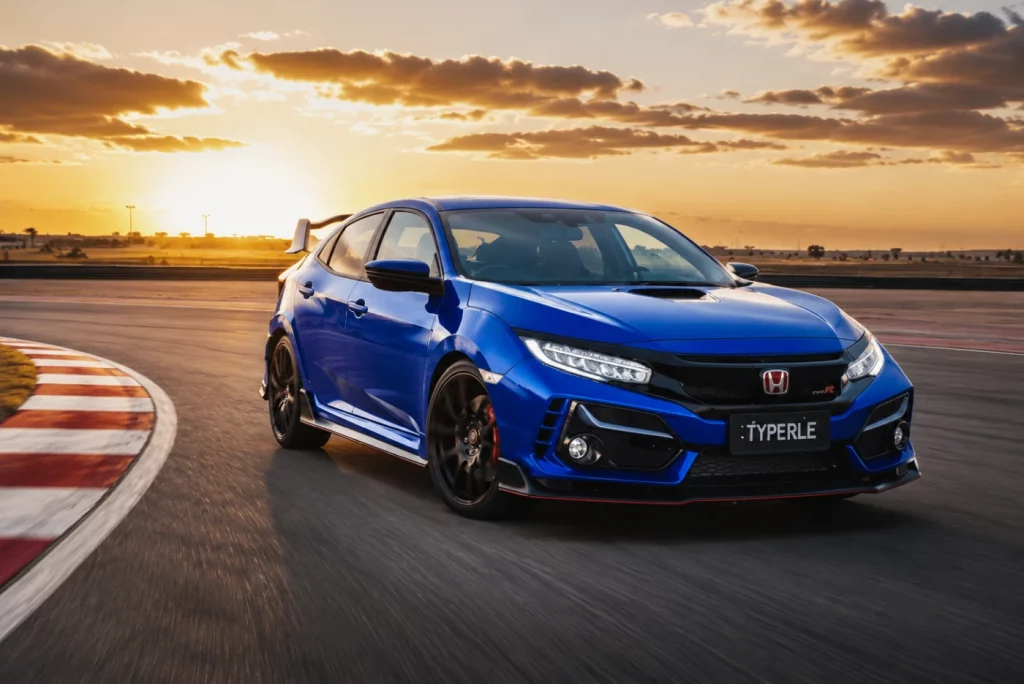
The low-pressure Denso Fuel Pump Recall is the larger of the two — approximately 2.6 million Honda and Acura vehicles affected across multiple expansion stages from 2020 through 2025. The HPFP recall is smaller but arguably more serious because it involves a visible fuel leak and fire risk.
The most important takeaway: A fuel pump failure on a Civic can be a normal age-related repair, but several Civic generations also have documented fuel-pump safety recalls. The 2016–2021 Civic has a low-pressure fuel pump motor recall (swelling impeller). The 2025 Civic has a separate high-pressure fuel pump recall (fuel leak). Check your VIN — do not assume your car is covered or not covered based on model year alone.
Quick Answer — What You Need to Know
Yes, Honda Civic has had multiple fuel-pump-related safety recalls. The most significant campaign covers the 2016–2021 Civic for the in-tank fuel pump motor. A separate campaign covers the 2025 Civic for the high-pressure fuel pump.
Key facts:
- Low-pressure in-tank pump: Denso impeller swelling defect — pump seizes, engine stalls, may not restart. Affects 2017–2020 Civic (and some 2016 models). Multiple recall expansions (20V-314, 21V-215, 23V-858, 24-008, 24-027).
- High-pressure fuel pump (HPFP): Internal cracks can cause fuel leaks. Affects 2025 Civic and Civic Hybrid (NHTSA 24V-763). Also affects 2016–2021 1.5T Civics with non-recall wear failures (P2623, P0087, P0088).
- 8th and 9th gen: No fuel pump recalls — pump failures are age-related wear, not a safety defect.
- 10th gen: Major recall campaign — check VIN immediately.
- 11th gen: 2025 HPFP recall — check VIN immediately.
- Recall repair is free if your VIN is affected and the recall is open.
Fuel Pump vs Fuel Pump Module vs High-Pressure Pump
Before diagnosing any fuel delivery problem, it helps to understand what each component does. This is the single most important concept for understanding Civic fuel system failures.
Fuel Pump Motor: The electric motor inside the tank-mounted assembly. This is the component that fails in the Denso recall — the motor seizes when the impeller swells.
Fuel Pump Module: The complete assembly that sits inside the fuel tank. It includes the pump motor, fuel level sender, fuel strainer (filter), pressure regulator, and housing. When Honda replaces the pump under the recall, they typically replace the entire module assembly, not just the motor.
High-Pressure Fuel Pump (HPFP): A separate mechanical pump mounted on the engine. It takes low-pressure fuel from the tank and compresses it to 1,500–3,000 psi for the direct injection system. This is the component affected by the 2025 Civic recall and the non-recall failures on older 1.5T engines.
The key distinction: A user searching for “Civic fuel pump failure” could have a problem with the in-tank pump, the HPFP, or neither. The diagnosis depends on the symptoms, the generation, and the engine.
Which Civic Generations Have Fuel Pump Recalls?
Fuel pump recalls are generation-specific. Here is the breakdown:
| Generation | Years | Fuel Pump Recall Status | Key Campaign |
|---|---|---|---|
| 8th Gen | 2006–2011 | ❌ No fuel pump recall | Age-related wear only |
| 9th Gen | 2012–2015 | ❌ No fuel pump recall | Age-related wear only |
| 10th Gen (early) | 2016 | ⚠️ Limited recall coverage (2-door models under 24-008) | Check VIN |
| 10th Gen | 2017–2020 | ✅ Major recall (23V-858, 21V-215, 20V-314) | Denso impeller swelling |
| 10th Gen | 2021 | ⚠️ Limited recall coverage (check VIN) | Some models included |
| 11th Gen | 2022–2024 | ❌ No low-pressure recall | — |
| 11th Gen | 2025 | ✅ HPFP recall (24V-763) | High-pressure pump fuel leak |
Important: These are general guidelines. Always check the specific VIN because recall coverage varies by body style, trim, and production date. A 2018 Civic sedan may be covered while a 2018 Civic coupe with a Japanese VIN (JHM) may not be. Si and Type R models have separate coverage under bulletin 24-027.
The Low-Pressure In-Tank Fuel Pump — Denso Impeller Swelling
The low-pressure fuel pump is an electric pump mounted inside the fuel tank. On the Civic, it is integrated into the fuel pump module assembly that also contains the fuel level sender and the fuel filter. The pump itself is manufactured by Denso and uses an impeller — a small plastic Rotor — to push fuel up to the engine.
The defect is in the impeller material. Denso produced these impellers between June 2017 and September 2019 using a material formulation that absorbs moisture from ethanol-blended gasoline over time. Ethanol is hygroscopic — it attracts and holds water. As the ethanol in the fuel exposes the impeller to moisture, the impeller swells. The swelling causes the impeller to contact the pump housing, increasing friction until the pump seizes and stops working.
When the pump seizes, the engine stalls immediately and will not restart. If the pump seizes AT highway speed, the loss of power steering assist and brake vacuum occurs almost instantly — the engine shuts off, and the driver has manual steering and one or two power brake assists before the vacuum reserve is exhausted. Honda’s defect report to NHTSA states: “the engine may not start, or the engine could stall while driving, increasing the risk of a crash.”
Honda has acknowledged no reported crashes or injuries related to this defect as of December 2023. However, the risk of a highway stall is real and has been documented by owners on CivicX and Reddit. Multiple owners have reported their 2018–2020 Civics stalling at highway speed with no warning, requiring a tow to the dealer.
Recall Timeline — The Denso Fuel Pump Recall Expansions
The Denso fuel pump recall was not a single event. It expanded in four stages as Honda identified additional vehicles equipped with the defective impeller.
Initial recall — NHTSA 20V-314 (May 2020): Covered approximately 136,000 vehicles: 2018–2019 Accord, 2018–2019 Civic Hatchback (except Type R), Civic Type R, HR-V, 2019 Fit, and 2019–2020 Insight. The cause was listed as swelling of the fuel pump motor impeller causing the pump to seize.
First expansion — NHTSA 21V-215 (March 2021): Expanded the recall to 2018–2020 model year Honda and Acura vehicles across a much wider range of models, including the Civic sedan, Civic coupe, Civic Si, Civic Type R, and Civic Hatchback. The expansion was driven by Denso’s disclosure that the defect population was larger than initially identified.
Second expansion — December 2023: Brought the total to approximately 2.6 million Honda and Acura vehicles in the United States, covering 2017–2020 model years. Honda issued a press release stating that fuel pumps would be replaced free of charge. This expansion included many 2017 Civics that were not covered by the earlier campaigns.
Fourth update — Service Bulletin 24-008 (Version 4, February 2025): Covers 2016, 2018–2020 Civic 2-Door models (excluding VINs starting with JHM, which indicates Japanese manufacturing). A separate bulletin (24-027, Version 2, March 2024) specifically covers the 2017–2020 Civic Si fuel pump motor.
Why the expansions matter: If you checked your VIN in 2021 and it was not covered, it may be covered now. Honda continued to expand the recall as Denso provided more information about which production batches contained the defective impeller material. Check your VIN again — even if you checked before.
What Causes the 10th Gen Fuel Pump Failure?
The mechanism is now well understood:
- Low-density impeller material is used in the fuel pump motor
- Impeller absorbs moisture from ethanol-blended gasoline over time
- Impeller swells and deforms
- Deformed impeller contacts the pump housing
- Friction increases
- Pump motor seizes
- Fuel pressure drops to zero
- Engine stalls
The swelling takes time. The impeller does not swell immediately — it is a gradual process that happens over months or years of exposure to ethanol-blended fuel. This is why some affected vehicles failed early, while others failed years later. The recall was issued because the failure was inevitable — not a question of if, but when.
Symptoms of a Failing Civic Fuel Pump
A failing fuel pump can present with several symptoms. However, a failing fuel pump does not always give a warning before it quits. Some owners report no symptoms at all before the engine stalls at highway speed.
Common symptoms:
- Hard starting / extended cranking: The engine takes 3–5 seconds of cranking before it starts. This indicates the pump is struggling to build pressure.
- Intermittent no-start: The engine cranks but does not start. The pump may work sometimes and fail others.
- Engine stalls while driving: The engine suddenly shuts off at speed. The pump has seized and stopped delivering fuel.
- Loss of power: The engine hesitates or loses power under acceleration. The pump cannot deliver enough fuel for demand.
- Poor acceleration: The car feels sluggish or bogs down when you press the throttle.
- Engine suddenly dies: The engine shuts off with no warning, often while idling or at low speed.
- Fuel-pressure-related DTC: The check engine light may come on with codes like P0087 (fuel rail pressure too low), P0088 (fuel rail pressure too high), or P0190 (fuel rail pressure sensor circuit).
- Pump becomes unusually noisy: A loud whining, buzzing, or grinding noise from the fuel tank area. A brief hum during key-on is normal; a loud whine is not.
Civic Starts Then Dies — What to Check
If your Civic starts normally, runs for a few seconds, and then stalls, do not immediately blame the fuel pump. Check:
- Fuel pressure: Test the pressure at the rail. If pressure drops immediately after the engine stalls, the pump may be failing.
- Fuel delivery: Is the pump running? Listen for the prime cycle when you turn the key to ON.
- Immobilizer: The immobilizer system may be cutting fuel. Look for a flashing green key light on the dashboard.
- Crank/cam signal: The engine needs crank and cam position signals to run. A failed sensor can cause stalling.
- Ignition: Check for spark. If there is no spark, the problem is not the fuel pump.
- Injector operation: Are the injectors firing? A problem with the injector circuit can cause stalling.
Civic Cranks But Won’t Start — Fuel Pump or Something Else?
This is one of the most common owner complaints. The engine cranks strongly but does not fire. Here is the diagnostic workflow:
- No fuel pressure: If the fuel pressure gauge reads zero at the rail, the pump is not delivering fuel. Check the pump, fuse, relay, wiring, and power supply.
- Correct fuel pressure: If pressure is within specification, the fuel pump is likely working. Investigate ignition, injectors, timing, or sensor side.
- Intermittent pressure: If pressure comes and goes, the pump module, wiring, or relay becomes more suspicious.
The key diagnostic step: Listen for the fuel pump prime when you turn the key to ON. If you hear a brief hum from the fuel tank area, the pump is being commanded. If you hear nothing, check the fuse, relay, and power supply before replacing the pump.
Long Crank Before Starting — What It Means
If your Civic takes 3–5 seconds of cranking before it fires, the fuel system is losing pressure when the engine is off. Possible causes:
- Weak pump: The pump is not building pressure quickly enough during the prime cycle.
- Fuel pressure bleed-down: The system is losing pressure through a leaking injector, bad check valve in the pump, or fuel pressure regulator.
- Injector leak: A leaking injector allows fuel to drip into the cylinder, reducing rail pressure.
- Check valve issue: The one-way valve in the pump module is not holding pressure.
- Low voltage: A weak battery may not provide enough power for the pump to prime properly.
- Sensor problem: A failing crank or cam sensor can cause extended cranking.
Do not assume long crank equals a bad pump. It could be a leaking injector, which is a separate problem covered in the Honda Civic 1.5T Injector Failure & Carbon Buildup Guide.
Fuel Pump Noise — What’s Normal and What’s Not
Every Civic fuel pump makes a brief hum when you turn the key to ON. This is the pump priming the system. The hum should last 1–2 seconds and should be quiet — barely audible inside the cabin.
Unusual fuel pump noises:
- Loud whining: The pump is working hard to deliver fuel. This can indicate a clogged filter, low voltage, or failing pump motor.
- Buzzing: The pump motor may be struggling to turn. The impeller may be swelling and contacting the housing.
- Changing pitch: The pump sounds different than it used to. This is often a sign of wear or impending failure.
- Intermittent operation: The pump runs sometimes and not others. This points to a wiring, relay, or motor problem.
- Pump suddenly gets louder before failure: Many owners report the pump became noticeably louder in the days or weeks before it failed completely.
However: Noise alone is not enough to condemn the pump. A pump can fail without making noise, and a pump can make noise and still deliver correct pressure. Test the fuel pressure before replacing any pump.
Fuel Pump Failure While Driving — The Safety Concern
This is the most serious symptom and the reason for the recall. If the pump seizes while driving:
- Fuel pressure drops to zero
- Engine loses power
- Engine stalls
- Loss of propulsion
- Power steering assist is lost
- Brake vacuum assist is lost after 1–2 applications
- Driver has manual steering and brakes
In the recall documentation, Honda states that “the engine could stall while driving, increasing the risk of a crash.” This is not a theoretical risk — it has happened to owners on highways, in traffic, and at intersections.
If your Civic stalls while driving and will not restart, the fuel pump is a primary suspect — especially if your VIN is within the recall population.
What Happens When a Civic Fuel Pump Dies?
The sequence of a fuel pump failure can vary:
- Intermittent hesitation: The engine may hesitate or surge under load as the pump struggles to maintain pressure.
- Fuel pressure drops: A fuel pressure gauge will show low pressure at the rail.
- Engine loses power: The car will not accelerate properly, especially uphill or under load.
- Engine may stall: The engine shuts off completely. This can happen at idle, at low speed, or at highway speed.
- Restart may fail: The engine will crank but not start. The pump is dead.
- Pump may operate intermittently before total failure: The pump may work sometimes and fail others. This is common with electrical problems and failing motors.
In some cases, the pump dies with no warning at all. The car runs fine, then stalls, and will not restart. This is the most dangerous failure mode.
Fuel Pump vs Fuel Filter — Don’t Confuse Them
On modern Civics, the fuel filter (strainer) is integrated into the fuel pump module assembly. There is no separate, serviceable fuel filter on most 10th and 11th gen Civics. If the filter is clogged, the entire module must be replaced or the pump assembly must be disassembled.
The key point: “Just replace the fuel filter” is not a separate repair on modern Civics. If you are experiencing fuel delivery problems, the pump module is the component that needs diagnosis and replacement. Do not expect to find a $20 filter that solves the problem.
Fuel Pump vs Fuel Injector — Two Different Problems
This is especially important because the 1.5T injector failure is a separate, documented problem covered in another guide. Do not replace the fuel pump for injector-related symptoms.
Fuel pump problems cause:
- No-start or hard start
- Stalling
- Loss of power under load
- Fuel pressure codes (P0087, P0088)
Injector problems cause:
- Misfire codes (P0300–P0304)
- Rough idle
- Lean or rich condition codes (P0171, P0172)
- Fuel smell in the engine oil
- Long crank (if leaking)
If the car misfires, idles rough, or has lean condition codes, the injectors are more likely the cause than the fuel pump. See the Honda Civic 1.5T Injector Failure & Carbon Buildup Guide for injector diagnosis.
Fuel Pump vs Low Fuel Pressure — Diagnostic Table
Here is a quick reference for symptom-to-cause diagnosis:
| Symptom | Possible Cause |
|---|---|
| No-start, no fuel pressure | Fuel pump, fuse, relay, wiring, control |
| Long crank, pressure drops after shutdown | Check valve (pump), injector leak, pressure regulator |
| Stall under load, low pressure | Fuel pump, clogged strainer, pressure regulator |
| Loud whining from pump | Pump wear, impeller swelling, clogged strainer |
| Random stall, then restart | Pump, wiring, relay, control module |
| Misfire with normal fuel pressure | Injector, ignition, compression, not fuel pump |
| Lean DTC with normal pressure | Injector, air leak, sensor, not fuel pump |
How to Test Civic Fuel Pressure — The Garage Workflow
This is the most reliable way to determine if the fuel pump is the problem. The procedure:
- Check the specification for your exact engine and year — R18, K20, K24, L15B7, and hybrid systems all have different pressure specifications.
- Connect a fuel pressure gauge to the test port on the fuel rail (if equipped) or inline on the fuel line.
- Key ON (engine off): Observe the pressure during the prime cycle. The pressure should build to specification and hold.
- Start the engine: Observe the pressure at idle. It should remain within specification.
- Rev the engine: Observe the pressure under load. It should increase with engine speed or remain stable (depending on the system).
- Check pressure retention: After shutdown, observe how long the pressure holds. Rapid pressure drop indicates a leak or check valve failure.
Do not give one universal pressure number for all Civics. The specification varies by generation, engine, and market. Check the Honda service manual for your specific vehicle.
Check Fuel Pump Power Before Replacing It
This is one of the most important diagnostic steps. Before condemning the pump, verify that it is receiving power:
- Fuse: Check the fuel pump fuse in the under-Hood fuse box. Replace if blown.
- Relay/control circuit: On some Civics, the fuel pump relay can fail. Check the relay operation and control signal.
- Battery voltage: A weak battery may not provide enough voltage for the pump to run properly.
- Ground: A poor ground connection can prevent the pump from operating. Check the ground at the pump module and the chassis ground points.
- Connector: Inspect the pump connector for corrosion, bent pins, or loose terminals.
- Wiring: Check for broken wires, rodent damage, or chafing in the harness between the fuse box and the pump.
- Pump command: Use a multimeter or oscilloscope to verify that the PCM is commanding the pump to run (if applicable to the generation).
If the pump has no power, replacing it will not fix the problem. The electrical issue must be repaired first.
Listen for the Pump — The Basic Test
This is the simplest garage test:
- Turn the ignition to ON (do not start the engine)
- Listen near the fuel tank (under the rear seat or behind the rear wheel)
- You should hear a brief hum — 1–2 seconds — as the pump primes the system
- If you hear nothing, the pump is not being commanded, or the pump is dead
Important: Hearing the pump does not prove it is producing correct pressure. The pump can run but deliver insufficient pressure due to wear, clogged strainer, or a failing motor. Hearing the pump is not a substitute for measuring fuel pressure.
Fuel Pump Fuse and Wiring — The Overlooked Problem
On older Civics (8th and 9th gen), wiring problems in the fuel pump circuit are common. The wires that run from the fuse box to the fuel tank can corrode, chafe, or break over time.
What to check:
- Fuse: Check the fuel pump fuse (often #21 in the under-hood fuse box). Replace if blown.
- Power feed: Check for voltage at the fuel pump connector with the key ON. If voltage is present but the pump does not run, the pump is bad.
- Ground: Check the ground at the fuel pump module. A poor ground can prevent the pump from running.
- Connector: Inspect the connector at the fuel tank for corrosion or damage.
- Harness: Check the Wiring Harness between the fuse box and the fuel tank for rodent damage, chafing, or broken wires.
For 8th and 9th gen Civics especially, wiring problems are as common as pump failures. Always check the wiring before replacing the pump.
Fuel Pump Relay — Check Before Replacing
If your Civic uses a separate fuel pump relay (some generations do), the relay can fail and prevent the pump from running. Symptoms of a bad relay are identical to a bad pump — the engine cranks but does not start, and the pump does not prime.
How to check:
- Locate the fuel pump relay in the under-hood fuse box
- Swap the relay with an identical relay (e.g., horn relay) to test
- If the pump primes with the swapped relay, the original relay is bad
- Replace the relay — $10–20 part, 5-minute job
Do not assume the pump is bad because the relay is bad. Check the relay before replacing the pump.
8th Gen Civic Fuel Pump Problems (2006–2011)
The 8th generation Civic does not have a fuel pump recall. Fuel pump failures on this generation are age-related wear, not a safety defect. However, with cars now 15–20 years old, fuel pump failures are becoming more common.
Common symptoms:
- Hard starting / extended crank
- Intermittent no-start
- Loss of power under load
- Fuel pump noise (whining, buzzing)
- Stalling
Diagnosis:
- Check the fuel pressure at the rail (R18 specification is lower than the 1.5T — check the manual)
- Listen for the pump prime
- Check the fuse, relay, and wiring
- Check the pump connector for corrosion
- If power and ground are present and the pump does not run, replace the pump
Repair cost: A fuel pump module for an 8th gen Civic costs $150–300 aftermarket, $300–500 OEM. Labor is 1–2 hours because the rear seat must be removed to access the pump. Total cost: $300–700 at an independent shop.
9th Gen Civic Fuel Pump Problems (2012–2015)
The 9th generation Civic does not have a fuel pump recall. As with the 8th gen, pump failures are age-related. These cars are now 10–13 years old, and fuel pump failures are becoming more common.
Common symptoms:
- Hard starting / extended crank
- Intermittent no-start
- Loss of power under load
- Fuel pump noise (whining, buzzing)
- Stalling
- Fuel level sender issues (pump module includes the sender)
Diagnosis: Same as the 8th gen — test fuel pressure, check power and ground, inspect the connector and wiring. The pump is accessed through the rear seat (under the cushion).
Repair cost: Similar to the 8th gen — $300–700 total at an independent shop.
10th Gen Civic Fuel Pump Problems (2016–2021)
This is the generation with the major fuel pump recall. The Denso impeller defect affects a large percentage of 2017–2020 Civics, and some 2016 and 2021 models.
2016 models: Limited recall coverage under bulletin 24-008. Check VIN — not all 2016 Civics are covered.
2017 models: Major recall coverage under 23V-858 and earlier campaigns. Check VIN.
2018–2020 models: Major recall coverage across all body styles and trims. Check VIN.
2021 models: Limited recall coverage. Check VIN.
Si and Type R: These models have separate coverage under bulletin 24-027 (2017–2020 Si). Check VIN.
The recall covers the fuel pump motor (impeller swelling). The replacement is free at a Honda dealer if your VIN is affected.
If your VIN is not covered by the recall and you have fuel pump symptoms: The repair is out-of-pocket. Cost: $1,069–$1,333 at a dealer, $600–900 at an independent shop.
11th Gen Civic Fuel Pump Problems (2022+)
The 11th generation Civic does not have a low-pressure fuel pump recall. However, the 2025 Civic has a separate high-pressure fuel pump recall (24V-763) for fuel leaks.
2022–2024 Civics: No fuel pump recall. Fuel pump failures are rare on these new cars. If a pump fails, it is under the standard factory warranty (3 years / 36,000 miles).
2025 Civics: Check VIN for HPFP recall (24V-763). The recall covers the high-pressure fuel pump, not the in-tank pump. Symptoms: fuel smell while idling or driving, visible fuel drips.
2025 Civic High-Pressure Fuel Pump Recall — NHTSA 24V-763
This is a separate recall from the Denso low-pressure pump recall. It affects 2025 Civic and Civic Hybrid models with the non-hybrid 2.0L engine (LX and Sport trims).
The problem: The high-pressure fuel pump may have been manufactured with internal cracks. Over time, these cracks can allow fuel to leak. A fuel leak in the engine bay creates a fire risk.
Honda’s remedy: The dealer inspects the HPFP for cracks. If cracks are found, the pump is replaced free of charge. The recall documentation specifies different handling for vehicles below 700 miles versus vehicles at or above 700 miles — if the vehicle has low mileage, Honda may have different inspection and replacement procedures.
Symptoms:
- Fuel smell while idling or driving
- Visible fuel drips under the vehicle (near the engine bay)
- Check engine light may or may not be on
Do not confuse this recall with the low-pressure Denso pump recall. They are different components, different defects, and different affected vehicles. The 2025 Civic HPFP recall is a fuel leak / fire risk recall, not a stall / no-start recall.
2018–2019 Civic Hatchback Recall — Historical Campaign 20-040
This is the earlier fuel pump recall that covered 2018–2019 Civic Hatchback models (all trims except Type R). It was the same Denso impeller defect — swelling impeller causing the pump to seize.
Honda later expanded the recall to cover more models under the broader 23V-858 campaign. If you have a 2018–2019 Hatchback and the recall was performed, the pump was replaced with a corrected impeller. Check your VIN to confirm whether the recall was performed.
Recall 20-040 vs Recall 24-008 — What’s the Difference?
Honda revised and expanded the fuel pump recall program over time. The earlier recall (20-040) covered a smaller population. The later recall (24-008) supersedes earlier versions and covers a larger population.
The important point for owners: If your VIN was not covered by the original recall (20V-314 or 21V-215), it may be covered by the expanded recall (23V-858 or 24-008). Check your VIN again — even if you checked before.
Does My Civic Have a Fuel Pump Recall?
The only way to know for certain is to check the VIN. Use the NHTSA recall lookup tool at nhtsa.gov/recalls or Honda’s recall site at recalls.honda.com.
What the VIN lookup shows:
- Unrepaired safety recalls for your specific vehicle
- Campaign numbers and descriptions
- Remedy information
What the VIN lookup does NOT show:
- Recalls that have already been performed (the tool only shows open recalls)
- Recalls older than 15 years (in some cases)
- TSBs (Technical Service Bulletins) — these are not recalls
Do not rely on model year alone. A 2018 Civic may or may not be covered depending on body style, trim, and production date. Only the VIN provides the definitive answer.
Why Year/Model Search Isn’t Enough
Honda’s recall documentation repeatedly instructs dealers to verify eligibility by VIN. The recall coverage varies by:
- Body style (sedan, coupe, hatchback)
- Trim (LX, Sport, EX, Touring, Si, Type R)
- Engine (1.5T, 2.0L, hybrid)
- Production date
- VIN prefix (JHM vs non-JHM for 2-door models under 24-008)
Example: A 2018 Civic sedan may be covered, while a 2018 Civic coupe with a JHM VIN may not be. A 2019 Civic Si may be covered under bulletin 24-027, while a 2019 Civic LX may be covered under 24-008. Only the VIN confirms coverage.
Does a Fuel Pump Recall Cost Money?
If your vehicle has an open safety recall, the recall remedy is performed free of charge at an authorized Honda dealer. NHTSA states that open safety recalls must be remedied free of charge.
However: A recall does not cover every fuel pump failure. If your Civic has a fuel pump problem that is not related to the recall (e.g., a normal wear failure on an 8th gen Civic, or a pump failure on a 10th gen Civic with a VIN not covered by the recall), it is a paid repair. The recall only covers the specific defect described in the campaign.
Can I Drive With a Suspected Fuel Pump Problem?
If the car stalls, loses power, has intermittent no-start, or has a strong fuel smell, do not continue driving as normal.
- Stalling while driving: This is a safety risk. Have the car towed to a shop or dealer.
- Fuel smell / fuel leak (HPFP recall): This is a fire risk. Stop driving immediately and have the car inspected.
- Intermittent no-start: The car may leave you stranded. Have it diagnosed before a long trip.
- Long crank but starts: The car is driveable, but the problem will likely worsen. Have it diagnosed soon.
For the recall-related pump defect, Honda itself states that the engine could stall while driving, increasing the risk of a crash. Do not ignore a suspected fuel pump problem.
Used Civic Buyer Inspection — Fuel Pump Checklist
Before buying any Civic, run through this checklist:
- Start the engine cold — does it fire immediately or crank for 3+ seconds?
- Listen for the fuel pump prime — turn the key to ON and listen near the rear seat for a brief hum
- Check for long crank — does the engine take longer to start than it should?
- Test acceleration — does the car hesitate or bog down under hard throttle?
- Check for hesitation — does the engine stumble during acceleration?
- Scan DTCs — use an OBD-II scanner to check for fuel pressure codes (P0087, P0088, P0190) and injector codes
- Check the VIN for open recalls — use nhtsa.gov/recalls or recalls.honda.com
- Check recall repair history — ask the seller if the fuel pump recall was performed
- Inspect for fuel smell/leaks — smell around the rear of the car and under the hood
- Ask the seller: Has the car had any fuel pump problems? Has the fuel pump been replaced?
For 2016–2021 Civics: VIN recall check is mandatory before buying. The fuel pump recall affects a large percentage of these cars. If the recall is open, the pump can be replaced for free at a dealer after purchase.
Common Diagnostic Mistakes — Fuel Pump
- ❌ Replacing the pump without measuring fuel pressure — you may be replacing a good pump for a different problem
- ❌ Ignoring power/ground — the pump may be good, but it has no power to run
- ❌ Assuming a P-code proves pump failure — P0087 can be caused by a clogged filter, leaking injector, or sensor problem
- ❌ Confusing injector problems with fuel-pump problems — they have different symptoms and different DTCs
- ❌ Ignoring low battery voltage — a weak battery can cause the pump to run slowly or not at all
- ❌ Buying a used pump before checking the VIN — the recall replacement is free if your VIN is covered
- ❌ Assuming every Civic has the same pump — different engines, generations, and markets use different pumps
- ❌ Assuming a recall applies to every car of the same year — recall coverage varies by VIN, body style, and trim
OEM vs Aftermarket Fuel Pump
When replacing a fuel pump outside of the recall program, you have options:
OEM (Original Equipment Manufacturer): Best choice for recall replacement (free), long-term repair, and exact fit. OEM pumps from Honda are expensive ($400–700) but are the only way to guarantee correct fit and performance.
Aftermarket: Cheaper than OEM ($150–300), but quality varies. Brands like Denso (the original manufacturer), AEM, and Walbro are reputable. Generic no-name pumps should be avoided. Aftermarket pumps may have different flow rates, pressure specifications, or electrical characteristics.
Used: Usually a poor choice for a fuel pump. The used pump may have unknown mileage and may fail soon after installation. For recalled vehicles, a used pump may contain the same defective Denso impeller.
Recommendation: If your car is covered by the recall, get the free OEM replacement at the dealer. If your car is not covered and you need a replacement, buy a quality aftermarket pump from a reputable brand or an OEM pump.
Fuel Pump Replacement — General Overview
Replacing a fuel pump on a Civic is a moderate DIY job. The procedure varies by generation, but the general steps are:
- Depressurize the fuel system: Remove the fuel pump fuse, run the engine until it stalls, or use the service port to release pressure.
- Disconnect the battery (negative terminal).
- Access the fuel pump: On most Civics, the pump is accessed through the rear seat (remove the cushion, remove the access cover).
- Remove the electrical connector from the pump module.
- Disconnect the fuel lines (use care — residual fuel may be present).
- Remove the locking ring / retainer (requires a special tool on some models — a fuel pump lock ring tool is $15–20 on Amazon).
- Lift the pump module out of the tank.
- Replace the assembly/motor — if replacing the entire module, transfer the old seal to the new unit.
- Install the new module in reverse order.
- Replace the O-ring seal on the tank opening.
- Reconnect the fuel lines and electrical connector.
- Prime the system — turn the key to ON several times to build pressure.
- Check for leaks at the connections.
- Verify fuel pressure with a gauge.
- Test drive to confirm proper operation.
Safety warning: Fuel vapors are explosive. Work in a well-ventilated area. No smoking, no open flames. Disconnect the battery. Have a fire extinguisher nearby.
Recall vs TSB vs Complaint — What’s the Difference?
This is an important distinction for any owner researching fuel pump problems:
Recall: A safety defect that Honda must fix for free. This is what the Denso fuel pump campaign is — a safety recall. If your VIN is affected, the repair is free.
TSB (Technical Service Bulletin): A manufacturer document that provides repair information to dealers. A TSB does not guarantee free repair. It tells technicians how to diagnose and fix a known issue.
Owner complaint: A reported symptom from an owner. A complaint is evidence of a problem, not proof of a recall. Many fuel pump problems are owner complaints, not recall defects.
Recall campaign: An official campaign with specific eligibility criteria (VIN, model year, body style, trim). Only vehicles that meet the criteria are covered.
Do not assume a TSB means free repair. Only a safety recall guarantees free repair. Always check the VIN for open recalls before assuming coverage.
Final Verdict
The Bottom Line
Fuel-pump failure on a Civic can be a normal age-related repair, but several Civic generations also have documented fuel-pump safety recalls. The key distinction: the 2016–2021 Civic has a low-pressure fuel pump motor recall (swelling impeller). The 2025 Civic has a separate high-pressure fuel pump recall (fuel leak). The 8th and 9th gen Civics have no pump recalls — failures are age-related wear.
For owners: Check your VIN on the NHTSA recall lookup tool. If your car is covered, the repair is free. If your car is not covered and you have fuel pump symptoms, diagnose the pump, relay, and wiring before replacing parts. Test fuel pressure — do not guess.
For used buyers: VIN recall check is mandatory for 2016–2021 Civics. If the recall is open, the pump can be replaced for free after purchase. If the recall has been performed, the pump has a corrected impeller.
The rule to remember: A fuel pump failure can be a recall defect or normal wear. Check the VIN first. If the car is covered, the repair is free. If not, diagnose before replacing — test fuel pressure, check power and ground, inspect the connector and wiring. Do not throw parts at the problem.
Sources: NHTSA Recall 20V-314 (May 2020), NHTSA Recall 21V-215 (March 2021), NHTSA Recall 23V-858 (December 2023), NHTSA Recall 24V-763 (October 2024), Honda Service Bulletin 20-040, Honda Service Bulletin 24-008 (Version 4, February 2025), Honda Service Bulletin 24-027 (March 2024), Denso Defect Information Report 20E-026, Honda Civic FC/FK Service Manual (L15B7/L15BA/L15BY fuel system), HondaPartsNow OEM pricing, RepairPal and Kelley Blue Book fuel pump replacement cost data, CivicX.com owner fuel pump failure threads.