

2012 – 2015
United States
Sedan / Coupe
R18Z1 · K24Z7
2014–2015 LX / EX
Civic Si
CVT issues · VTC actuator · A/C · Starter
Reliability & Buying Roadmap
Reliability & Buying Roadmap
Reliability & Buying Roadmap

Quick Navigation: Jump to Any Section
Owner Experience
Who Should Buy?
Who Should Skip
History & Generations
Engines
Transmissions
Trim Levels
Specifications
Dimensions & Part Sizes
Maintenance Schedule
Ownership Roadmap
Common Problems
Recalls
Buying Guide
Quick Recommendations
Decision Matrix
Ownership Costs
Competitors
Global Variants
FAQ
Reliability
★★★☆☆ – ★★★★★
Avoid 2012 · Best 2014–2015
Fuel Economy
★★★★★
30/39 MPG · Hybrid: 44 MPG
Performance
Si: ★★★★☆
205 hp · 6MT · LSD
Maintenance
★★★★★
Cheap parts · Easy DIY
Running Costs
★★★★☆
CVT needs regular fluid changes
Insurance
★★★★☆
$1,200–$1,600/yr · Si +15–20%
✅ Best Model Year
2014–2015
❌ Avoid
Early 2012
🏆 Best Value
2013 LX / 2014 EX
Which 9th Gen Civic Is Right for You?
Answer 4 quick questions and get a personalized recommendation in seconds.
1. What’s your budget?
2. Transmission preference?
3. Fuel economy priority?
4. Reliability vs. fun?
Overview & Market Context
The 9th-generation Honda Civic (2012–2015) represents a pivotal moment in the model’s history. Launched as a response to criticism that the 8th generation had become too expensive and complex, Honda’s goal was to create a more refined, fuel-efficient, and driver-focused compact car.
Production: 2012–2015 model years (North America)
Body Styles: Sedan (FB1–6), Coupe (FG3–4)
Assembly Plants: Honda Manufacturing of Indiana (Greensburg, IN) for sedans; Honda of Canada Mfg. (Alliston, ON) for coupes and Si models
The 9th-gen Civic arrived at a time when the compact sedan segment was more competitive than ever. Rivals like the Toyota Corolla, Mazda3, Ford Focus, and Hyundai Elantra were all vying for supremacy. Honda’s approach was to refine rather than revolutionize — a strategy that initially backfired.
Market Reception: Consumer Reports famously gave the 2012 Civic a “below average” rating — a rare and devastating blow to Honda’s reputation. Critics pointed to cheap interior materials, excessive road noise, and a suspension that felt less sophisticated than the outgoing model. Honda responded with an unprecedented mid-cycle refresh in 2014, addressing nearly every complaint and restoring the Civic’s standing in the segment.
Why It Matters in 2026: The 9th-gen Civic is now a 10- to 14-year-old used car that offers exceptional value. A clean 2014–2015 EX with under 100,000 miles can still be found for $10,000–$14,000 — a fraction of what a comparable new compact sedan costs. The 1.8L R18Z1 engine is proven and durable, parts are inexpensive and widely available, and the car’s relatively simple electronics mean fewer expensive repairs as it ages.
However, early CVT-equipped models (particularly 2012–2013) have well-documented issues that can turn a budget-friendly purchase into a costly headache. Understanding which years to target and which to avoid is the key to a successful purchase.
Owner Experience — What It’s Like to Own a 9th Gen Civic
Who Should Buy This Generation?
Perfect For
- Daily commuters looking for fuel efficiency
- Students and first-time buyers on a budget
- DIY mechanics who want easy-to-work-on cars
- Enthusiasts looking for an affordable Si
- Families needing a reliable second car
- Anyone wanting Honda reliability without the premium price
Not Ideal For
- People needing AWD (not available)
- Families needing maximum cargo space
- Buyers seeking modern ADAS (adaptive cruise, lane keep)
- People who want a plug-in hybrid or EV
- Anyone unwilling to check for CVT service history (2013–2015)
- Those wanting a luxury interior with premium materials
Who Should Skip the 9th Gen Civic?
- People needing AWD — not available on any Civic
- Buyers prioritizing modern ADAS — no adaptive cruise, lane-keep, or auto emergency braking
- Drivers wanting the strongest factory acceleration — 0-60 is 6.3 sec (Si) or 9.0 sec (base)
- People who want a hatchback or wagon — not available in the US
- Tech enthusiasts — no Apple CarPlay or Android Auto (without aftermarket upgrades)
- Anyone unwilling to check CVT service history — CVT repairs are expensive
History & Generations
Development and Launch
The 9th-generation Civic was unveiled at the North American International Auto Show in Detroit in January 2011 and went on sale in April 2011 as a 2012 model. Honda’s development team set out to create a car that was smaller, lighter, and more fuel-efficient than the 8th generation, while also being more affordable to produce.
Key Changes from the 8th Gen:
- Smaller footprint: The sedan’s Wheelbase was reduced by 1.2 inches (from 106.3 to 105.1 inches), and overall length decreased by 2.3 inches.
- Lighter weight: Curb weight dropped by approximately 50–80 lbs depending on trim, improving fuel economy and handling.
- Improved aerodynamics: The drag coefficient (Cd) was reduced by 3.4% to 0.29, contributing to better highway fuel economy.
- More torque: The 1.8L R18Z1 engine produced the same 140 hp as the R18A1 but delivered its torque lower in the rev range for better drivability.
Design Philosophy: Honda called the 9th-gen Civic’s design “one-motion” — a single, flowing line from the front grille to the rear taillights. The car sat lower and wider than its predecessor, giving it a more planted, athletic stance. The interior featured a redesigned two-tier instrument panel with a 5-inch i-MID (Intelligent Multi-Information Display) color LCD screen on all trims except the base DX.
Why the 9th Gen Was Controversial
- Consumer Reports criticism: The 2012 Civic received a “below average” rating — the first time a Civic had ever been rated so poorly. The magazine cited cheap interior plastics, excessive road noise, and unimpressive handling.
- Rushed redesign: Honda admitted the redesign was rushed to reduce costs and improve fuel economy, resulting in a car that felt less premium than its predecessor.
- Major refresh after only two model years: Honda responded with an unprecedented mid-cycle refresh in 2014 — typically, refreshes happen after three or four years. This was a clear acknowledgment that the 2012–2013 models missed the mark.
- 2014 facelift addressed many complaints: The refresh brought better interior materials, improved ride quality, a more refined suspension, and upgraded infotainment.
Model Year Timeline — 9th Gen Civic Evolution
Launch — Sedan · Coupe · Si (201 HP) · Hybrid
CVT introduced (EX/EX-L) · Interior quality improved
Facelift — Si 205 hp · Better interior · CVT refined
Final year — Most refined · All issues addressed
❌ Avoid: 2012 ·
⚠️ Good: 2013 ·
✅ Best: 2014–2015
Year-by-Year Changes — At a Glance
| Year | Major Changes | Recommendation |
|---|---|---|
| 2012 | First model year · Criticized interior · 5AT only · No CVT on non-hybrid | Avoid — cheapest but riskiest |
| 2013 | CVT introduced (EX/EX-L) · Improved reliability · Interior quality slightly better | Good — if CVT fluid was changed |
| 2014 | Facelift · Better interior · Si 205 hp · CVT refined · 7″ touchscreen available | Excellent — best value |
| 2015 | Final year · Most refined · All issues addressed · Production ends | Best choice — most reliable |
Pro tip: The 2014 facelift is the single most important event in the 9th-gen lifecycle. Honda responded to criticism with significant improvements — don’t overlook this when shopping.
US Market Timeline: Year-by-Year Changes
2012 Model Year (First Year)
- All-new 9th generation launches in sedan and coupe body styles
- Engines: 1.8L R18Z1 (140 hp) in LX, EX, EX-L; 2.4L K24Z7 (201 hp) in Si
- Transmissions: 5-speed manual (base), 5-speed automatic (most non-Si models), 6-speed manual (Si)
- HF model introduced with 41 MPG highway rating (aerodynamic aids, low-rolling-resistance tires)
- Hybrid with 1.5L gasoline engine + lithium-ion battery (44 MPG combined)
- Natural Gas (GX) variant available (fleet-focused)
- Consumer Reports criticism: Poor interior quality, cheap materials, disappointing handling, excessive road noise
- CVT not available on non-hybrid US models in 2012 — only 5AT
2013 Model Year
- Minor updates; Si output remains 201 hp
- Improved reliability over 2012 — early production issues addressed
- CVT introduced on non-hybrid US models for 2013 (EX and EX-L trims)
- Interior quality slightly improved
2014 Model Year (Facelift / Refresh)
- Mid-cycle refresh — revised front grille, bumpers, and headlights for a more premium look
- Si power bump: 201 hp → 205 hp (exhaust system retuned, revised ECU calibration)
- Improved interior materials — better plastics, softer touch points on dash and door panels
- Improved infotainment: 7-inch touchscreen available (EX-L with Navigation package)
- CVT now standard on EX and EX-L — 5AT discontinued for these trims
- Improved suspension tuning — revised dampers and springs for better ride quality
- Additional sound deadening material added to reduce road noise
2015 Model Year (Final Year)
- Final production year before the 10th generation
- Most refined 9th gen — all major issues addressed, CVT reliability improved
- Minor interior trim updates
- Production ended in late 2015
Production in North America
- Honda Manufacturing of Indiana (Greensburg, IN): Civic Sedan (all trims)
- Honda of Canada Mfg. (Alliston, ON): Civic Coupe, Civic Si (both coupe and sedan)
- VIN Prefix: 1HG (USA-built), 2HG (Canada-built)
- Plant Note: Quality improved after initial 2012 issues; 2014–2015 models have better fit and finish
- Production volume: Over 1.4 million 9th-gen Civics sold in North America
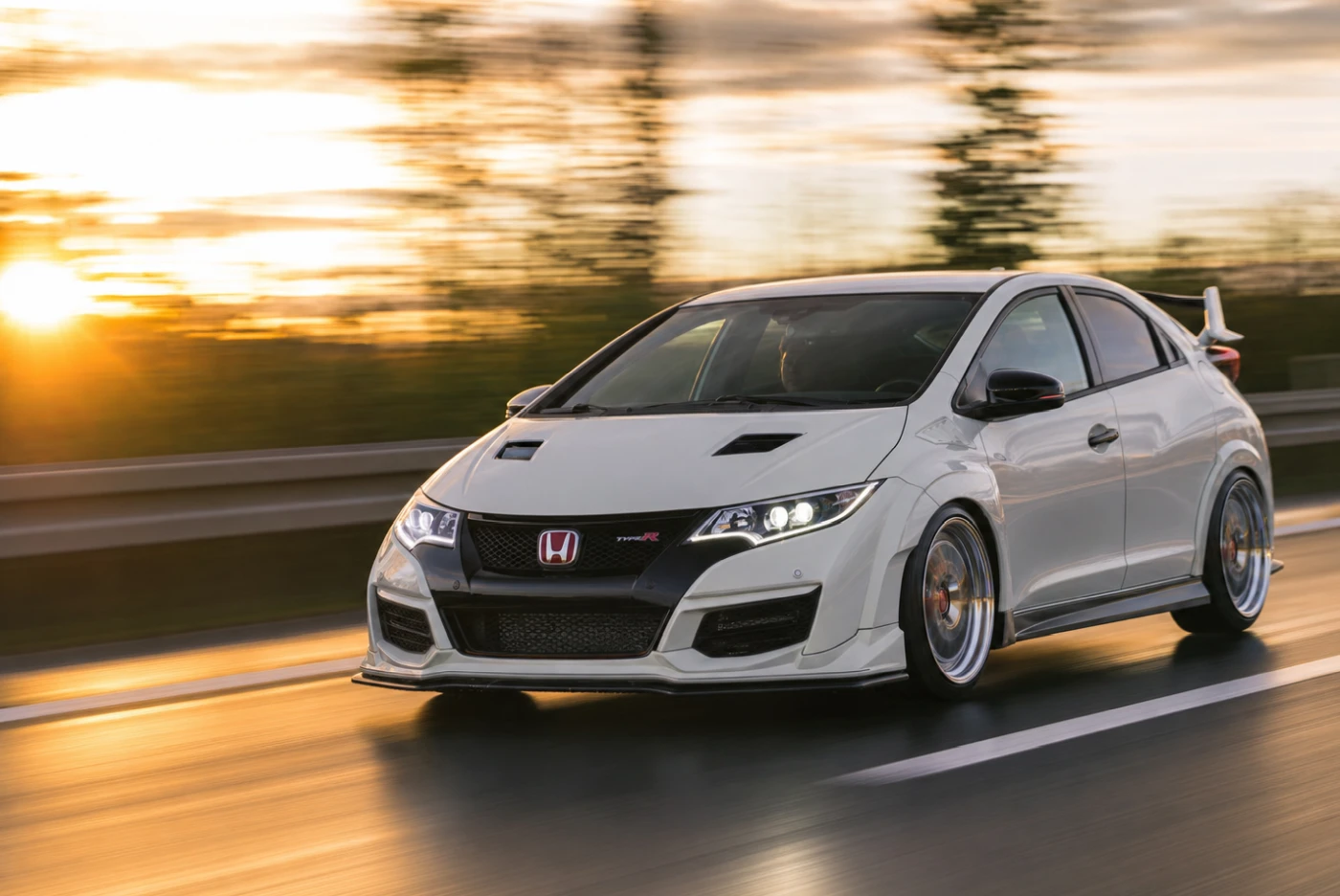
Engines (R18Z1 / K24Z7 / LEA2 Hybrid)
Engine Family Tree
R18Z1 — 1.8L SOHC i-VTEC (140 hp, 128 lb-ft)
The R18Z1 is the base engine for all non-Si, non-Hybrid Civics in the US market — LX, EX, and EX-L trims. It is an evolution of the R18A1 from the 8th generation, with revised tuning, lower internal friction, and molybdenum-coated pistons for improved efficiency.
Key Specifications:
- Displacement: 1,799 cc (1.8L)
- Configuration: Inline-4, SOHC, 16-valve, i-VTEC
- Horsepower: 140 hp @ 6,500 rpm
- Torque: 128 lb-ft @ 4,300 rpm
- Compression Ratio: 10.6:1
- Timing System: Chain (no replacement interval — designed for life of engine)
- Oil Capacity: 3.9 quarts (3.7L) with filter
- Recommended Oil: 0W-20, API-certified
- EPA Fuel Economy: 30 MPG city / 39 MPG highway (5AT and CVT)
- Emissions: ULEV-2 certified
Overview and History:
The R18Z1 is a direct descendant of the R18A1 that powered the 8th-generation Civic. Honda’s engineers focused on reducing internal friction — using molybdenum-coated pistons and lower-tension Piston rings — to improve fuel economy without sacrificing power. The result is an engine that is exceptionally smooth, quiet, and durable.
Unlike many competitors that use timing belts requiring replacement every 60,000–100,000 miles, the R18Z1 uses a timing chain designed to last the life of the engine. This is a significant cost-saving advantage for long-term owners.
Reliability and Lifespan:
With proper maintenance, the R18Z1 is capable of 200,000+ miles without major internal work. The engine is generally robust, with the cylinder block, Crankshaft, and connecting rods proving durable even under heavy use. However, there are two well-documented weak points:
1. Oil Consumption:
Many R18Z1 engines consume oil, particularly as they age. Honda considers consumption of up to 1 quart per 1,000 miles to be within specification. This is caused by piston ring design and is more prevalent on higher-mileage examples. Regular oil level checks are mandatory.
2. VTEC Actuator Noise:
Some R18Z1 engines develop a rattling noise on cold startup, similar to the VTC actuator issue on the K-Series engines. This is less common than on the K24Z7 but can occur.
Modification Potential:
While the R18Z1 isn’t a performance engine, it responds well to modifications. With a Turbocharger, the R18Z1 can safely handle up to 250–300 horsepower with proper tuning and fuel system upgrades. Bolt-on modifications (intake, header, exhaust) typically add 10–15 hp without sacrificing reliability.
R18Z1 — Real-World Reliability & Maintenance
The R18Z1 is a proven, durable engine, but it has specific maintenance requirements that owners often overlook. Here’s what you need to know:
1. Valve Adjustment (Every 40,000–50,000 Miles)
The R18Z1 does not have hydraulic lifters (hydraulic lash adjusters). The valves must be manually adjusted using the “screw-and-locknut” method on the rocker arms. This is a critical maintenance item that is often neglected.
- Symptoms of tight valves: Rough idle, poor cold starts, reduced power, engine noise on acceleration.
- Symptoms of loose valves: Ticking or tapping noise from the valve train, especially when cold.
- Consequences of neglect: If valves are too tight, they can burn or even break, requiring cylinder head removal and valve replacement. If valves are too loose, the valve train will wear prematurely.
- Cost: $200–$300 (independent) · $350–$450 (dealer).
2. Oil Consumption (Higher Mileage)
Many R18Z1 engines consume oil as they age, particularly after 100,000 miles. Honda considers consumption of up to 1 quart per 1,000 miles to be within specification.
- Why it happens: The piston rings are designed for low friction, which improves fuel economy but allows more oil to pass into the combustion chamber over time.
- What to do: Check your oil level every other fuel fill-up and keep a quart of 5W-20 oil in the trunk.
- If it gets worse: Switching to a slightly thicker oil (5W-30) in warmer climates can reduce consumption, but this should only be done after consulting a mechanic.
3. Lower Engine Mount (Hydraulic Mount) — 70,000–100,000 Miles
The lower (rear) hydraulic Engine Mount on the R18Z1 wears out prematurely — often by 70,000–80,000 miles.
- Symptoms: Excessive vibration at idle, especially in Drive with the A/C on. Vibration felt through the steering wheel, seat, and floor.
- Why it happens: The hydraulic mount contains fluid that dampens vibrations. Over time, the rubber diaphragm cracks, fluid leaks out, and the mount becomes solid rubber — transferring engine vibrations directly to the chassis.
- Cost: OEM mount ~$180–$250 · Independent shop labor ~$200–$300 · Total: $400–$550.
- Aftermarket options: Some owners report success with Anchor or Beck/Arnley mounts, but quality varies. OEM is recommended for best vibration damping.
Pro tip: If you’re replacing one hydraulic mount, consider replacing all engine mounts at the same time. The cost of parts is ~$500 for all four, but labor is significantly less when done together. This restores the car to “new” idle quality.
4. Spark Plugs — 100,000 Miles
The R18Z1 uses NGK IZFR6K11 iridium spark plugs, which are rated for 100,000 miles. Always check the gap (0.043 inches) before installation. Failure to replace them on time can cause:
- Hard starting
- Reduced fuel economy
- Misfires (P0301–P0304 codes)
- Catalytic Converter damage (if misfires persist)
K24Z7 — 2.4L DOHC i-VTEC (201–205 hp, 170–174 lb-ft)
The K24Z7 is the heart of the Civic Si. It replaced the K20Z3 from the 8th-generation Si, offering more displacement, more torque, and a flatter power curve. Available in the Si coupe and sedan from 2012 through 2015, this engine transforms the Civic from a practical commuter into a genuine Sport Compact.
Key Specifications:
- Engine Code: K24Z7
- Displacement: 1,998 cc (2.0L)
- Configuration: Inline-4, DOHC, 16-valve, i-VTEC
- Horsepower: 201 hp @ 7,000 rpm (2012–2013), 205 hp @ 7,000 rpm (2014–2015)
- Torque: 170 lb-ft @ 4,400 rpm (2012–2013), 174 lb-ft @ 4,400 rpm (2014–2015)
- Redline: 7,000 rpm (fuel cut at 7,200 rpm)
- Compression Ratio: 11.0:1
- Timing System: Chain (K-series chain, durable and reliable)
- Oil Capacity: 4.5 quarts with filter
- Recommended Oil: 5W-30, API-certified
- Transmission: 6-speed manual with helical limited-slip differential (LSD)
- EPA Fuel Economy: 22 MPG city / 31 MPG highway
K24Z7 — Real-World Reliability & Si Ownership Insights
The K24Z7 is a strong engine, but it has specific quirks that Si buyers need to understand. Here’s what you’re getting into:
1. VTC Actuator Rattle — The “Signature” Issue
The VTC actuator rattle is the most common complaint on K24Z7 engines. A loud rattling/grinding noise lasting 1–2 seconds on cold start indicates a failing VTC actuator. The issue affects virtually all high-mileage K24Z7 engines to some degree.
- Why it happens: The actuator relies on oil pressure to engage the Camshaft phaser. After the car sits overnight, oil drains to the pan. Worn internal components allow the camshaft to “slop” back and forth before oil pressure builds.
- Is it serious? Yes — if left unaddressed, the rattling can cause Timing Chain Stretch, damage to timing chain guides, and in severe cases, engine timing jump (catastrophic engine failure).
- Cost: Part ~$250–$350 · Labor ~$400–$600 · Total: $650–$950.
- Prevention: Regular oil changes with high-quality 5W-30 oil, use OEM Honda oil filters (with anti-drainback valve), and if the rattle becomes consistent, replace the VTC actuator immediately.
2. Oil Consumption (Higher Mileage — 100,000+ miles)
The K24Z7 is known for oil consumption, especially when driven hard in the VTEC range (above 5,000 RPM).
- Typical consumption: Up to 1 quart per 3,000–4,000 miles under spirited driving. Some owners report 1 quart per 1,000 miles on high-mileage engines.
- Why it happens: The piston rings are designed for low friction, which improves fuel economy but allows more oil to pass into the combustion chamber over time. VTEC engagement also increases oil consumption.
- What to do: Check your oil level every 1,000 miles and keep a quart of 5W-30 oil in the trunk. Never run the engine low on oil — the K24Z7’s VTC actuator and Timing Chain tensioner rely on oil pressure.
- If it gets worse: A piston ring replacement is a major repair ($1,500–$3,000). In extreme cases, engine replacement may be more cost-effective ($3,000–$5,000).
3. Timing Chain Tensioner
Some K24Z7 engines develop a rattling noise on cold start due to a worn timing chain tensioner. This is less common than the VTC actuator issue but can occur on higher-mileage cars.
- Symptoms: Rattling noise on cold start that lasts longer than 2 seconds, or a continuous rattle while driving.
- Repair: Replace timing chain tensioner (~$150–$250 part + $300–$500 labor).
4. K24Z7 vs. K20Z3 (8th Gen Si) — The Enthusiast’s Dilemma
For Si buyers comparing the 8th and 9th generations, the engine character is different:
- K20Z3 (8th gen): 8,000 RPM redline, VTEC at ~5,800 RPM. Very dramatic power delivery. Feels more exciting.
- K24Z7 (9th gen): 7,000 RPM redline, VTEC at ~5,000 RPM. More torque at low RPM. Feels stronger in daily driving.
- Which is better? If you want excitement, the K20Z3 is more engaging. If you want a better daily driver, the K24Z7 is more practical. The K24Z7 is generally more reliable than the K20Z3 due to the lower redline and simpler valvetrain.
- Recommendation: Test drive both generations before deciding. The character difference is significant.
Pro tip: If you’re buying a high-mileage Si, ask the seller about VTC actuator replacement history. If it hasn’t been replaced, budget $650–$950 for the repair. If it has been replaced, ask if the updated part (14310-R40-A01) was used — the updated design is more durable.
Overview and History:
The K24Z7 is part of Honda’s legendary K-series engine family, which powers everything from the RSX Type-S to the S2000. For the 9th-generation Civic Si, Honda replaced the high-revving K20Z3 (8,000 rpm redline) with the larger-displacement K24Z7 (7,000 rpm redline). The result is a car with more low-end torque and better real-world drivability, but a slightly less dramatic VTEC engagement.
Key features of the K24Z7 include:
- Dual overhead camshaft (DOHC) with Honda’s i-VTEC on both intake and exhaust cams
- High-lift cam profile that switches at approximately 5,000–5,500 RPM for a powerful “VTEC kick”
- Equal-length exhaust manifold — improves exhaust scavenging and power output
- Cold-air intake from the factory — feeds cooler, denser air to the engine
- Drive-by-Wire throttle — precise electronic throttle control for better response
Honda’s engineers gave the K24Z7 a nearly flat torque curve from idle to redline, making it incredibly responsive in any gear. The engine also features a unique sound — quiet and unobtrusive at cruise, but producing an aggressive, sporty note at full throttle.
Performance:
- 0-60 mph: 6.5 seconds (2012–2013), 6.3 seconds (2014–2015)
- Quarter mile: 14.8–15.0 seconds at 95–97 mph
- Top speed: Electronically limited to 137 mph
- Skidpad: 0.86–0.88g (with summer tires)
The Si’s combination of the K24Z7 engine, 6-speed manual transmission, and helical limited-slip differential makes it one of the most engaging front-wheel-drive cars of its era.
Common Problems and Weak Points:
The K24Z7 is generally reliable, but there are three well-known issues:
1. VTC Actuator Rattle (Cold Start):
This is the most common complaint on Si models. A loud rattling or grinding noise lasting 1–2 seconds on cold startup indicates a failing VTC (Variable Timing Control) actuator. The actuator relies on oil pressure to engage the camshaft phaser. When the car sits overnight, oil drains back to the pan. A failing actuator has worn internal components that allow the camshaft to “slop” back and forth before oil pressure builds, creating the rattling sound.
Is it serious? Yes — if left unaddressed, the rattling can cause timing chain stretch, damage to the timing chain guides, and in severe cases, engine timing jump (catastrophic engine failure). Honda has acknowledged this issue and updated the VTC actuator design.
Repair: Replace VTC actuator ($250–$350 part, $400–$600 labor).
2. Timing Chain Tensioner:
Some K24Z7 engines develop a rattling noise on cold start due to a worn timing chain tensioner. This is less common than the VTC actuator issue but can occur on higher-mileage cars.
Repair: Replace timing chain tensioner (~$150–$250 part + labor).
3. Gearbox Noise:
Some owners report whining or grinding noises from the transmission, particularly in lower gears. This is often related to the input shaft bearing or differential bearings. Regular fluid changes with Honda MTF are critical to prevent premature wear.
Modification Potential:
The K24Z7 is highly receptive to modifications:
- Stage 1 (bolt-ons): Cold air intake, exhaust, header, and ECU reflash (Hondata FlashPro) can add 20–30 hp
- Stage 2 (cams): Upgraded camshafts and valvetrain can push power to 240–260 hp
- Stage 3 (forced induction): With proper fueling and engine management, the stock bottom end can handle 350–400 hp safely
- Some tuners have pushed the K24Z7 to 500+ hp with forged internals
LEA2 — 1.5L + Electric Motor (Hybrid)
The Civic Hybrid is a fuel-efficiency specialist that combines a 1.5L gasoline engine with Honda’s Integrated Motor Assist (IMA) system and a lithium-ion battery — a significant upgrade from the nickel-metal hydride (NiMH) battery used in the 8th-generation hybrid.
Key Specifications:
- Engine Code: LEA2
- Gasoline Engine: 1.5L i-VTEC, 90 hp @ 5,500 rpm
- Electric Motor: 23 hp (20 kW)
- Combined Output: 110 hp @ 5,500 rpm, 127 lb-ft @ 1,000–3,500 rpm
- Battery: Lithium-ion, 144V, 4.5 AH
- Transmission: Continuously variable transmission (CVT)
- EPA Fuel Economy: 44 MPG combined (city/highway)
- 0-60 mph: 11.8 seconds
How the IMA System Works:
Unlike modern plug-in hybrids, Honda’s Integrated Motor Assist (IMA) system is simpler. The electric motor is sandwiched between the engine and transmission. It acts as an “assistant” — providing a boost during acceleration to reduce load on the gas engine and functioning as a generator during braking (regenerative braking).
Key features:
- Auto Engine Stop/Start: Engine shuts off at idle (e.g., traffic lights) to save fuel
- Regenerative Braking: Captures kinetic energy and stores it in the battery
- CVT Transmission: Continuously variable transmission provides smooth, efficient power delivery
The Achilles’ Heel — The Battery Pack:
The lithium-ion battery has a finite lifespan. On average, it lasts 8–12 years or 100,000–150,000 miles. When you buy a Civic Hybrid in 2026, you are almost guaranteed to encounter one of two scenarios: either the battery has already been replaced, or it is nearing the end of its life.
Signs of battery degradation include:
- A noticeable drop in fuel economy (it no longer achieves “hybrid” numbers)
- The battery charge indicator on the dashboard drops quickly or never shows a full charge
- The gasoline engine runs excessively at idle, even when the car is stopped
Replacement Cost: A battery replacement at a Honda dealership can cost $3,000–$4,000. Independent shops and third-party suppliers offer refurbished or new aftermarket battery packs for $1,500–$2,500, but this is still a significant investment. Before purchasing, always ask the seller for documentation proving the battery has been replaced recently.
Verdict: The Civic Hybrid can be an excellent choice for city commuters seeking maximum fuel economy. However, it is only worth buying if the battery has been replaced recently or if you are prepared for the cost of a replacement in the near future.
GX — Natural Gas Vehicle
The Civic GX is a dedicated compressed natural gas (CNG) vehicle, primarily sold to fleet customers. It uses a modified version of the R18Z1 engine and offers significantly lower emissions than gasoline-powered Civics.
Key Specifications:
- Engine: 1.8L R18Z1 modified for CNG
- Horsepower: 110 hp
- Torque: 106 lb-ft
- EPA Fuel Economy: 31 MPG combined (gasoline equivalent)
- Transmission: 5-speed automatic
- Fuel Capacity: 8 gasoline gallon equivalents
Availability: The GX was sold in limited quantities, mostly to government and commercial fleets. It was never a high-volume model and is rare on the used market.
Engine Comparison Table
| Feature | R18Z1 | K24Z7 | LEA2 Hybrid | GX (CNG) |
|---|---|---|---|---|
| Displacement | 1.8L | 2.4L | 1.5L | 1.8L |
| Horsepower | 140 hp | 201–205 hp | 110 hp | 110 hp |
| Torque | 128 lb-ft | 170–174 lb-ft | 97 lb-ft | 105 lb-ft |
| Fuel Economy (EPA) | 30/39 MPG | 22/31 MPG | 44 MPG combined | 28 MPG (CNG) |
| Transmission | 5AT / CVT | 6MT | CVT | 5AT |
| Best For | Daily driving | Performance | Fuel economy | CNG availability |
Transmissions (5AT / CVT / 6MT)
The 9th-generation Honda Civic offered three distinct transmission options in the US market, each paired with specific engines and driving experiences. The 5-speed automatic (5AT) was the traditional choice for most buyers, the CVT offered superior fuel economy, and the 6-speed manual (6MT) was reserved for the performance-oriented Si model.
5-Speed Automatic (5AT) — 2012–2013 Non-Si
The 5-speed automatic transmission was the standard transmission for most non-Si Civics in 2012–2013. It was paired exclusively with the R18Z1 engine in LX, EX, and EX-L trims.
Key Specifications:
- Type: 5-speed automatic with torque converter
- Control Logic: Grade Logic Control
- ATF Capacity (Change): 2.4 liters
- ATF Capacity (Overhaul): 5.9 liters
- Recommended Fluid: Honda Genuine ATF (DW-1 supersedes Z-1)
Availability:
- Used in: 2012–2013 non-Si models (LX, EX, EX-L)
- Replaced by CVT in 2014 for EX and EX-L trims
- Continued on: LX and DX trims through 2015
Reliability: The 5AT is very reliable when maintained properly. It is essentially the same transmission used in the 8th generation, with minor refinements for smoother shifting and improved fuel economy.
Common Issues:
- Hard shifting between 1st and 2nd: Hesitation or noticeable jerking during the 1-2 upshift is a common complaint. This is frequently caused by clogged solenoid filters or degraded ATF. Cleaning the solenoids and performing a fluid change often resolves the issue.
- P0746 / P0796 / P1747 / P1780 Codes: These codes indicate problems with the pressure control solenoid or transmission range sensor. Replacing the transmission range sensor (neutral safety switch) has been reported to fix the problem in some cases.
ATF Maintenance: Honda recommends replacing ATF at 25,000–30,000 mile intervals. Using Honda Genuine ATF is strongly advised — aftermarket fluids can cause shifting issues.
Continuously Variable Transmission (CVT)
The CVT was introduced on non-hybrid US models in 2013 and became the standard transmission for higher trims in 2014. It offers superior fuel economy compared to the 5AT but has a mixed reputation for reliability.
Key Specifications:
- Type: Honda LL-CVT (continuously variable transmission)
- Fluid Capacity: ~3.5 liters
- Recommended Fluid: Honda HCF-2 (CVT fluid)
- Fluid Change Interval: 30,000–40,000 miles
Availability:
- Introduced: 2013 on EX and EX-L trims
- Became standard: 2014 on EX and EX-L trims (5AT discontinued for these trims)
- Hybrid: CVT only throughout production
- HF model: CVT or 5AT depending on year
Earth Dreams CVT — Real-World Reliability & Ownership
The CVT introduced in the 2014 model year was Honda’s first-generation Earth Dreams CVT — a significant departure from the traditional 5-speed automatic. While it improved fuel economy by approximately 5–7%, it came with its own set of challenges that buyers must understand.
How It Works: The CVT uses a steel push-belt running between two variable-diameter pulleys. The pulleys are controlled by hydraulic pressure, which is regulated by the transmission control unit (TCU). This design is efficient but sensitive to fluid quality, temperature, and driving habits.
Common Issues — By Mileage:
| Mileage | Issues | Cost |
|---|---|---|
| 0–60,000 mi | Usually trouble-free if fluid changed at 30,000–40,000 miles. | $150–$250 (fluid change) |
| 60,000–100,000 mi | Shuddering, hesitation, whining noise. Often caused by degraded CVT fluid or worn belt/pulleys. Immediate inspection recommended. | $150–$500 (fluid + valve body) or $2,000–$3,500 (rebuild) |
| 100,000+ mi | Complete failure — slipping, metal shavings in fluid, no drive engagement. Requires CVT rebuild or replacement. | $3,000–$5,000 (dealer) · $2,000–$3,500 (independent) |
Critical Warning Signs — What to Look For During Test Drive:
- Shuddering on acceleration from a stop: The CVT hesitates or shudders — often the first sign of degraded fluid or internal wear.
- Whining noise during acceleration: A high-pitched whine indicates that the CVT is working harder than it should — often a sign of low fluid level or worn belt/pulleys.
- Jerking when shifting from Reverse to Drive: A noticeable clunk or jerk indicates worn valve body or hydraulic pressure issues.
- Delayed response when pressing the accelerator: The CVT takes a moment to engage — often a sign of failing solenoid or worn pump.
- Check Engine Light or Transmission Warning Light: Could indicate a solenoid failure, pressure sensor failure, or internal damage.
CVT Fluid — The #1 Maintenance Priority:
The CVT fluid (Honda HCF-2) is critical to the transmission’s longevity. Unlike traditional ATF, CVT fluid serves multiple purposes — it lubricates the belt and pulleys, transfers hydraulic pressure, and cools the transmission.
- Change interval: Every 30,000–40,000 miles (or sooner if the car is driven aggressively or in hot climates).
- Fluid type: Honda HCF-2 — do not use aftermarket “universal” CVT fluids, as they can damage the transmission.
- Capacity: Approximately 3.5 liters for a drain and fill.
- Cost: $120–$180 (independent) · $180–$250 (dealer).
Pro tip: If a seller cannot provide service records showing CVT fluid changes at 30,000–40,000 miles, walk away or negotiate $500–$1,000 off the asking price. CVT replacement costs far more than the discount you’ll get.
Driving Habits That Shorten CVT Life:
- Hard acceleration from a stop (“launching”)
- Frequent towing (not recommended anyway)
- Driving in extreme heat without adequate cooling
- Ignoring fluid changes beyond 40,000 miles
- Burning out or spinning wheels (puts extreme stress on the belt)
Warning: Unlike the 5-speed automatic (5AT) in the 8th generation, the CVT cannot be repaired cheaply. If the CVT fails, replacement is the only realistic option. This is why verifying fluid change history is essential when buying a 2014–2015 CVT-equipped Civic.
Reliability Warning — CVT Issues (2012–2013):
The CVT has a mixed reputation for reliability, particularly on early (2012–2013) models. Common issues include:
- Shuddering / Jerking: The CVT hesitates or shudders during acceleration, especially from a stop. This is often caused by degraded CVT fluid or internal wear.
- Whining Noise: A high-pitched noise during acceleration indicates wear — the CVT is working harder than it should.
- Failure: CVT Failure is more common on 2012–2013 models, typically occurring between 60,000–80,000 miles.
Warning Signs to Watch For:
- Shuddering on acceleration from a stop
- Delayed response when pressing the accelerator
- Whining or grinding noises during acceleration
- Transmission overheating warning light
Critical Maintenance: CVT fluid changes are critical for CVT longevity. Honda recommends changing CVT fluid every 30,000–40,000 miles. Many independent mechanics recommend changing it even more frequently — every 25,000 miles — especially on early models.
Repair Cost: CVT replacement costs $3,000–$5,000 at a dealer, $2,000–$3,500 at an independent shop. A CVT fluid change costs $120–$180 at an independent shop, $180–$250 at a dealer.
6-Speed Manual (6MT) — Si Only
The 6-speed manual transmission is exclusive to the Civic Si. It’s paired with the K24Z7 engine and features a helical limited-slip differential (LSD) for improved traction and cornering performance.
Key Specifications:
- Type: 6-speed manual, cable-operated
- Limited-Slip Differential: Helical (mechanical) LSD — standard on all Si models
- MTF Capacity (Change): 1.4 liters
- MTF Capacity (Overhaul): 1.6 liters
- Recommended Fluid: Honda Genuine MTF or Amsoil Synchromesh
Reliability: The 6-speed manual is robust and durable when properly maintained. However, there are two known issues:
- Synchro Wear: Some Si owners experience synchro wear, particularly on 2nd and 3rd gear. This can cause grinding or difficulty shifting.
- Clutch Wear: Clutches wear out faster on modified or aggressively driven cars. Clutch replacement costs $600–$1,200.
MTF Recommendations: While Honda recommends using Honda Genuine MTF, many Si owners report success with Amsoil Synchromesh or AC Delco Synchromesh MTF to improve shift feel and reduce grinding.
MTF Maintenance: MTF changes should be performed every 30,000 miles. The capacity is 1.4 liters for a drain and fill.
Transmission Comparison Table
| Transmission | Engine Pairing | Model Years | LSD | Fluid Change Interval | Common Issues |
|---|---|---|---|---|---|
| 5AT | R18Z1 | 2012–2013 | No | 25,000–30,000 mi | Hard shifting, solenoid codes |
| CVT | R18Z1 / LEA2 | 2013–2015 | No | 30,000–40,000 mi | Shuddering, whining, failure (2012–2013) |
| 6MT | K24Z7 (Si) | 2012–2015 | Yes — Helical | 30,000 mi | Synchro wear, clutch wear |
🔍 Compare Trims — Find Your Perfect Match
Click on the features that matter most to you.
LX
R18Z1 · 140 hp
5AT / CVT · 30/39 MPG
✅ Best Budget
Hybrid
LEA2 · 110 hp
CVT · 44 MPG combined
✅ Best MPG
Si
K24Z7 · 205 hp
6MT · LSD · 22/31 MPG
✅ Best Performance
EX
R18Z1 · 140 hp
CVT · Moonroof · 16″ alloys
✅ Best Overall
Trim Levels (DX, LX, EX, EX-L, Si, Hybrid, HF, GX)
The 9th-generation Honda Civic was offered in a wide range of trim levels for the US market, catering to everyone from budget-conscious buyers to performance enthusiasts. Each trim level added specific features, equipment, and styling cues.
Every 9th Gen Civic Version — At a Glance
| Model | Engine | HP | Transmission | Best For |
|---|---|---|---|---|
| DX | R18Z1 | 140 | 5AT (2012–2013) | Basic transportation |
| LX | R18Z1 | 140 | 5AT / CVT (2013–2015) | Daily driver |
| EX | R18Z1 | 140 | 5AT (2012–2013) / CVT (2013–2015) | Comfort + features |
| EX-L | R18Z1 | 140 | 5AT (2012–2013) / CVT (2013–2015) | Leather + luxury |
| Si | K24Z7 | 201–205 | 6MT | Enthusiasts |
| Hybrid | LEA2 | 110 | CVT | Fuel economy |
| HF | R18Z1 | 140 | 5AT (2012–2013) / CVT (2013–2015) | High MPG (41 hwy) |
| GX | R18Z1 (CNG) | 105 | 5AT | Natural gas fleet |
Detailed Trim-Level Breakdown
DX — Base Model (2012–2015)
The DX was the entry-level Civic. In the US, DX models were basic transportation with minimal features. Most were sold to fleet customers. If you find a DX, it will have steel wheels, manual windows, and no i-MID screen.
LX — Mid-Range Value (2012–2015)
The LX was the volume seller. Key features included 16-inch steel wheels, power door locks, remote keyless entry, cruise control, a 5-inch i-MID screen, and a 160-watt 4-speaker audio system. In 2013, the LX gained the option of CVT on automatic models.
EX — Premium Features (2012–2015)
The EX added a power moonroof, 4-wheel Disc brakes (upgraded from rear drums), 16-inch alloy wheels, and an exterior temperature indicator. The EX also featured a 6-speaker audio system and voice-activated navigation option. CVT became standard on EX in 2014.
EX-L — Luxury Trim (2012–2015)
For the first time on a Civic, Honda offered leather upholstery as a trim-specific feature on non-Si models. The EX-L added heated front seats, heated exterior mirrors, a leather-wrapped steering wheel, and an auto-dimming rearview mirror. Navigation was available as an option. CVT became standard on EX-L in 2014.
Si — Performance Model (2012–2015)
The Si was the enthusiast’s choice. It featured the 2.4L K24Z7 engine producing 201–205 horsepower, a 6-speed manual transmission, and a helical limited-slip differential (LSD). The Si also received 17-inch alloy wheels, a Sport-tuned suspension, a 360-watt 7-speaker audio system, and a rear lip spoiler.
Key Si timeline: 201 hp (2012–2013), 205 hp (2014–2015). The 2014 facelift also brought revised suspension tuning and improved interior materials.
Hybrid — Fuel-Efficiency Leader (2012–2015)
The Civic Hybrid was only available as a sedan. It combined a 1.5L gasoline engine with Honda’s Integrated Motor Assist (IMA) electric system and a lithium-ion battery for a total of 110 horsepower. EPA fuel economy was rated at 44 MPG combined (city/highway).
HF — High Fuel Economy Model (2012–2015)
The HF model was designed for maximum fuel efficiency — 41 MPG highway. It featured aerodynamic aids (underbody covers, special grille), low-rolling-resistance tires, and a 15-inch alloy wheel design. The HF was available with 5AT (2012–2013) or CVT (2013–2015).
Key Features:
- Fuel Economy: 29 MPG city / 41 MPG highway (5AT) · 30/41 MPG (CVT).
- Aerodynamic Aids: Front underbody cover, rear underbody cover, and a unique front grille design with active shutters (on some models).
- 15-inch Lightweight Alloy Wheels with low-rolling-resistance tires (P195/65R15).
- Modified ECU Calibration: Slightly different throttle mapping and shift schedule for maximum efficiency.
- Eco Assist System: Dashboard display with color-changing background (green = fuel-efficient, blue = less efficient).
What to Look For When Buying:
- The HF trim is rare — Honda sold fewer than 10,000 units per year in the US.
- Check for the HF badging on the Trunk Lid and the unique 15-inch alloy wheels.
- Verify the active grille shutters are functional (if equipped on your model year).
- Value: HF models typically command a small premium over standard LX/EX trims due to rarity and fuel economy benefits.
- Common issues: Same as standard R18Z1 Civics — CVT fluid changes, valve adjustments, oil consumption.
Note: The HF trim’s fuel economy advantage is real — 41 MPG highway was class-leading at the time. However, the modifications are subtle and can be mimicked on any Civic with the right tires and driving habits.
GX — Natural Gas Vehicle (CNG)
The Civic GX is a dedicated compressed natural gas (CNG) vehicle, primarily sold to fleet customers. It uses a modified version of the R18Z1 engine and offers significantly lower emissions than gasoline-powered Civics.
Key Specifications:
- Engine: Modified R18Z1 (lower Compression Ratio, revised pistons, and CNG-specific fuel injectors)
- Horsepower: 110 hp @ 6,000 rpm
- Torque: 106 lb-ft @ 4,500 rpm
- EPA Fuel Economy: 28 MPG combined (gasoline equivalent)
- Transmission: 5-speed automatic only
- Fuel Capacity: Approximately 8 gasoline gallon equivalents (GGE) of CNG
- Range: 180–220 miles on a full tank
- Emissions: ULEV-2 certified
- Availability: 2012–2015 (limited production)
What to Look For When Buying a GX:
The GX is extremely rare on the used market. Most were sold to government and commercial fleets. Here’s what you need to know:
- CNG Fueling Infrastructure: CNG stations are not widely available in the US. Before buying a GX, check CNGprices.com or Alternative Fuels Data Center to see if there are CNG stations near you and along your regular routes.
- CNG vs. Gasoline: CNG is cheaper than gasoline on an energy-equivalent basis, but range is significantly reduced (180–220 miles vs. 450+ miles on gasoline).
- Fueling Time: Filling a GX takes 2–3 times longer than filling a gasoline Civic (5–10 minutes vs. 2–3 minutes).
- CNG Tank Expiration: CNG tanks have a 15-year lifespan from the date of manufacture. After 15 years, the tank must be replaced or re-certified (which is expensive). Check the tank’s manufacture date before buying.
- CNG Tank Replacement Cost: $2,500–$4,500 for a new tank. This is a significant cost to factor into ownership.
- Parts Availability: Some GX-specific parts are discontinued or very expensive. Engine parts (R18Z1) are shared with standard Civics, but the CNG-specific fuel system components are unique and expensive.
- Emissions Testing: CNG vehicles typically pass emissions tests more easily than gasoline vehicles, but you’ll still need annual testing (in states that require it).
- Insurance: Some insurance companies charge higher premiums for CNG vehicles due to the high-pressure fuel system. Check with your insurer before buying.
Pro tip: The GX is not recommended for most buyers unless you have convenient access to CNG fueling and understand the maintenance and tank expiration costs. The standard gasoline-powered Civic is a much more practical choice for 99% of buyers.
Trim Availability by Year
| Trim | 2012 | 2013 | 2014 | 2015 |
|---|---|---|---|---|
| DX | ✅ | ✅ | ✅ | ✅ |
| LX | ✅ | ✅ | ✅ | ✅ |
| EX | ✅ | ✅ | ✅ | ✅ |
| EX-L | ✅ | ✅ | ✅ | ✅ |
| Si | ✅ (201 hp) | ✅ (201 hp) | ✅ (205 hp) | ✅ (205 hp) |
| Hybrid | ✅ | ✅ | ✅ | ✅ |
| HF | ✅ | ✅ | ✅ | ✅ |
| GX | ✅ | ✅ | ✅ | ✅ |
Specifications (Dimensions, Weight, Fuel Economy)
The 9th-generation Honda Civic was offered in two distinct body styles for the US market — sedan and coupe — each with different dimensions and characteristics. This section provides complete technical specifications for all US-market variants.
Exterior Dimensions — Sedan vs. Coupe
| Dimension | Sedan | Coupe |
|---|---|---|
| Wheelbase | 105.1 in (2,670 mm) | 103.2 in (2,620 mm) |
| Length | 179.4 in (4,557 mm) | 176.1 in (4,472 mm) |
| Width | 69.0 in (1,753 mm) | 69.0 in (1,753 mm) |
| Height | 56.5 in (1,435 mm) | 55.0 in (1,397 mm) |
| Track — Front | 59.0 in (1,499 mm) | 59.0 in (1,499 mm) |
| Track — Rear | 59.9 in (1,521 mm) | 59.9 in (1,521 mm) |
Interior Dimensions
| Measurement | Sedan | Coupe |
|---|---|---|
| Front Headroom | 39.4 in | 37.8 in |
| Front Legroom | 42.2 in | 42.6 in |
| Front Shoulder Room | 53.7 in | 53.9 in |
| Rear Headroom | 37.4 in | 34.5 in |
| Rear Legroom | 34.6 in | 30.3 in |
| Rear Shoulder Room | 53.8 in | 52.1 in |
| Passenger Volume (EPA) | 94.7 cu.ft | 83.0 cu.ft |
| Cargo Volume (Trunk) | 12.5 cu.ft | 11.4 cu.ft |
Note: The sedan’s passenger volume increased by 3.8 cu.ft compared to the 8th-generation sedan, despite the smaller exterior dimensions.
Weight
| Model | Curb Weight |
|---|---|
| LX Sedan | 2,608–2,645 lb |
| EX Sedan | 2,687–2,733 lb |
| Si Sedan | 2,877–2,997 lb |
| Hybrid Sedan | 2,822–2,875 lb |
Additional Specifications
| Specification | Sedan | Coupe |
|---|---|---|
| Turning Circle | 34.8 ft | 34.4 ft |
| Drag Coefficient (Cd) | 0.29 | 0.28 |
| Ground Clearance | 5.9 in | 5.9 in |
| Fuel Tank Range (Highway) | ~515 mi (13.2 gal × 39 MPG) | ~515 mi (13.2 gal × 39 MPG) |
| Payload Capacity | ~850 lb | ~830 lb |
Note: The coupe has a slightly better drag coefficient (0.28 vs. 0.29) due to its lower roofline, which contributes to slightly better highway fuel economy on some trims.
Fuel Tank Capacity
All models: 13.2 gal (50 L)
Dimensions & Part Sizes
This section provides a complete reference for every key component size and specification on the US-market 9th-generation Honda Civic. Whether you’re replacing a battery, buying winter tires, changing brake pads, or replacing wiper blades, having the correct specifications will save you time, money, and frustration.
Battery Specifications
| Specification | Detail |
|---|---|
| BCI Group Size | 51R (most models) |
| Terminal Orientation | Positive terminal on the right side |
| Cold Cranking Amps (CCA) | 450–500 CCA (varies by battery type) |
| Hybrid Battery | Lithium-ion (LEA2) — 144V, 5.5Ah |
Wheel and Tire Specifications
| Trim Level | Wheel Size | Tire Size | Wheel Offset (ET) |
|---|---|---|---|
| DX / VP | 15″ x 6.0J | 195/65R15 | ET45 |
| LX / HF | 15″ x 6.0J | 195/65R15 | ET45 |
| EX / EX-L | 16″ x 6.5J | 205/55R16 | ET45 |
| Si | 17″ x 7.0J | 215/45R17 | ET45 |
Bolt Pattern: 5×114.3 mm (5 lug nuts, 114.3 mm bolt circle diameter)
Hub Center Bore: 64.1 mm
Lug Nut Thread: M12 X 1.5 with 60-degree conical seat
Recommended Tire Pressure (1.8L models): 30-32 psi front / 29-30 psi rear
Recommended Tire Pressure (Si models): 32 psi front / 29 psi rear
Brake Specifications
| Component | Non-Si | Si |
|---|---|---|
| Front Rotor Diameter | 10.3″ (260 mm) | 11.8″ (300 mm) |
| Front Rotor Type | Vented disc | Vented disc |
| Rear Brake Type | Drum brakes (DX/LX) / Discs (EX/EX-L) | Disc brakes |
| Rear Rotor Diameter | 10.2″ (260 mm) — EX/EX-L only | 10.2″ (260 mm) |
Light Bulb Specifications
| Position | Bulb Type | Upgrade Available |
|---|---|---|
| Low Beam (Headlights) | 9006 (HB4) | Yes (LED or HID) |
| High Beam (Headlights) | 9005 (HB3) | Yes (LED or HID) |
| Front Turn Signal | BAU15S | Yes (LED) |
Wiper Blade Sizes
| Position | Blade Length (Inches) | OEM Part Number |
|---|---|---|
| Driver Side | 26″ | 76620-SMG-G01 |
| Passenger Side | 16″ | 76630-SVA-A04 |
Wheel Lug Nut Torque Specification
| Specification | Value |
|---|---|
| Recommended Torque | 80 ft-lbs (108 N·m) |
| Thread Size | M12 x 1.5 |
| Lug Nut Seat Type | 60-degree conical seat |
Important torque instructions:
- Always tighten lug nuts in a star pattern to ensure even clamping force.
- Torque must be applied on clean, dry threads — do not use anti-seize or oil.
- Re-torque after 50-100 km of driving following any wheel removal.
Maintenance Schedule (Minder System)
The 9th-generation Honda Civic uses the Maintenance Minder system to calculate service intervals based on your actual driving conditions. Unlike traditional fixed-mileage schedules, this system monitors engine operation, temperature, and driving style to determine when service is actually needed.
Understanding the Maintenance Minder System
The Maintenance Minder displays service codes on your instrument panel when maintenance is due. The system triggers a “wrench” warning light and displays alphanumeric codes:
- Maintenance Item Codes (A or B):
- A — Replace engine oil and oil filter
- B — Replace engine oil and oil filter, plus inspect brakes, suspension, and other systems
- Sub-Codes (1-9):
- 1 — Rotate tires
- 2 — Replace air cleaner element and cabin air filter
- 3 — Replace transmission fluid
- 4 — Replace spark plugs and inspect/adjust valve clearance
- 5 — Replace engine Coolant
- 6 — Replace rear differential fluid (if equipped)
Real-World Maintenance Schedule
| Mileage | Required Service | Notes |
|---|---|---|
| 5,000–7,500 mi | Oil and filter change Tire rotation Brake inspection | Follow the Maintenance Minder system for exact intervals |
| 15,000 mi | Engine air filter replacement Cabin air filter replacement Tire rotation | Air filter replacement is flagged by Maintenance Minder sub-code 2 |
| 25,000–30,000 mi | Transmission fluid change (ATF/MTF/CVT) Brake fluid flush Brake pad inspection | CVT fluid changes are critical — do not skip! |
| 60,000 mi | Serpentine belt inspection Suspension component inspection Battery load test | Major service milestone |
| 100,000 mi | Spark plug replacement (NGK IZFR6K11) Valve clearance inspection/adjustment Serpentine belt replacement Coolant flush | OEM spark plugs are rated for 100,000 miles |
Fluid Specifications and Capacities
| Fluid Type | Capacity (Drain & Fill) | Recommended Fluid |
|---|---|---|
| Engine Oil (R18Z1) | 3.9 qt | 5W-20, API-certified |
| Engine Oil (K24Z7 Si) | 4.4 qt | 5W-30, API-certified |
| CVT Fluid | ~3.5 L | Honda HCF-2 |
| 5AT Fluid | 2.4 L | Honda Genuine ATF |
| 6MT Fluid | 1.4 L | Honda Genuine MTF |
| Coolant | 6.8–7.1 L | Honda Type 2 Coolant |
Key Takeaways
- CVT fluid changes are critical: Neglecting CVT fluid changes is the leading cause of premature failure.
- Use only Honda fluids: The engine, transmission, and cooling system are designed for specific fluid specifications. Using the wrong fluids can cause damage.
- Drain and fill — don’t flush: For automatic transmissions, Honda recommends drain-and-fill rather than power flushing, which can dislodge debris and damage the transmission.
- Budget for the 100,000-mile service: The spark plug and valve adjustment service is one of the most expensive scheduled repairs, so plan accordingly.
Ownership Roadmap — What to Expect by Mileage
One of the most useful things for used car buyers is knowing what to expect at each mileage milestone. Here’s a practical roadmap for 9th-gen Civic ownership.
| Mileage | What Usually Happens | Estimated Cost |
|---|---|---|
| 0–50,000 mi | Routine service — Oil changes, tire rotations, brake inspections, fluid top-ups. Mostly trouble-free. | $50–$200/year |
| 50,000–100,000 mi | Brake pads/rotors · Battery replacement · CVT/ATF fluid change (critical!) · Brake fluid flush · A/C compressor (may fail at 50–75k) | $300–$1,200 |
| 100,000–150,000 mi | Engine mounts (vibration at idle) · Spark plugs (at 100k) · Valve adjustment (R18Z1) · VTC actuator rattle (K24Z7) · Suspension bushings (rear trailing arms, front) | $500–$1,500 |
| 150,000+ mi | Wheel bearings · O2 sensors / MAF · Timing chain tensioner (K24Z7) · Water pump / thermostat · Clutch (Si models) · Starter replacement (R18Z1) | $800–$2,500 |
Pro tip: The single most important service is CVT fluid changes at 30,000–40,000 miles. Skipping this is the #1 cause of CVT failure on 2013–2015 models.
Common Problems
The 9th-generation Honda Civic is generally a reliable car, but like any vehicle, it has its share of well-documented issues. This section provides a comprehensive, fact-based overview of the most common problems reported by owners and mechanics.
Most Common Problems by Mileage
| Mileage | Typical Issues |
|---|---|
| 0–50,000 mi | Mostly routine maintenance — oil changes, tire rotations, brake inspections. Watch for CVT shuddering on 2012–2013 models. |
| 50,000–100,000 mi | A/C compressor (failure at 50k–75k) · CVT fluid (shuddering if neglected) · Battery (Hybrid — degradation after 8–10 years) · Engine mounts (vibration at idle) |
| 100,000–150,000 mi | Suspension bushings (rear trailing arms, front compliance) · VTC actuator rattle (cold start, K24Z7) · Spark plugs (due at 100k) · Valve adjustment (R18Z1) |
| 150,000+ mi | Timing chain tensioner (K24Z7) · Water pump / thermostat · Sensors (O2, MAF) · Clutch (Si models) |
Pro tip: Regular maintenance prevents most of these issues. CVT fluid changes are critical on 2013+ models — don’t skip them!
Detailed Problem Descriptions
1. CVT Transmission Issues (2012–2013)
Shuddering / Jerking: The CVT hesitates or shudders during acceleration, especially from a stop. This is often caused by degraded CVT fluid or internal wear.
Whining Noise: A high-pitched noise during acceleration indicates wear — the CVT is working harder than it should.
Failure: CVT failure is more common on 2012–2013 models, typically occurring between 60,000–80,000 miles.
Prevention: Change CVT fluid every 30,000–40,000 miles.
Repair Cost: $3,000–$5,000 (dealer), $2,000–$3,500 (independent)
2. A/C Compressor Failure
The A/C compressor fails between 50,000–75,000 miles on many 9th-gen Civics.
Symptoms: Warm air from vents, unusual noises when A/C is on.
Repair Cost: $700–$1,200
3. K24Z7 VTC Actuator Rattle
Rattling noise on cold start (1–2 seconds). Similar to VTC actuator issue in 8th gen K20Z3.
Repair: Replace VTC actuator ($250–$350 part, $400–$600 labor)
4. Timing Chain Tensioner (K24Z7)
Rattling noise on cold start, especially high-mileage cars.
Repair: Replace timing chain tensioner (~$150–$250 part + labor)
5. R18Z1 Oil Consumption
Oil consumption is common on higher-mileage R18Z1 engines. Honda considers up to 1 quart per 1,000 miles acceptable.
Prevention: Regular oil level checks, use 5W-20
6. Paint and Clear Coat Issues
Soft paint, prone to stone chips and scratches. Clear coat peeling on darker colors (similar to 8th gen).
7. Starter Failure (R18Z1 — 2012–2015)
Starter Failure is one of the most common issues on R18Z1-equipped Civics (LX, EX, EX-L). The starter typically fails between 70,000–120,000 miles, and when it goes, the car either cranks slowly, takes multiple attempts to start, or won’t start at all.
Symptoms:
- Slow cranking or clicking sound when turning the key
- Intermittent no-start condition (starts fine sometimes, fails others)
- Engine turns over but takes longer than normal to fire
- Starter motor whines or grinds during cranking
- Complete failure — no response when turning the key (just a click)
Root Cause: The R18Z1 starter is located in a tight spot under the intake manifold, which means it’s exposed to significant heat from the exhaust manifold below. Over time, the starter’s internal solenoid contacts wear out or the starter motor itself fails due to heat exposure. This is a known issue — Honda even issued an updated starter part number with improved heat shielding.
Diagnosis:
- Check the battery and Alternator first — many owners mistake starter failure for a dead battery
- If the battery is good and you hear a single click, the starter solenoid is likely failing
- If you hear rapid clicking (like a machine gun), the battery is probably dead
- Tap the starter lightly with a hammer while someone turns the key — if it starts, the starter is failing
Repair Options:
- OEM Starter: Part # 31200-R1A-A01 (updated design). Cost: $250–$350 for the part.
- Aftermarket (Denso, Bosch): $120–$220 — Denso is the OEM supplier and recommended.
- Labor: Requires removing the intake manifold and throttle body — a 3–4 hour job. Independent shop: $400–$600. Dealer: $700–$1,000.
- Total Cost: $550–$1,000 depending on parts and shop.
Pro tip: If you’re doing this job yourself, replace the intake manifold gasket while it’s apart — it’s cheap (~$15–$25) and prevents potential vacuum leaks. Also consider replacing the throttle body gasket at the same time.
Prevention:
- Regular starting system checks during routine maintenance
- Keep battery terminals clean and tight — weak batteries put extra strain on the starter
- If you notice slow cranking, address it immediately before the starter leaves you stranded
8. Front Brake Rotor Warping & Vibration
Many 9th-gen Civic owners report front brake rotor warping — a condition where the brake disc becomes slightly deformed due to heat, causing vibration or pulsation in the steering wheel during braking. This is especially common on cars with higher mileage or those driven in stop-and-go traffic.
Symptoms:
- Steering wheel vibration or pulsation when braking at highway speeds (50–70 mph)
- Brake pedal feels “grabby” or pulses under foot
- Noise from the front wheels during braking (squealing or grinding)
- Uneven brake pad wear
Root Cause: The factory brake rotors on the 9th-gen Civic are prone to heat distortion (warping) due to:
- Aggressive braking habits
- Frequent stop-and-go driving in traffic
- Worn or sticking brake Calipers that don’t release fully
- Improperly torqued lug nuts (uneven clamping force)
Repair Options:
- OEM Replacement Rotors: Part # 45251-SNA-A00 (front). Cost: $80–$120 each.
- Aftermarket (PowerStop, Centric, Brembo): $60–$150 per Rotor — many owners report longer life with drilled or slotted aftermarket rotors.
- Recommended Upgrade: PowerStop K2288 (Z23 Evolution Sport) — includes rotors and pads. ~$350 for the full set. Owners report much better heat dissipation and no warping.
- Labor: 1.5–2 hours. Independent shop: $150–$250. Dealer: $300–$450.
Important: If you replace the rotors, always replace the brake pads at the same time. Reusing old pads on new rotors reduces braking performance and can cause premature rotor wear. Also, make sure to properly bed-in the new pads and rotors — follow the manufacturer’s break-in procedure.
Prevention:
- Use high-quality aftermarket rotors with improved heat dissipation (drilled or slotted)
- Replace Brake Fluid every 2–3 years to prevent caliper sticking
- Avoid aggressive braking whenever possible
- Always torque lug nuts to 80 ft-lbs using a torque wrench
- Check caliper guide pins for smooth operation during brake service
9. Ignition Switch & Key Fob Issues
Two distinct ignition-related issues affect the 9th-gen Civic — one for key-start models (DX, LX) and another for push-button start models (EX, EX-L, Si, Hybrid).
9.1 Key-Start Models — Key Wear & Lock Cylinder Failure
On LX and lower trims with traditional keys, the ignition lock cylinder can wear out, especially if the key has sharp edges or excessive wear. This can cause the key to stick, fail to turn, or even break off in the ignition.
Symptoms:
- Key is difficult to insert or remove from the ignition
- Key binds or sticks when turned
- Key turns, but the ignition doesn’t engage
- Visible wear on the key teeth (sharp edges, rounded corners)
- In extreme cases, the key breaks off in the cylinder
Repair Options:
- New Key Cut: $20–$50 at a locksmith — cheaper than replacing the cylinder
- Ignition Lock Cylinder Replacement: Part # 35100-SNA-A01. Cost: $180–$250 for the part.
- Labor: 1–2 hours. Independent shop: $150–$250. Dealer: $300–$450.
- DIY Tip: If you replace the cylinder, the new key will only open the ignition, not the doors. You’ll need to keep the old key for the doors or have the locks matched.
9.2 Push-Button Start — Key Fob Recognition Issues
On EX, EX-L, Si, and Hybrid models with push-button start, some owners report the key fob not being recognized by the car. The dashboard displays a “Key Not Detected” warning even when the key is inside the vehicle.
Symptoms:
- “Key Not Detected” message on the dashboard
- Push-button start doesn’t work, even with the key fob in the car
- Key fob works intermittently — sometimes recognized, sometimes not
- Remote lock/unlock still works, but the car won’t start
- In some cases, the car starts when the key fob is held against the push-button
Root Cause: The key fob recognition system relies on a low-frequency antenna inside the car. The most common cause is a weak key fob battery. However, if a new battery doesn’t fix the issue, the problem is often the Smart Entry Control Unit (S-ECU) or the Keyless Receiver Module.
Repair Options:
- Key Fob Battery Replacement: $2–$5 (CR2032 battery) — always try this first!
- Key Fob Reprogramming: $50–$100 at a locksmith or dealer
- Keyless Receiver Module Replacement: Part # 39100-SNA-A01. Cost: $150–$250 for the part.
- Smart Entry Control Unit (S-ECU) Repair: In some cases, the S-ECU needs re-soldering or replacement. This is a known issue on some 2012–2013 models.
- Dealer Diagnosis & Repair: $300–$600 depending on the actual component failure
Pro tip: If your key fob is intermittent, try holding the fob against the push-button start while pressing the button. This uses a backup NFC system that often works even when the main radio signal fails. If this works consistently, the issue is likely the key fob battery or antenna, not the S-ECU.
Prevention:
- Replace key fob batteries every 2–3 years to prevent unexpected failures
- Keep keys in good condition — avoid dropping them or getting them wet
- If you notice the key fob range decreasing, replace the battery immediately
- For key-start models, have a spare key cut before the original wears out completely
10. Rear Suspension Sagging & Tire Wear
Problem: The rear suspension on the 9th-generation Civic (especially 2012–2013 pre-facelift models) is tuned for comfort, but the rear coil springs can sag prematurely — especially if the car has frequently carried passengers or cargo.
Symptoms:
- Rear of the car sits visibly lower than the front (nose-up stance)
- Ride quality becomes harsh and “crashy” over bumps
- Rear tires wear unevenly — often on the inside edge (camber wear)
- Car feels unstable or “floaty” at highway speeds
Why It Happens:
- The factory rear springs are relatively soft (comfort-tuned).
- Over time, the springs lose their tension and sag.
- When the springs sag, rear camber becomes more negative, causing the tires to wear on the inside edge.
Repair Options:
- OEM Rear Springs: Part # 52441-SNA-A01 (sedan) / 52441-SNA-A02 (coupe). Cost: $150–$250 for the pair.
- Aftermarket Options: Eibach and H&R offer sport springs that lower the car 1–1.5″ and are stiffer and more durable than OEM.
- Labor: 2–3 hours. Independent shop: $300–$450. Dealer: $500–$700.
Prevention:
- Check rear ride height periodically (measure from the center of the wheel to the top of the wheel arch).
- If you notice sagging, replace springs before they cause excessive tire wear.
- When buying a used 9th-gen Civic, check the rear tire wear — uneven inside-edge wear is a strong indicator of sagging springs.
11. Paint Quality & Clear Coat Issues
Problem: The 9th-gen Civic has soft paint that chips easily and is prone to Clear Coat Failure, particularly on darker colors and the Taffeta White (color code NH-788) and Alabaster Silver (color code NH-700M).
Symptoms:
- Stone chips on the Hood, front bumper, and mirror housings
- Clear coat peeling or delaminating on the roof, hood, or trunk
- Oxidation and fading on darker colors
- Scratches and swirl marks that are difficult to polish out
Why It Happens:
- Honda used a water-based clear coat to meet environmental regulations.
- The clear coat is thinner than traditional solvent-based clear coats.
- UV exposure and road debris (salt, sand) accelerate the degradation.
Honda’s Response: Honda extended the paint warranty to 7 years with unlimited mileage for some 2012–2013 models with Taffeta White or Alabaster Silver paint. However, most coverage has now expired.
Repair Options:
- Touch-up Paint: $15–$30 for a Honda touch-up pen — good for small chips.
- Partial Repaint: $500–$1,500 for the hood, roof, or trunk.
- Full Repaint: $2,500–$5,000+ for the entire car.
Prevention:
- Apply a ceramic coating or paint protection film (PPF) to high-impact areas (hood, front bumper, mirror caps).
- Regular waxing or sealant application helps protect the clear coat from UV damage.
- When buying a used 9th-gen Civic, inspect the paint carefully — look for cloudy areas, peeling clear coat, or oxidation on the roof and hood.
Pro tip: If you’re buying a 2012–2013 Civic in Taffeta White (NH-788) or Alabaster Silver (NH-700M), check for paint warranty history. Some cars had paint repairs covered under the extended warranty. If the paint is already failing, budget $500–$1,500 for a repaint.
12. Electrical — Clock Spring (Spiral Cable) Failure
Problem: The clock spring (also called the spiral cable) inside the steering column can wear out, causing intermittent electrical faults. This is a known issue on 9th-gen Civics with higher mileage.
Symptoms:
- Airbag warning light (SRS) comes on and off
- Steering wheel audio controls stop working
- Cruise control buttons become unresponsive
- Horn stops working
- Intermittent loss of steering wheel functions
Why It Happens:
- The clock spring is a flexible ribbon cable that allows the steering wheel to rotate while maintaining electrical connections.
- Over time, the ribbon cable can fracture or wear through due to flexing (especially if the steering wheel is turned aggressively or the car has been in an accident).
- This is more common on cars with higher mileage (100,000+ miles).
Repair Options:
- OEM Clock Spring: Part # 77900-TBA-A01 (with steering wheel controls). Cost: $150–$250.
- Aftermarket: $80–$150 — but quality varies. OEM is recommended.
- Labor: 1–2 hours. Independent shop: $150–$250. Dealer: $300–$450.
Diagnosis:
- If the SRS light is on, have the airbag system scanned with a Honda-compatible diagnostic tool.
- If the SRS scanner shows a code for the driver’s airbag circuit (often code 1-1 or 9-1), the clock spring is likely the culprit.
Warning: The SRS (airbag) system is safety-critical. If the SRS light is on, do not disable the airbag or ignore the issue. Have the car diagnosed by a professional. The clock spring replacement requires removing the steering wheel — this is not a DIY job for inexperienced mechanics due to the airbag system.
Recalls (NHTSA Campaigns)
The 9th-generation Honda Civic was subject to several official safety recalls during its production run and beyond. This section documents all major NHTSA recall campaigns affecting US-market Civics.
Always check your VIN at NHTSA.gov/recalls to see if any open recalls remain on your vehicle.
Major NHTSA Recalls for 9th-Gen Civic
| NHTSA ID | Year | Component | Summary |
|---|---|---|---|
| 19V-501 & Multiple | 2001–2016 | Takata Airbag Inflators | Inflator may explode upon deployment, projecting metal fragments. Replacement is free at Honda dealerships. |
| 14V-238 | 2012–2013 | Power Steering (EPS) Torque Sensor | EPS torque sensor may fail, causing heavy steering or loss of power assist. |
| 13V-132 | 2012–2013 | Transmission (CVT) | CVT may exhibit shuddering; software update and fluid change required. |
| 12V-491 | 2012 | Brake Master Cylinder | Brake master cylinder may fail, increasing stopping distance. |
How to Check for Open Recalls
Step 1: Locate your 17-character VIN (on the dashboard near the windshield or on your registration).
Step 2: Go to NHTSA.gov/recalls and enter your VIN.
Step 3: Follow the instructions to contact your local Honda dealer for free repair if any open recalls are found.
You can also call NHTSA’s Vehicle Safety Hotline at 1-888-327-4236 (TTY: 1-800-424-9153).
Buying Guide
Which Year Is Best?
2014–2015 — The Clear Winner
- Facelift — better interior materials, improved ride quality
- Si power bump (205 hp)
- Improved infotainment — 7-inch touchscreen available on EX-L
- CVT refined and more reliable
- All major issues addressed
2013 — Good Option
- More reliable than 2012
- Some CVT issues persist but less common
- Cheaper than 2014–2015
2012 — Avoid (First Year)
- CVT failures (if equipped)
- Interior quality issues
- Consumer Reports criticism
- Cheapest but riskiest
Best Value Recommendations
Best Overall
2014 EX
⭐⭐⭐⭐⭐
CVT, moonroof, 16″ alloys, i-MID
Best Budget
2013 LX
⭐⭐⭐⭐
5AT, i-MID, Eco Assist, reliable
Best Enthusiast
2015 Si
⭐⭐⭐⭐⭐
205 hp, 6MT, LSD, sport suspension
What to Look For When Buying
- Test drive: Check for CVT shuddering, whining, or hesitation
- A/C: Test air conditioning — does it blow cold?
- VTC Actuator: Listen for rattling on cold start (K24Z7)
- Paint: Check for clear coat peeling, stone chips, scratches
- Service history: CVT fluid changes documented? (Critical!)
- VIN check: Run the VIN through NHTSA.gov for open recalls
- Engine noise: Listen for timing chain rattle (K24Z7)
Common Scams and Red Flags
1. “No Recalls” Claim
Never take the seller’s word for it. Check the VIN at NHTSA.gov yourself — Takata airbag recalls are still active for many cars.
2. “Low Mileage” Fraud
Check for signs of odometer tampering: excessive wear on the driver’s seat, steering wheel, and pedals that doesn’t match the mileage.
3. “Runs Perfectly” Without Maintenance History
A car can “run perfectly” today but have a failing CVT that will need replacement next month. Without maintenance records, the car is a gamble. Always get a pre-purchase inspection (PPI) from an independent mechanic.
Mileage Expectations
| Mileage | What to Expect | Recommendation |
|---|---|---|
| Under 75,000 mi | Uncommon but exists. Premium price. | Worth paying extra if maintenance is documented. |
| 75,000 – 150,000 mi | The sweet spot. Most cars in this range have had major services done. | Best value — check for CVT fluid changes and 100,000-mile service. |
| 150,000+ mi | Budget territory. Expect worn suspension, mounts, bushings. | Only buy if well-maintained and priced accordingly. |
Quick Recommendations — Your Priority, Our Pick
If you don’t have time to read the full guide, here’s our quick take on which 9th-gen Civic to buy based on your top priority.
Your Priority
Lowest Ownership Cost
2014 LX (5AT)
Cheap parts, reliable R18Z1, proven 5AT
Your Priority
Best Overall
2015 EX (CVT)
Most refined, post-facelift, all issues addressed
Your Priority
Enthusiast Performance
2015 Si (6MT)
205 hp, LSD, 6-speed manual, sport suspension
Your Priority
Best Fuel Economy
2014 Hybrid (CVT)
44 MPG combined — but verify battery health
Your Priority
Most DIY-Friendly
2013 LX (5AT)
Simple R18Z1, proven 5AT, easy parts access
Your Priority
Best Family Car
2015 EX-L (CVT)
Leather, heated seats, 94.7 cu.ft passenger volume
Your Priority
Most Tech Features
2015 EX-L w/Navi
7-inch touchscreen, navigation, Bluetooth
Still unsure? Use the interactive quiz above for a personalized recommendation.
Decision Matrix — Which 9th Gen Civic Should You Choose?
Not sure which 9th-gen Civic fits your needs? Use this quick decision matrix to narrow down your options based on what matters most to you.
| If you want… | Choose… | Why |
|---|---|---|
| Best fuel economy | 2014–2015 CVT (LX/EX) | 39 MPG highway, refined CVT, no major issues |
| Best reliability | 2014–2015 EX (5AT / CVT) | Post-facelift, all issues resolved, proven R18Z1 |
| Best value | 2013 LX (5-Speed Automatic) | Affordable, reliable 5AT, good features, lower price than 2014–2015 |
| Best performance | 2014–2015 Si (6MT) | 205 hp, helical LSD, 6-speed manual, sport suspension |
| Lowest purchase price | 2012 LX (5AT) | Cheapest 9th gen — but check for CVT issues (if equipped) and interior wear |
| Best hybrid efficiency | 2014 Hybrid (CVT) | 44 MPG combined. Only buy if battery was recently replaced ($2,500–$4,000) |
| Most DIY-friendly | 2013 LX (5AT) | Simple R18Z1 engine, proven 5AT, cheap parts, easy access |
Pro tip: If you’re still unsure, use the interactive quiz above to get a personalized recommendation based on your budget and priorities.
Ownership Costs
Insurance
Average annual premium: $1,200–$1,600 (US average)
Si models: 15–20% higher due to performance classification
Fuel
| Model | MPG (City/Hwy) | Annual Fuel Cost (15,000 mi) |
|---|---|---|
| R18Z1 (5AT) | 30/39 | $1,050–$1,200 |
| R18Z1 (CVT) | 30/39 | $1,050–$1,200 |
| Si | 22/31 | $1,400–$1,600 |
| Hybrid | 44 combined | $750–$900 |
Maintenance Costs
| Service | Cost (Independent) | Cost (Dealer) |
|---|---|---|
| Oil change | $40–$60 | $60–$90 |
| CVT fluid change | $120–$180 | $180–$250 |
| Spark plugs (R18Z1) | $150–$220 | $220–$300 |
| Valve adjustment (R18Z1) | $200–$300 | $350–$450 |
| Timing chain tensioner (K24Z7) | $300–$500 | $600–$800 |
DIY Friendliness
| Task | Difficulty | Tools Needed | Time |
|---|---|---|---|
| Oil change | Easy | Basic tools | 30 min |
| Brake pads | Medium | Jack, wrenches | 1–2 hours |
| CVT fluid | Medium | Jack, fluid pump | 1 hour |
| Spark plugs | Medium | Socket set, gap tool | 1–2 hours |
| Valve adjustment | Hard | Feeler gauges, special tools | 3–4 hours |
Ownership Timeline — What to Expect at Each Milestone
Here’s a visual breakdown of what maintenance and repairs to expect as your 9th-gen Civic accumulates miles. This timeline assumes normal driving conditions and regular maintenance.
| Mileage | What to Expect |
|---|---|
| 0–50,000 mi | Routine maintenance — Oil changes, tire rotations, brake inspections, fluid checks. Mostly trouble-free. |
| 50,000–100,000 mi | Brakes (pads/rotors) · Battery · Fluids (ATF/MTF) · A/C compressor (may fail at 50–75k) |
| 100,000–150,000 mi | Engine mounts · Suspension bushings · Spark plugs (at 100k) · Valve adjustment (R18Z1) · VTC actuator rattle (K24Z7) |
| 150,000+ mi | Wheel bearings · Sensors (O2, MAF) · Timing chain tensioner (K24Z7) · Water pump / thermostat · Clutch (Si) |
Pro tip: The single most important service is ATF/MTF fluid changes at 25,000–30,000 miles. Skipping this is the #1 cause of transmission issues on these cars.
Pro tip: Regular maintenance at each milestone prevents costly repairs down the road. Always use Honda-spec fluids.
Estimate Your Annual Maintenance Cost
Select your model year and mileage to get an estimate for the 9th Gen Civic (2012–2015).
Model Year
Mileage
Transmission
Estimated annual maintenance cost:
$450 – $650
Includes oil changes, fluid flushes, and scheduled services. Actual costs may vary.
Competitors
The 9th-generation Honda Civic competed in one of the most competitive segments in the automotive industry. Here’s how it stacks up against its main rivals:
9th Gen Civic vs. Competitors
How does the 9th Gen Civic stack up against its rivals?
vs.
Toyota Corolla (2012–2015)
✅ Bulletproof reliability, fuel-efficient, cheap parts
❌ Boring to drive, dated interior, less power
vs.
Mazda3 (2012–2015)
✅ Fun to drive, Skyactiv fuel economy, sporty handling
❌ Less rear legroom, road noise, smaller trunk
vs.
Ford Focus (2012–2015)
✅ Sharp handling, Euro design, available hatchback
❌ PowerShift DCT reliability issues, cramped rear seat
vs.
Hyundai Elantra (2012–2015)
✅ Stylish design, great warranty, spacious interior
❌ Less engaging to drive, lower resale value
Global Variants (Outside North America)
Note: This is a compact reference for readers outside the US. The main guide above focuses on US-market models. The 9th-generation Civic was sold in many markets with significantly different powertrains and body styles — and in some markets, the 9th-gen was built on a completely different platform (European hatchback vs. US sedan/coupe).
Europe / UK
The European 9th-generation Civic (2012–2015) was sold as a 5-door hatchback (FK2) and estate (Tourer), not as a sedan or coupe. Engines offered in Europe included:
- 1.4L i-VTEC (100 hp): Base engine in some European markets. Economy-focused, not available in the US.
- 1.8L i-VTEC (140 hp): Same R18Z1 engine as the US model, with slightly different tuning for European emissions standards.
- 1.6L i-DTEC Diesel (120 hp, 300 Nm): 60–66 MPG real-world. Common issues: DPF clogging (urban driving), EGR valve problems.
- 2.2L i-DTEC Diesel (150 hp): More powerful diesel option, rare in the US.
- Type R (FK2, 2015): 306 hp 2.0L turbo K20C1, 6-speed manual, limited-slip differential. Aggressive bodykit, track-focused suspension. This is the only turbocharged 9th-gen Civic — the 1.5T (L15B7) was not offered in the 9th generation in any market.
Note: The 1.5L turbo engine (L15B7) was not available in the 9th-generation Civic in any market. This engine debuted in the 10th-generation Civic (2016+). If you see a 9th-gen with a turbo, it’s either a Type R (FK2) with the 2.0L K20C1 or an aftermarket modification.
Japan
Japanese-market 9th-gen Civics (2012–2015) were offered as sedans (FB series) with a focus on fuel efficiency and hybrid technology:
- 1.8L R18Z1: Base engine in Japanese models, same as US.
- Hybrid: Same as US LEA2 with lithium-ion battery. CVT only.
- Fielder Estate: Wagon version of the Civic, available with hybrid or 1.8L powertrains. Not sold in the US.
Australia
Australian-market 9th-gen Civics were sedans and hatchbacks with a mix of US and European specifications:
- 1.8L R18Z1: Base engine in Australian models (same as US).
- 2.0L K20Z3: Not available in the 9th-generation Australian Civic — Australian enthusiasts were disappointed to lose the performance variant.
- Note: Australian models are often sourced from Thailand, with slightly different suspension tuning and equipment levels compared to US-market cars.
Key Differences — US vs. Global Models
| Market | Body Styles | Engines | Key Differences |
|---|---|---|---|
| USA | Sedan, Coupe | R18Z1, K24Z7, LEA2 | 5AT/CVT/6MT · VSA standard on higher trims |
| Europe | Hatchback (FK2), Tourer | 1.4L, 1.8L R18, 1.6D, 2.2D, K20C1 (Type R) | Different platform · Diesel engines · Type R |
| Japan | Sedan, Fielder Estate | R18Z1, LEA2 | Hybrid focus · Estate wagon available |
Key takeaway: If you’re buying parts for a US-market 9th-gen Civic, do not use European or Japanese part numbers. The chassis, suspension, and many engine components are different. Always verify compatibility with your VIN before ordering parts.
FAQ
General Questions
1. Is the 9th Gen Civic reliable?
Yes, but avoid 2012 models. 2013–2015 are solid, with 2014–2015 being most refined.
2. What is the most reliable engine?
R18Z1 (1.8L naturally aspirated) — simple, proven, durable.
3. Should I buy a CVT Civic?
Only if the CVT fluid was changed regularly (every 30,000–40,000 miles). 2014–2015 models have better CVT reliability.
4. What is the best transmission?
6-speed manual (Si) is most reliable and fun. 5AT is reliable but dated. CVT is fuel-efficient but less reliable on early models.
5. What is the fuel economy of the 9th Gen Civic?
1.8L: 30 MPG city / 39 MPG highway; Si: 22 MPG city / 31 MPG highway; Hybrid: 44 MPG combined.
6. How many miles will a 9th Gen Civic last?
200,000–300,000 miles with proper maintenance.
Engine-Specific Questions
7. What is the 1.5T oil dilution issue?
Fuel mixes with engine oil due to direct injection. More common in cold climates. Frequent oil changes and proper warm-up help. (Non-US turbo models only)
8. How much does a CVT replacement cost?
$3,000–$5,000 at a dealer, $2,000–$3,500 at an independent shop.
9. What is the VTC actuator rattle?
Rattling noise on cold start (1–2 seconds). Common on K24Z7 (Si). Replace VTC actuator ($250–$350 part + $400–$600 labor).
10. Does the 9th Gen Civic have a timing belt?
No — all US-market engines use timing chains.
Buying Questions
11. Which 9th Gen Civic should I buy?
2014–2015 facelift models with the 1.8L (R18Z1) and 5-speed automatic — most reliable and proven.
12. How much should I pay for a 9th Gen Civic in 2026?
- 2012 LX: $6,000–$9,000
- 2013 LX: $7,000–$10,000
- 2014–2015 EX: $10,000–$14,000
- Si: $12,000–$18,000
13. Is the Hybrid worth buying?
Only if the lithium-ion battery has been replaced recently. Replacement costs $2,500–$4,000+.
14. Should I avoid the 2012 model?
Yes — first-year issues, CVT failures, interior quality problems, Consumer Reports criticism.
15. What is the best value trim?
2013 LX with 5-speed automatic — reliable, affordable, good features.
Maintenance Questions
16. How often should I change CVT fluid?
Every 30,000–40,000 miles. Critical for CVT longevity.
17. How often should I change oil?
Follow Maintenance Minder (typically 7,500–10,000 miles). Use 5W-20 (R18Z1) or 5W-30 (K24Z7).
18. How often should I change spark plugs?
100,000 miles. NGK IZFR6K11 or equivalent.
19. How often should I change coolant?
120,000 miles or 4 years. Use Honda Type 2 coolant.
20. What is the recommended tire pressure?
30–32 psi front / 29–30 psi rear (R18Z1 models). 32 psi front / 29 psi rear (Si).
Problems & Recalls
21. What are the most common problems?
CVT shuddering (2012–2013), A/C compressor failure, VTC actuator rattle (Si), timing chain tensioner wear (Si).
22. Is there a recall for the Takata airbag?
Yes — affects 2001–2016 Civics. Replacement is free at Honda dealerships.
23. How do I check for open recalls?
Go to NHTSA.gov/recalls, enter your VIN.
24. What is the CVT shuddering fix?
CVT fluid change often resolves it. In severe cases, CVT replacement is required.
25. Is the A/C compressor failure common?
Yes — especially on 2012–2013 models. Compressor fails between 50,000–75,000 miles. Cost: $700–$1,200.