

Every Civic Si owner eventually faces the same question. You’ve driven the car, you’ve enjoyed the factory performance, and now you want more. The question isn’t whether to modify the car — it’s which generation gives you the most performance for your money. The 9th Gen Si with its 2.4-liter naturally aspirated K24Z7 and the 10th Gen Si with its 1.5-liter turbocharged L15B7 represent two completely different approaches to making power.
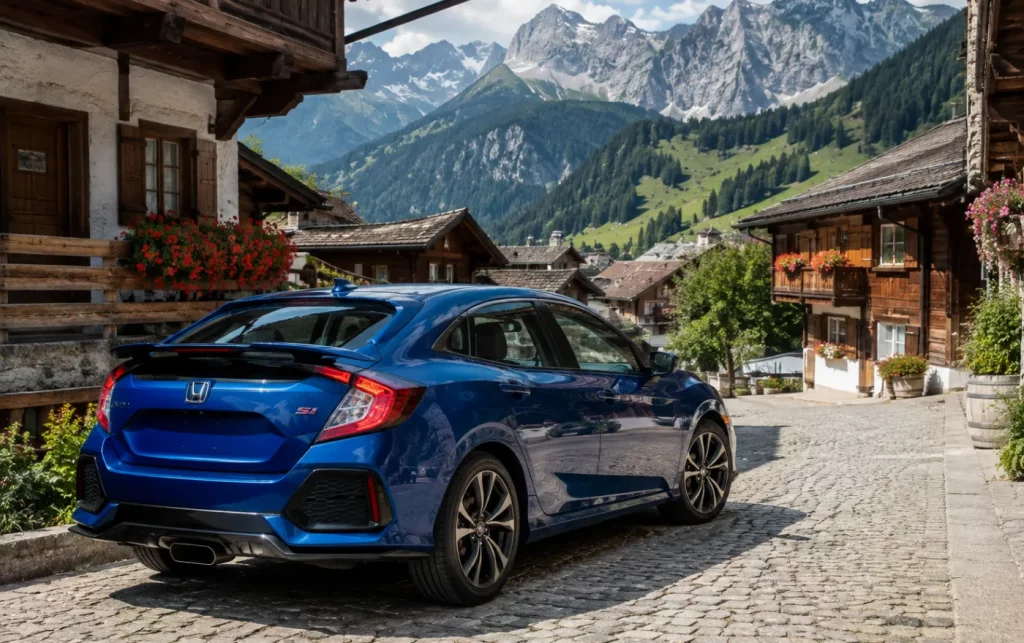
One is a big-displacement naturally aspirated engine that rewards engine-building and mechanical modification. The other is a small-displacement turbo engine that responds to software and bolt-ons with almost absurd efficiency. Both are excellent platforms. But they reward very different types of builders.
This isn’t a comparison about which car is faster from the factory. It’s a comparison about which car gives you the best result for every dollar spent on modifications — and which generation makes sense for the kind of project you want to build.
The 10th Gen Si is the better platform for budget-minded street builds — a simple ECU tune delivers massive torque gains for minimal cost. The 9th Gen Si is the better platform for serious engine builds — the K24’s robust bottom end can handle 350-400+ WHP with forced induction. The 10th Gen wins the tuning spreadsheet; the 9th Gen wins the garage experience. Choose based on your budget and your goals.
Two Completely Different Ways to Make Power
The 9th Gen Si and the 10th Gen Si approach power from opposite directions. The 9th Gen uses a 2.4-liter naturally aspirated engine with a linear power delivery and a character that rewards RPM. The 10th Gen uses a 1.5-liter turbocharged engine with a broad torque curve and a character that rewards boost.
9th Gen Si — K24Z7:
- 2.4L naturally aspirated
- 201 HP @ 7,000 rpm
- 170 lb-ft @ 4,400 rpm
- Linear power delivery
- VTEC on intake and exhaust
- Port injection
- Classic Honda character
10th Gen Si — L15B7:
- 1.5L turbocharged
- 205 hp @ 5,700 rpm
- 192 lb-ft @ 2,100–5,000 rpm
- Broad torque plateau
- VTEC on exhaust cam
- Direct injection
- Modern turbo character
The K24 makes power through displacement and RPM. The L15 makes power through boost and calibration. One is a mechanic’s engine; the other is a calibrator’s engine.
| Specification | 9th Gen Si (K24Z7) | 10th Gen Si (L15B7) |
|---|---|---|
| Displacement | 2.4L | 1.5L |
| Aspiration | Naturally aspirated | Turbocharged |
| Factory horsepower | 201 hp @ 7,000 rpm | 205 hp @ 5,700 rpm |
| Factory torque | 170 lb-ft @ 4,400 rpm | 192 lb-ft @ 2,100–5,000 rpm |
| VTEC | Intake and exhaust | Exhaust only |
| Fuel system | Port injection | Direct injection |
| Factory LSD | Helical | Helical |
| Adaptive dampers | No | Yes |
Stage 1: The 10th Gen Wins Immediately
This is where the 10th Gen Si shows its advantage. The L15B7 responds to ECU tuning with a dramatic increase in torque and horsepower. A simple calibration — no hardware changes — transforms the car.
In published dyno comparisons, the 10th Gen Si showed a gain of approximately 24 peak horsepower and 56 peak lb-ft of torque from a Ktuner calibration alone, with even larger improvements in the mid-range where it matters most for daily driving.
The 9th Gen Si with a Hondata FlashPro calibration improves throttle response, fueling, and cam control, but it doesn’t deliver the same dramatic gains. The naturally aspirated engine simply doesn’t have the same hidden potential locked behind software.
9th Gen K24Z7 — Stage 1:
- FlashPro calibration: ~$695
- Throttle response improvement
- Fueling optimization
- Cam timing adjustment
- Moderate power gain
10th Gen L15B7 — Stage 1:
- KTuner V2 or Hondata: ~$650
- Peak gain: ~24 WHP / 56 WTQ
- Massive mid-range improvement
- Dramatic torque increase
- Completely transformed driving experience
For the first $500–$700, the 10th Gen gives you more performance per dollar. The 9th Gen gives you better response and drivability, but the peak gains are much more modest.
- FlashPro: ~$695
- Improved throttle response
- Moderate gains
- Better drivability
- No hardware needed
- KTuner: ~$650
- +24 WHP / +56 WTQ
- Massive mid-range gain
- Transformed driving experience
- No hardware needed
$2,000 Budget — What Would You Buy?
With $2,000 to spend on modifications, the two cars take very different paths.
9th Gen Si — $2,000 Budget:
- Hondata FlashPro: ~$695
- Cold air intake: ~$300
- Exhaust/header solution: ~$600
- Custom tune: ~$300–400
- Result: Better powerband, improved sound, more aggressive character, moderate WHP gain
10th Gen Si — $2,000 Budget:
- KTuner V2: ~$650
- Cold air intake: ~$400
- Intercooler: ~$600–800
- Result: Significant power increase, much faster street car, better heat management
AT $2,000, the 10th Gen Si is significantly faster. The turbo engine’s response to airflow and intercooling improvements is dramatic. The 9th Gen Si is improved, but the gains are more modest.
$5,000 Budget — The Fight Gets Interesting
At $5,000, the comparison becomes more nuanced. The 10th Gen can be built into a very serious street car. The 9th Gen can start becoming a serious naturally aspirated engine.
10th Gen Si — $5,000 Budget:
- KTuner/Hondata: ~$650
- Intercooler: ~$700
- Cold air intake: ~$400
- Downpipe: ~$600
- Clutch upgrade: ~$1,200–1,500
- Flex fuel sensor: ~$400–500
- Custom tune: ~$400
- Result: 250–260+ WHP, very serious street car
9th Gen Si — $5,000 Budget:
- Hondata FlashPro: ~$695
- RBC intake manifold: ~$350
- Throttle body adapter: ~$100
- Cold air intake: ~$300
- Header/downpipe: ~$700
- Drop-in cams: ~$1,200
- Custom tune: ~$400
- Result: ~220–230 WHP, much better naturally aspirated character
The 10th Gen spends $5,000 making more power. The 9th Gen spends $5,000 making a better naturally aspirated engine. Both are valid approaches, but they serve different goals.
The $10,000 Build — Where the 9th Gen Fights Back
At $10,000, the 9th Gen Si becomes a much more compelling platform. The K24’s robust bottom end and the availability of serious naturally aspirated modifications make it a genuine engine-building platform.
9th Gen Si — $10,000 Build:
- Full naturally aspirated build
- Head work
- Aggressive cams
- High compression
- RBC or K20Z3 intake manifold
- Serious exhaust work
- Result: Serious naturally aspirated power, classic Honda character
10th Gen Si — $10,000 Build:
- Upgraded turbo
- Fuel system upgrades
- Intercooler
- Clutch
- Flex fuel
- Custom tuning
- Result: 300+ WHP, very fast street car
The 10th Gen still makes more peak power for the money. But the 9th Gen becomes a much more interesting engine-building project. Every additional horsepower gets progressively more expensive for both platforms, but the 9th Gen offers a different kind of satisfaction.
Power per Dollar — The Turbo Math
Here’s how the math works out across different budget levels.
| Budget | 9th Gen K24Z7 | 10th Gen L15B7 |
|---|---|---|
| Stage 1 (tune only) | Moderate gain | Huge torque gain |
| $2,000 | Better NA response | Much faster street car |
| $5,000 | Serious bolt-ons | Strong FBO platform |
| $10,000 | Built NA project | Turbo power build |
| 300+ WHP | Expensive/complex | More achievable |
Dyno numbers vary significantly between dynos. These are representative ranges based on published owner results, not guaranteed outputs.
The Torque Problem
The 10th Gen’s torque is both its greatest asset and its biggest challenge. The L15B7 produces a massive surge of mid-range torque that transforms the car’s character. But that torque also creates problems.
9th Gen K24Z7:
- Linear torque curve
- Predictable power delivery
- Easier to control on corner exit
- No sudden torque spikes
10th Gen L15B7:
- Massive mid-range torque
- Strong torque surge after tune
- More wheelspin
- Higher drivetrain stress
- Requires more careful throttle control
The K24 makes you work for power. The L15 gives you torque before you’ve finished pressing the throttle. Both are fun. They’re just fun in different ways.
Transmission and Clutch
This is where the 9th Gen has a clear advantage. The K24’s clutch and transmission are more robust than the 10th Gen’s.
9th Gen Si:
- Stronger stock clutch
- Handles bolt-ons without issues
- More robust transmission
- Known, proven platform
10th Gen Si:
- Stock clutch slips at 220+ WTQ
- Clutch upgrade required for any serious power
- ~$1,200–1,500 for clutch + install
- Transmission stress from torque spikes
Turbo torque can stress components differently from naturally aspirated horsepower. The 10th Gen’s torque delivery is harder on the clutch and transmission than the 9th Gen’s linear power curve.
Hondata vs KTuner — A Note on Tuning Software
Both platforms use different tuning solutions. The 9th Gen K24Z7 is traditionally tuned with Hondata FlashPro. The 10th Gen L15B7 can be tuned with either KTuner or Hondata.
The 9th Gen’s K24Z7 benefits from the extensive development history of the K-Series platform. Hondata has been tuning K-series engines for decades, and the aftermarket support is deep.
The 10th Gen’s L15B7 has a rapidly growing ecosystem. Both KTuner and Hondata offer strong solutions, with KTuner being particularly popular for its user-friendly interface and off-the-shelf maps.
For a full comparison of the tuning software options, see our dedicated article: KTuner vs Hondata — Full Comparison.
The Aftermarket Question
Both generations have strong aftermarket support, but they serve different needs.
9th Gen Wins In:
- Traditional Honda tuning
- Naturally aspirated builds
- Camshafts and valvetrain
- Intake manifolds
- Engine swaps
- K-series experimentation
10th Gen Wins In:
- ECU tuning
- Turbo upgrades
- Flex fuel
- Bolt-on horsepower
- Modern aftermarket development
The 9th Gen is a mechanic’s tuning platform. The 10th Gen is a calibrator’s tuning platform.
Which One Is Easier to Work On?
The 9th Gen Si is more familiar to traditional Honda enthusiasts. The naturally aspirated engine, mechanical modifications, and simpler electronics make it easier for a DIY builder to understand and modify.
The 10th Gen Si is more complex. Software, sensors, boost control, intercooler efficiency, and fuel quality all play larger roles. It rewards a different kind of expertise.
If you’re comfortable with a laptop and a calibration tool, the 10th Gen is approachable. If you prefer wrenches and mechanical work, the 9th Gen is more familiar.
Reliability After Tuning
Both engines can be reliable with proper tuning and maintenance. But the failure modes are different.
9th Gen K24Z7:
- Moderate bolt-on builds are predictable
- No turbo heat
- No boost pressure concerns
- But aggressive NA builds also need care
10th Gen L15B7:
- Boost, heat, and fuel quality matter
- Tune quality is critical
- Intercooler is essential for consistency
- Torque management matters
A conservative custom tune can be safer than an aggressive off-the-shelf MAP pushed beyond the car’s supporting hardware. That applies to both platforms, but especially to the turbocharged L15.
Daily Driver vs Weekend Build
The 10th Gen Si is the better daily driver. The turbo engine’s torque makes it easy to drive in traffic, the adaptive suspension provides comfort, and the car is modern and refined. A simple tune makes it genuinely quick without sacrificing drivability.
The 9th Gen Si is the better weekend build. The K-series character, the naturally aspirated sound, the RPM, the cams — it offers a different kind of satisfaction. It’s a car for someone who wants to build an engine, not just turn up the boost.
Track Build
Both cars can be effective on track, but they approach track performance differently.
9th Gen Advantages:
- Predictable power delivery
- No turbo heat
- Linear throttle response
- Well-understood chassis
10th Gen Advantages:
- Significantly more power potential
- More modern chassis
- Better cooling from factory
- Adaptive suspension
The better track build depends more on the budget and the specific setup than the engine alone. Both platforms can be fast.
The 300 WHP Question
Can a 9th Gen Si make 300 WHP? Yes — but it’s already a serious build. It requires significant investment, and it’s far beyond the scope of typical bolt-ons.
Can a 10th Gen Si make 300 WHP? Yes — and the path is shorter. Upgraded turbo, fueling, intercooler, and calibration can get you there.
This is the 10th Gen’s main advantage: forced induction math is hard to beat.
The Ultimate Verdict
The 9th Gen Si and the 10th Gen Si serve different builders with different goals.
Best Bang for the Buck: 10th Gen Si. The first few thousand dollars of modifications deliver significantly more performance than the 9th Gen can match.
Best Naturally Aspirated Build: 9th Gen Si. If you want the sound, the RPM, the cams, and the K-series character, the 9th Gen is your platform.
Best High-Power Potential per Dollar: 10th Gen Si. Turbocharging wins the math game.
Final Thought
If you want the fastest Civic Si for the least amount of money, start with the 10th Gen. If you want to build an engine rather than simply turn up the boost, the 9th Gen offers a completely different kind of project.
The 10th Gen wins the tuning spreadsheet. The 9th Gen wins the garage experience.
Both are excellent platforms. They just reward different kinds of builders.
FAQ — 9th Gen vs 10th Gen Civic Si for Tuning
Which Civic Si is better for tuning, the 9th Gen or 10th Gen?
The answer depends on your goals. The 10th Gen Si is better for budget-minded street builds — a simple ECU tune delivers massive torque gains for minimal cost. The 9th Gen Si is better for serious engine builds — the K24’s robust bottom end can handle 350-400+ WHP with forced induction. Choose based on your budget and goals.
How much power can a tuned 10th Gen Si make?
A Stage 1 tuned 10th Gen Si typically makes ~220-230 WHP on 93 octane. With bolt-ons, it can reach ~240-250 WHP. With an upgraded turbo and fuel system, 300+ WHP is achievable. The stock bottom end is generally considered safe to about 300 WHP / 310 WTQ.
How much power can a tuned 9th Gen Si make?
A bolt-on 9th Gen Si with a proper tune typically makes ~200-215 WHP. With aggressive cams and serious naturally aspirated modifications, it can reach higher figures. The K24’s bottom end is capable of 350-400+ WHP with a Turbocharger.
Is the 10th Gen Si’s stock clutch reliable with tuning?
No — the 10th Gen Si’s stock clutch is a known weak point. It starts to slip at approximately 220+ lb-ft of wheel torque, which a Stage 1 tune will exceed. A clutch upgrade is recommended for any serious power build.
Is the 9th Gen Si’s stock clutch reliable with tuning?
Yes — the 9th Gen Si’s stock clutch is more robust. It handles bolt-on modifications without issues and only becomes a concern with aggressive launches or forced induction. The K-series clutch is better suited to modified power levels.
Which Civic Si has more tuning potential?
The 10th Gen Si has more potential per dollar for street builds. The 9th Gen Si has more potential for serious engine builds. The 10th Gen’s turbocharger makes power cheaper, but the K24’s robust bottom end makes it better for high-horsepower builds with upgraded forced induction.
Is the 10th Gen Si a good platform for a big turbo build?
Yes, but it requires significant investment. The stock bottom end is the limiting factor — the connecting rods are known to be a weak point above 300 WHP. A built bottom end, upgraded fuel system, and upgraded clutch are required for serious power.
Is the 9th Gen Si a good platform for a big turbo build?
Yes — the K24’s robust bottom end makes it an excellent turbo platform. The engine can handle 350-400+ WHP with a properly installed turbo kit, upgraded fuel system, and appropriate tuning. It’s one of the best platforms for a budget big-turbo build.
Which Civic Si is better for a daily driver with light modifications?
The 10th Gen Si is better for a daily driver with light modifications. The turbo engine’s torque makes it easy to drive, the adaptive suspension provides comfort, and a simple tune transforms the car without compromising drivability. The 9th Gen Si is more focused on engine-building and mechanical modification.
Should I buy a 9th Gen or 10th Gen Si for a tuning project?
Buy the 10th Gen Si if you want the fastest car for the least money, if you prefer ECU tuning and bolt-ons, and if you want a modern daily driver. Buy the 9th Gen Si if you want to build an engine, if you prefer mechanical modification, if you want a turbo project with a robust bottom end, and if you value the K-series character.