

The Honda Civic and the Acura Integra share the same platform, the same engine family, and in some trims, the same transmission. They are built in the same factory, use the same parts-bin components, and roll off the assembly line within feet of each other. But they are not the same car. The question of whether the Integra is “just an expensive Civic” has been debated since the first Integra arrived in the United States in 1986, and the 2025 model year has done nothing to settle it.
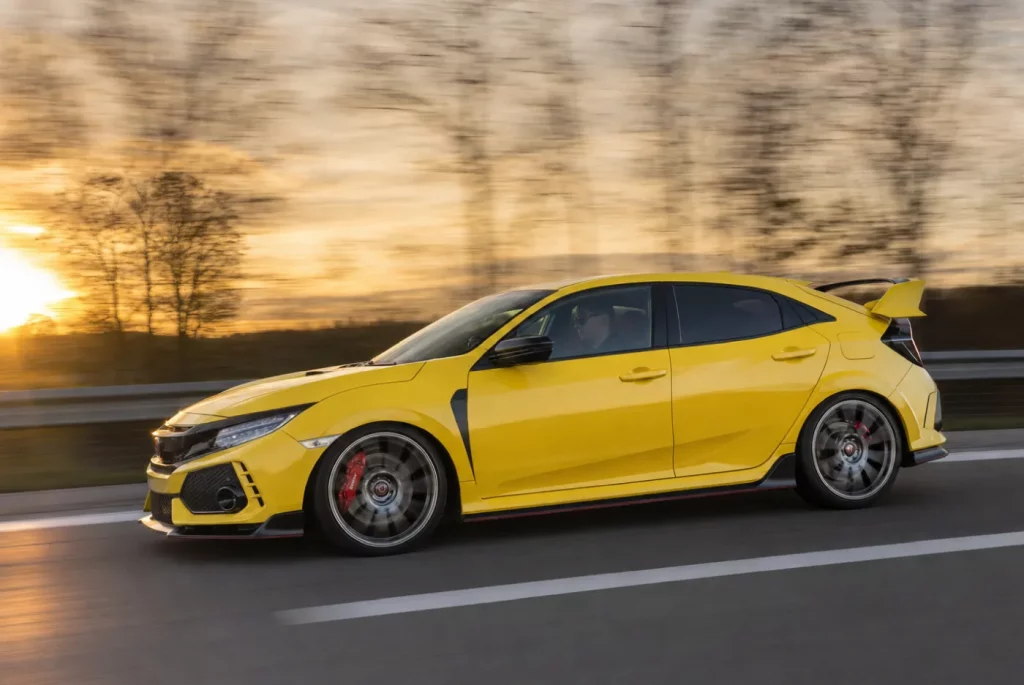
This article is not a comparison of cargo space or lap times. It is the foundation for the entire Civic vs Integra cluster — the page that explains the engineering relationship, the brand positioning, the history, and the philosophy behind two of Honda Motor Co.’s most important nameplates. Here, you will find the answers to the big questions: What do these cars actually share? Where do they diverge? And most importantly, which one should you buy?
Civic and Integra Are Not Simply the Same Car
The most common misconception about the Honda Civic and Acura Integra is that they are identical cars with different badges. This is not accurate. They are closely related products engineered around the same Honda global compact-car architecture, but they are positioned for different buyers, sold in different showrooms, and built to different priorities.
The Civic is Honda’s global mainstream compact. It has been in continuous production since 1972, and over that time, it has evolved into one of the most versatile nameplates in the automotive industry. The 2025 Civic lineup includes a sedan, a hatchback, a hybrid, a sporty Si, and the track-focused Type R. It spans price points from roughly $25,000 to nearly $50,000. It is a car that can be a commuter, a family car, a hybrid efficiency champion, or a performance icon.
The Integra is Acura’s entry-level premium compact. It is a liftback, not a sedan, and it is offered in a narrower range of trims than the Civic. The 2025 Integra starts AT a higher price point than the base Civic, offers more standard equipment, and positions itself as a more premium alternative to the mainstream Honda. It is not a replacement for the Civic. It is a different interpretation of the same engineering foundation.
The Integra is not simply a more expensive Civic. It is a different business proposition.
The Honda-to-Acura Relationship
Honda Motor Co. operates two automotive brands in North America: Honda and Acura. Honda is the mainstream brand, offering a wide range of vehicles from the Civic to the Odyssey minivan to the Ridgeline pickup truck. Acura is the premium brand, positioned above Honda in price, equipment, and brand perception.
Acura is not an independent manufacturer. It is Honda Motor Co.’s premium brand. The Integra is not built by a different company; it is built by Honda, on the same production lines, using the same engineering teams, the same supply Chain, and the same core components.
This means that shared components — engines, transmissions, suspension arms, brake Calipers, wiring harnesses — are not evidence of badge engineering or laziness. They are evidence of a business model that uses scale to deliver a premium product at a price point that would be impossible if Acura were forced to develop everything from scratch.
The relationship between Honda and Acura is similar to the relationship between Toyota and Lexus, Nissan and Infiniti, or Volkswagen and Audi. The mainstream brand provides the volume and the economies of scale; the premium brand provides the refinement, the additional equipment, and the higher price point.
Platform: How Closely Related Are They?
The 11th-generation Civic and the current-generation Integra share the Honda HA platform. This platform underpins the Civic Sedan, Civic Hatchback, Civic Hybrid, Civic Si, Civic Type R, Integra, and Integra Type S. It is the same architecture, with the same Wheelbase, the same track width, and the same fundamental suspension geometry.
But “same platform” does not mean “same car.” The platform is the foundation, but the house built on top of it can be very different.
| Component | Civic | Integra |
|---|---|---|
| Honda compact architecture | ✓ | ✓ |
| 1.5T engine family | ✓ | ✓ |
| 2.0T K20C1 | Type R | Type S |
| 6-speed manual | Si / Type R | A-Spec Tech / Type S |
| CVT | Many Civic trims | Integra base / A-Spec |
| Hybrid | ✓ | — |
| Hatchback / liftback | Civic Hatchback | Integra |
| Performance LSD | Si / Type R | A-Spec Tech / Type S |
| Premium brand positioning | — | ✓ |
The Civic range is much wider than the Integra range. The Integra is a more focused product line, and that focus comes with a higher price point.
The Civic Range Is Much Wider Than the Integra Range
One of the most important differences between the two nameplates is the breadth of their lineups. The Civic is available in seven distinct configurations in 2025: Sedan LX, Sedan Sport, Sedan Sport Touring, Sedan Hybrid Sport, Sedan Hybrid Touring, Si, and Type R. The Civic Hatchback adds another five configurations: LX, Sport, Sport Touring, Hybrid Sport, and Hybrid Touring.
The Integra range is much narrower. It is available in base, A-Spec, A-Spec Technology, and Type S trims. It does not offer a hybrid powertrain, and it does not offer a sedan body style. The Integra is a liftback — and only a liftback.
The starting price of the Civic Sedan LX is $24,695. The starting price of the Civic Hatchback LX is $27,895. The Si starts at $31,495, and the Type R starts at $47,395. The Civic covers a $22,700 range from the cheapest commuter to the most expensive performance car.
The Integra starts at $33,400 for the base CVT, rises to $39,200 for the A-Spec Technology with the 6MT, and tops out at $53,900 for the Type S. The Integra range is more compressed, higher in price, and more focused on premium positioning than the Civic range.
Honda has consciously chosen to keep the Integra lineup narrow and premium. The base Integra is already more expensive than the vast majority of Civic trims. The Integra is not a replacement for the Civic; it is a more expensive alternative for buyers who want a premium experience.
What Makes the Integra More Expensive?
If the platform, engine, and many components are shared, why does the Integra cost more than the Civic? The answer is in the details.
The Integra’s higher price buys a more premium interior with better materials, leatherette seating, a more sophisticated audio system, additional sound insulation, and a more refined driving experience. The Integra A-Spec Technology adds adaptive dampers, a head-up display, and the ELS Studio 3D audio system. The Type S adds a more powerful 2.0T engine, Brembo brakes, and a performance chassis.
But part of the price difference is brand positioning. Acura is a premium brand, and premium brands command higher prices. The Integra’s price reflects not just the cost of the components but also the cost of the badge, the dealer experience, and the perception of exclusivity.
The Integra is more expensive because Acura chooses to make it more expensive. It is not a value proposition; it is a premium proposition.
Body Style: Sedan vs Liftback
The body style is one of the most visible differences between the Civic and Integra lineups. The Civic Sedan and Civic Hatchback are two distinct body styles. The Integra is a liftback — a hatchback with a fastback roofline that combines the styling of a coupe with the practicality of a hatchback.
The Integra’s liftback body is its most practical advantage over the Civic Sedan. With 24.3 cubic feet of cargo space behind the rear seats, it can swallow items that simply will not fit in the Sedan’s 14.4-cubic-foot trunk. The hatchback opening is wide and low, making loading and unloading easier.
But the Civic Hatchback offers the same practicality at a lower price point. The Civic Hatchback LX starts at $27,895, compared to the Integra’s $33,400. The Civic Hatchback is more affordable, and it offers similar cargo capacity.
The Integra’s liftback is not unique; it is simply more expensive than the Civic Hatchback that offers the same functionality.
Powertrains: Where the Families Converge
The Civic and Integra share the same engine family: the 1.5-liter turbocharged four-cylinder that powers the Si and the base Integra, and the 2.0-liter turbocharged K20C1 that powers the Type R and Type S. The transmissions are also shared: both offer a six-speed manual and a CVT.
But sharing an engine does not mean sharing a car. The 1.5T in the Civic Si is tuned for performance, with a more aggressive throttle calibration, a higher redline, and a more responsive power delivery. The 1.5T in the base Integra is tuned for refinement, with smoother power delivery and less aggressive throttle mapping.
The K20C1 in the Type R and Type S is the same engine, but the calibration, exhaust, cooling, and chassis tuning are different. The Type R is more track-focused; the Type S is more street-focused.
The engine is only one component. The car around it determines how that engine feels.
The Same Engine Does Not Mean the Same Car
This is one of the most important points in this article. The Civic Si and the Integra A-Spec Technology share the same 1.5T engine, the same six-speed manual transmission, and the same helical limited-slip differential. But they are not the same car.
The Civic Si weighs 2,952 pounds. The Integra A-Spec Technology weighs 3,073 pounds. That 121-pound difference affects acceleration, braking, and cornering. The Civic Si is quicker: 6.6 seconds to 60 mph versus 7.0 seconds for the Integra. The Civic Si is more responsive in corner transitions. The Civic Si feels lighter and more agile.
The Civic Si has fixed dampers tuned for sporty driving. The Integra has adaptive dampers that can switch between comfort and Sport settings. The Integra is more comfortable on a broken road; the Civic Si is more engaging on a smooth road.
The Civic Si has a lower price. The Integra has a more premium interior. The Civic Si is the value choice. The Integra is the premium choice.
Interior: Mainstream vs Premium
The interior is where the Civic and Integra diverge most clearly. The Civic’s interior is functional, simple, and excellent from an ergonomic perspective. The materials are durable, the layout is logical, and the quality is good for the price point. The Civic Si adds sport seats, red accents, and a more driver-focused cockpit.
The Integra’s interior is more premium. The materials are better, the seats are more comfortable, the sound system is significantly better, and the overall feel is more upscale. The A-Spec Technology adds microsuede seating, a 12-way power driver’s seat with memory, a head-up display, and a 16-speaker ELS Studio 3D audio system.
The Integra is not simply a Civic with a different interior. It is a Civic with a genuinely better interior. The question is whether that interior is worth the price difference.
Technology: Is Acura Really Ahead?
Both cars offer wireless Apple CarPlay and Android Auto, a 9-inch touchscreen, and a digital instrument cluster. The Civic Si offers Google Built-In with Google Assistant, Google Maps, and Google Play as standard. The Integra offers Alexa Built-In instead.
The Integra A-Spec Technology offers a head-up display, which the Civic Si does not offer at any price. The Integra offers a 16-speaker ELS Studio 3D audio system, which is one of the best factory audio systems available in any compact car. The Civic Si’s Bose 12-speaker system is good, but it is not in the same league.
The Integra offers more technology in its top trims. But the Civic Si offers Google Built-In, which some buyers will prefer. The technology difference is not as one-sided as the price difference might suggest.
Comfort, NVH, and Daily Driving
The Civic’s ride quality varies dramatically by trim. The base Civic Sedan is comfortable and compliant. The Civic Si is stiff and sporty. The Type R is track-focused and very stiff.
The Integra is more consistent across its lineup. The base Integra and A-Spec ride more comfortably than the Civic Si. The A-Spec Technology’s adaptive dampers allow the driver to switch between comfort and sport modes. The Type S is stiffer than the base Integra but more comfortable than the Type R.
In daily driving, the Integra is the more comfortable car. It is quieter, smoother, and more refined. The Civic Si is more engaging but less comfortable. The Type R is rewarding on a track but tiring on a commute.
The Integra’s additional sound insulation makes a noticeable difference at highway speeds. The Civic Si has more road noise, especially from the tires. The Integra’s cabin is quieter, which makes long trips less fatiguing.
Reliability: Is the Acura More Reliable?
No — the Acura badge does not magically make Honda engineering more reliable. The Civic and Integra share powertrains, platforms, and components. Reliability depends on the specific powertrain and model year, not simply on the badge.
The 1.5T engine in the Civic Si and Integra has proven reliable in both cars. The CVT in the base Integra has a similar track record to the CVT in the Civic. The six-speed manual in the Si and Integra is identical. The brakes, suspension, and electrical systems are largely the same.
If you are concerned about reliability, choose the model year and powertrain that have the best track record — not the badge.
Ownership Cost: What Does the Acura Premium Cost Over Five Years?
The price difference between the Civic Si and Integra A-Spec Technology is approximately $8,000. Over five years, that difference compounds through financing, insurance, and depreciation.
At 6% APR over 60 months, a $39,195 loan costs approximately $135 more per month than a $31,100 loan. Over five years, that is approximately $8,100 in additional payments. The Integra’s higher insurance premiums add approximately $15–$25 per month. The total monthly cost difference can be $150–$160.
The Integra’s better resale value partially offsets the higher purchase price. The Civic Si holds its value well, but the Integra’s higher MSRP means it loses more absolute value. The depreciation difference over five years is smaller than the price difference suggests.
The Integra’s longer warranty (4 years / 50,000 miles vs Honda’s 3 years / 36,000 miles) is worth approximately $500–$800. The complimentary maintenance on some trims is worth approximately $300–$500.
Over five years, the Integra’s total cost of ownership is approximately $7,000–$8,000 higher than the Civic Si. That is a significant difference for two cars that share the same engine and platform.
Which Buyer Should Buy a Civic?
The Budget Buyer: Choose the Civic if you want the lowest entry price. The Civic Sedan LX starts at $24,695, and the Civic Hatchback LX starts at $27,895. The Integra base starts at $33,400.
The Hybrid Buyer: Choose the Civic if you want a hybrid. The Civic Hybrid Sedan and Hybrid Hatchback offer excellent fuel economy. The Integra does not offer a hybrid powertrain.
The Value Enthusiast: Choose the Civic Si if you want a manual transmission and a limited-slip differential at a reasonable price. The Si starts at $31,495. The Integra A-Spec Technology 6MT starts at $39,195.
The Track Enthusiast: Choose the Type R if you want the ultimate front-wheel-drive track car. The Type R starts at $47,395. The Type S starts at $53,900.
The Practical Buyer: Choose the Civic Hatchback if you want cargo capacity without paying a premium. The Civic Hatchback offers similar cargo space to the Integra at a lower price.
The Buyer Who Wants Maximum Choice: Choose the Civic if you want the widest range of options. The Civic is available in sedan, hatchback, hybrid, Si, and Type R configurations. The Integra is available as a liftback with four trims.
Which Buyer Should Buy an Integra?
The Premium Compact Buyer: Choose the Integra if you want a premium interior, better materials, and a quieter cabin. The Integra is more refined than the Civic.
The Liftback Buyer: Choose the Integra if you want a liftback and are willing to pay a premium for it. The Civic Hatchback offers similar cargo space at a lower price, but the Integra’s design is more premium.
The Manual Enthusiast with a Budget: Choose the Integra A-Spec Technology 6MT if you want a manual transmission and the premium features that the Civic Si does not offer. You will pay for it, but you will get adaptive dampers, a better audio system, and a head-up display.
The Type S Buyer: Choose the Type S if you want Type R performance without the Type R styling. The Type S is more discreet, more comfortable, and more daily-usable than the Type R.
The Brand Buyer: Choose the Integra if you want the Acura badge and the premium brand experience. The Acura dealer experience is generally more upscale than the Honda dealer experience.
The Tech Buyer: Choose the Integra if you want the ELS Studio 3D audio system and the head-up display. The Civic Si does not offer these features.
When Does Buying an Integra Actually Make Sense?
The Integra makes sense when the things you value are exactly the things Acura adds. If you want a premium interior, a quieter cabin, a head-up display, and a better audio system, the Integra is the right choice. If you want a liftback body and you are willing to pay a premium for it, the Integra is the right choice.
If you want a manual transmission and a limited-slip differential and you do not need the premium features, the Civic Si is the better value. If you want cargo capacity and you do not need the premium badge, the Civic Hatchback is the better value.
The Integra is not a better car than the Civic. It is a different car for a different buyer. The premium is real, but it buys real equipment: better materials, more sound insulation, a better audio system, and a more premium experience.
The question is whether that equipment is worth the price difference to you.
When Is the Civic the Better Car?
The Civic is the better car when you want the most value for your money. It is cheaper, offers a wider range of configurations, and delivers excellent performance in its sporty trims. The Civic Si is lighter, quicker, and more engaging than the Integra A-Spec Technology. The Type R is faster and more track-focused than the Type S.
The Civic is also the better car when you want a hybrid. The Integra does not offer a hybrid powertrain. The Civic Hybrid is efficient, refined, and practical.
The Civic is the better car when you want the maximum flexibility. The Civic is available as a sedan, a hatchback, a hybrid, a sporty Si, and a track-focused Type R. The Integra is available as a liftback with four trims.
The Civic is the better car when you want to save money. The Civic is cheaper to buy, cheaper to insure, and cheaper to own. The Civic Si is the performance bargain of the decade.
The Ultimate Decision Matrix
| If you prioritize… | Better choice |
|---|---|
| Lowest price | Civic |
| Fuel economy | Civic Hybrid |
| Practicality | Civic Hatchback / Integra |
| Premium cabin | Integra |
| Manual daily driver | Si / Integra 6MT |
| Tuning potential | Civic |
| Maximum stock performance | Type R / Type S |
| Discretion | Integra |
| Motorsport identity | Type R |
| Value | Civic |
| Luxury features | Integra |
| Broadest lineup | Civic |
The Real Answer: Siblings, Rivals, or Badges?
Siblings? Yes — technically and commercially related. The Civic and Integra share the same platform, the same engine family, and many of the same components. They are built on the same production lines by the same company.
Rivals? Sometimes. The Civic Si and Integra A-Spec Technology compete for the same buyer: the enthusiast who wants a manual transmission and a limited-slip differential. The Type R and Type S compete for the same buyer: the enthusiast who wants the ultimate front-wheel-drive performance car.
Badges? No. The differences between the Civic and Integra go far beyond the badge. The Integra has a different body style, a more premium interior, more sound insulation, a better audio system, and a higher price. It is not simply a Civic with a different emblem.
The Civic is the broader product. It is available as a sedan, a hatchback, a hybrid, a sporty Si, and a track-focused Type R. It covers a wide range of prices and configurations. It is the mass-market product that provides the volume and the economies of scale.
The Integra is the more curated product. It is a liftback with a narrower range of trims and a higher price point. It is the premium product that offers more refinement, more equipment, and a more exclusive experience.
The Civic is the better value. The Integra is the better premium experience. The question is not which one is better. The question is which one is better for you.
Final Verdict: The Civic Is the Broader Product. The Integra Is the More Curated Product.
This is the fundamental truth that underlies the entire Civic vs Integra comparison. The Civic tries to be everything to everyone. The Integra tries to be something specific to a smaller group of buyers.
The Civic is the more sensible choice for most buyers. It is cheaper, offers more configurations, and delivers excellent performance in its sporty trims. The Civic Si is the performance bargain of the decade. The Civic Hatchback is the practical choice. The Civic Hybrid is the efficient choice.
The Integra is the choice for buyers who want a premium experience and are willing to pay for it. It is quieter, more refined, and more premium than the Civic. The Integra A-Spec Technology offers features that the Civic Si does not offer: adaptive dampers, a head-up display, and the ELS Studio 3D audio system. The Type S offers Type R performance without the Type R styling.
The correct choice depends on what you value. If you value value, buy the Civic. If you value premium refinement, buy the Integra. If you want a manual transmission and a limited-slip differential without paying for luxury features, buy the Civic Si. If you want a manual transmission and a limited-slip differential with luxury features, buy the Integra A-Spec Technology 6MT.
Neither car is wrong. They are just right for different people.
Quick Reference — Civic vs Integra
☐ Civic range: Sedan, Hatchback, Hybrid, Si, Type R — $24,695 to $47,395
☐ Integra range: Base, A-Spec, A-Spec Tech, Type S — $33,400 to $53,900
☐ Civic has hybrid; Integra does not
☐ Civic Si: 6MT only, 200 hp, LSD, fixed dampers, $31,495
☐ Integra A-Spec Tech: 6MT or CVT, 200 HP, LSD, adaptive dampers, $39,195
☐ Civic Si weight: 2,952 lb; Integra 6MT: 3,073 lb
☐ Civic Si 0-60: 6.6 sec; Integra 6MT: 7.0 sec
☐ Integra cargo: 24.3 cu ft; Civic Si trunk: 14.4 cu ft
☐ Integra interior is more premium than Civic
☐ Acura warranty: 4yr/50k vs Honda 3yr/36k
☐ Civic offers more configurations; Integra is more focused
☐ Civic is the better value; Integra is the more premium car
☐ The Integra is not a badge-engineered Civic; it is a different product for a different buyer
☐ The correct choice depends on what you value: value or premium refinement