

If you are shopping for a practical five-door hatchback and the Honda Civic Hatchback and Acura Integra are both on your list, you are looking at two cars that share the same bones but serve very different buyers. They share the same Wheelbase (107.7 inches), the same platform, and nearly the same cargo volume — 24.5 cubic feet for the Civic Hatchback versus 24.3 cubic feet for the Integra. On paper, they are almost identical. But on the road, in the driveway, and in your wallet, they are not the same car.
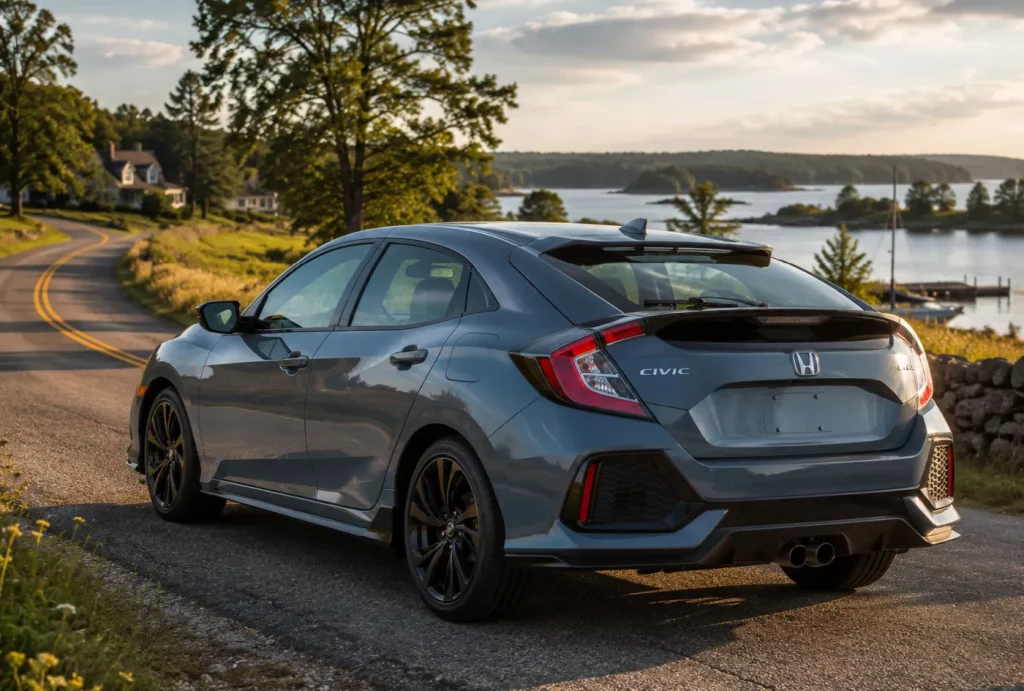
This comparison is not about lap times or horsepower. It is about which hatchback is easier to live with every day — loading groceries, fitting car seats, parking in tight spots, and keeping your family comfortable. And it is about whether the Acura badge and premium interior are worth thousands of dollars more than a Civic Hatchback with almost identical practical specs.
Why This Comparison Matters — They’re Closer Than Most Buyers Think
Both cars are five-door liftbacks built on the same 11th-generation Civic platform. Both have front-wheel drive, similar rear legroom (37.4 inches), and almost identical cargo capacity. The Civic Hatchback is shorter (179.0 inches) than the Integra (185.8 inches), which makes a difference in parking lots and city streets. The Integra is wider (72.0 inches vs 70.9 inches) and slightly lower.
If you look only AT the spec sheet, the two cars look like siblings separated by a badge. The real differences are in the details: how wide the cargo opening is, how high the liftover height is, how comfortable the rear seats are on a long trip, and how much you are willing to pay for a premium interior.
| Measurement | Honda Civic Hatchback | Acura Integra |
|---|---|---|
| Cargo volume (rear seats up) | 24.5 cu ft | 24.3 cu ft |
| Cargo volume (rear seats folded) | ~46.2 cu ft | Not officially published |
| Wheelbase | 107.7 in | 107.7 in |
| Rear legroom | 37.4 in | 37.4 in |
| Rear headroom | 37.1 in | 36.4 in |
| Overall length | 179.0 in | 185.8 in |
| Width | 70.9 in | 72.0 in |
| Curb weight | ~2,928 lb | ~3,084 lb |
Where Did Those Extra 6.8 Inches of Integra Go?
The Integra is 6.8 inches longer than the Civic Hatchback, despite having the same wheelbase. That extra length is in the front and rear overhangs — the Integra’s bumpers and bodywork are stretched beyond the Civic’s mechanical package. The Integra is also 1.1 inches wider.
In real-world terms, this means the Integra takes up more space in a parking spot, feels larger when maneuvering in tight city streets, and has a slightly longer nose to judge when parking. The Civic Hatchback, with its shorter overhangs, is more maneuverable in tight spaces. If you parallel park regularly, this is a meaningful difference.
Cargo Space — The Numbers Are Nearly Identical. The Experience Is Not.
The Civic Hatchback offers 24.5 cubic feet of cargo space with the rear seats up. Fold the rear seats down, and the space expands to approximately 46.2 cubic feet. The Integra offers 24.3 cubic feet. On paper, the difference is negligible — 0.2 cubic feet is less than a gallon of milk.
But cargo space is not just about cubic feet. It is about how easy it is to load and unload.
The Civic Hatchback has a wide, low cargo opening. Honda designed the hatch to make loading bulky items easy — the opening is square, the liftover height is low, and the rear seats fold flat. The Civic is essentially a small van with the seats down.
The Integra has a high liftover height. Owners and reviewers consistently note that the Integra’s rear bumper creates a high lip that you have to lift heavy items over. The wide opening helps, but the high liftover is a real drawback for anyone loading heavy cargo — car seats, luggage, or bulky items from Costco.
The Civic Hatchback also includes a smart, removable cargo cover that stretches sideways across the cargo area, making it easier to use than traditional front-to-back covers. This is the kind of practical detail that makes a difference in daily use.
Five Things We’d Try to Load
To really understand the difference in cargo usability, consider five common loading scenarios:
1. Large suitcase: Both cars fit a large checked bag. The Civic’s lower liftover makes lifting it in easier. The Integra’s high lip requires more effort.
2. Baby stroller: The Civic’s wider opening and lower height make it easier to load a bulky stroller. The Integra’s narrower opening and high lip are a disadvantage.
3. Costco run: The Civic’s square cargo area and low liftover make loading heavy bulk items easier. The Integra’s high lip is a real inconvenience.
4. IKEA flat-pack furniture: The Civic’s more square rear section allows longer and taller boxes. The Integra’s sloping roofline limits vertical clearance.
5. Road-trip luggage for four: Both cars can fit four bags with the seats up. The Civic’s easier loading makes packing less of a chore.
The numbers are nearly identical. The experience is not.
The Rear Seat Test — Adults, Kids, and Comfort
Both cars have 37.4 inches of rear legroom. That is enough for two adults to sit comfortably on a short trip, but the Civic Hatchback has a slight advantage in rear headroom (37.1 inches vs 36.4 inches). For taller passengers, the Civic gives you a little more breathing room.
The Integra’s rear seats have decent legroom but limited thigh support and a backrest angle that promotes slouching on longer trips. The Civic Hatchback’s rear seats are more upright and supportive, making them better for longer journeys.
For child seats, both cars have LATCH anchors and rear doors that open wide. But the Civic’s lower liftover height makes it easier to load a stroller or bulky baby gear into the cargo area. The Integra’s high liftover is a drawback for parents with heavy gear.
One Car for Everything — Five Real-Life Scenarios
Monday commute: Both cars handle this equally well. The Civic is lighter (2,928 lb vs 3,084 lb) and slightly more maneuverable in traffic. The Integra has a more premium interior and quieter cabin, making the drive feel more upscale. If you spend hours in traffic, the Integra’s NVH improvements are noticeable.
Wednesday grocery run: The Civic’s lower liftover height and wider cargo opening make loading heavy bags easier. The Integra’s high liftover is a real inconvenience. The Civic wins this round.
Friday airport pickup: Both cars fit four large suitcases with the seats folded. The Civic’s 46.2 cubic feet of cargo space is a real advantage over the Integra’s unlisted folded capacity. The Civic is the better airport car.
Saturday IKEA trip: The Civic’s square cargo area and low liftover make it easier to load flat-pack furniture. The Integra’s sloping roofline and high liftover limit what you can fit. The Civic is the clear winner for bulky items.
Sunday four-person road trip: The Integra’s premium interior, better sound insulation, and more comfortable front seats make it the better car for long-distance travel. The Civic’s cheaper interior and higher road noise are drawbacks. But the Civic’s extra headroom and better rear seat support make it more comfortable for rear passengers.
City Parking and Maneuverability
The Civic Hatchback is 6.8 inches shorter than the Integra. That is a significant difference when parallel parking, squeezing into a tight garage, or navigating narrow city streets. The Civic’s shorter overhangs and narrower body make it easier to place in tight spaces. The Integra’s longer nose and wider track require more care.
If you live in a city or frequently park in tight spots, the Civic Hatchback is the easier car to live with.
Child Seats, Passengers and Daily Family Use
Both cars have LATCH anchors and rear doors that open wide enough for easy child-seat installation. The Civic’s lower liftover makes it easier to load a stroller. The Integra’s high liftover is a real disadvantage for parents with heavy baby gear.
For rear-facing child seats, the Civic’s slightly more upright rear seatback angle and extra headroom make it easier to fit bulky seats. The Integra’s more sloped roofline and sportier seat design reduce the usable space for rear-facing seats.
Transmission Choices and Everyday Convenience
The Civic Hatchback is available with both a CVT and a six-speed manual on the Sport trim. The manual transmission makes the Civic a unique proposition in the practical hatchback class — you can have a fun-to-drive family car for less than $30,000.
The Integra’s manual transmission is only available on the top A-Spec with Technology package, which costs significantly more than the base CVT model. If you want a manual, the Civic Hatchback is the more affordable choice.
For everyday commuting, both cars use Honda’s CVT, which is smooth and fuel-efficient. The Integra’s CVT is slightly quieter, but the driving experience is essentially the same.
What the Acura Premium Actually Costs
The base Acura Integra starts roughly $6,000 to $7,000 higher than a comparably equipped Civic Hatchback. That premium buys:
- A more premium interior with leatherette seating and better materials
- A quieter cabin with more sound insulation
- Acura’s 4-year/50,000-mile warranty (versus Honda’s 3-year/36,000-mile coverage)
- Acura’s premium dealer experience
- A liftback body that is 6.8 inches longer and 1.1 inches wider
The premium does not buy more cargo space (24.5 vs 24.3 cubic feet). It does not buy better rear seat legroom (37.4 vs 37.4 inches). It does not buy better maneuverability (the Civic is shorter).
What you are paying for is the badge, the interior quality, and the quieter ride. For some buyers, that is worth the extra money. For others, it is not.
What the Acura Premium Costs Per Month
To put the $6,000–$7,000 premium in perspective, consider a typical 60-month auto loan at 6% APR. A $6,500 difference adds approximately $126 per month to your payment. Over five years, that is roughly $7,560 in payments.
The Integra’s higher insurance premiums and slightly lower fuel economy (due to the extra weight) add approximately $15–$25 per month. The total monthly cost difference can be $140–$150.
The Integra’s 4-year/50,000-mile warranty is worth approximately $500–$800 compared to the Civic’s 3-year/36,000-mile coverage. The complimentary maintenance on some trims is worth approximately $300–$500.
Over five years, the Integra’s total cost of ownership is approximately $7,000–$8,000 higher than the Civic Hatchback. That is a significant difference for two cars with almost identical cargo capacity.
Which Civic Trim Matches the Integra Best?
The Civic Sport Touring trim ($33,000 MSRP) is the closest match to the base Integra. It includes the 1.5L turbo engine (180 hp), a 9-inch touchscreen, wireless CarPlay, leather upholstery, heated seats, and a power sunroof. The Integra base CVT includes similar features but with a 1.5L engine rated at 200 hp and a more premium interior.
The Civic Sport Touring costs thousands less than the base Integra and offers almost identical feature content. The Integra’s premium is for the badge, the interior, and the quieter ride — not for more features or more space.
Premium Cabin vs Better Value
The Integra’s interior is more premium. The materials are better, the seats are more comfortable, the sound system is better, and the overall feel is more upscale. The Civic Hatchback’s interior is functional and well-designed, but it does not feel special.
The question is whether the premium interior is worth the extra cost. If you spend two hours a day in your car, the Integra’s better materials and quieter cabin may be worth the premium. If you spend 30 minutes a day, the Civic’s interior is perfectly adequate.
The Integra’s ELS Studio 3D audio system is significantly better than the Civic’s standard system. If audio quality matters to you, the Integra’s system is a real advantage.
The 500-Mile Road Trip Question
On a long road trip, the Integra’s quieter cabin, better sound insulation, and more premium front seats make it the more comfortable car for the driver and front passenger. The Civic’s higher road noise and cheaper interior are drawbacks.
But for rear passengers, the Civic’s extra headroom and better rear seat support make it more comfortable. And for cargo, the Civic’s lower liftover and wider opening make loading and unloading easier.
If you are driving four people on a 500-mile trip, the Civic is the better car for the rear passengers. The Integra is the better car for the front passengers.
Which Buyer Should Choose Which?
The Budget Buyer: Choose the Civic Hatchback. It offers almost identical cargo space and practicality for thousands less. The Integra’s premium is not justified for a buyer who prioritizes value.
The One-Car Household: Choose the Integra if you want a more premium daily experience. Choose the Civic if you want to save money and do not need the extra refinement.
The Frequent Road-Tripper: Choose the Integra for the quieter cabin and more comfortable front seats. Choose the Civic if rear passenger comfort and cargo loading are more important.
The City Driver: Choose the Civic Hatchback. Its shorter length and narrower body make it easier to park and maneuver in tight spaces.
The Buyer Who Wants Premium Without Going Full Luxury: Choose the Integra. It offers a premium experience without the price of a true luxury car.
The Biggest Surprise — Cargo Space Is Nearly a Tie
The Civic Hatchback has 24.5 cubic feet of cargo space. The Integra has 24.3 cubic feet. The difference is 0.2 cubic feet — less than a gallon of milk. The two cars are almost identical in cargo capacity.
What separates them is the experience of loading and unloading. The Civic has a wider opening, lower liftover, and more square cargo area. The Integra has a high liftover that makes loading heavy items more difficult. For daily use, the Civic is the easier car to live with.
But the numbers do not lie: if you are comparing cargo capacity alone, these two cars are virtually identical.
Final Verdict — Practicality vs Value
The Civic Hatchback is the better value. It costs thousands less, offers almost identical cargo space, has a shorter body for easier parking, and is available with a manual transmission on the Sport trim. It is the smarter choice for buyers who prioritize utility and budget.
The Integra is the more premium car. It has a quieter cabin, better materials, and a longer warranty. It is the better car for buyers who are willing to pay for comfort and badge prestige.
But the Civic Hatchback is not a compromise. It is one of the most practical, versatile, and affordable hatchbacks on the market. The Integra is a luxury alternative that offers almost identical utility for a significantly higher price.
If you are choosing between these two cars, ask yourself: do you want to pay $6,000–$7,000 for a quieter cabin and a premium badge? Or do you want to keep that money in your pocket and drive a car that is just as practical, almost as comfortable, and much easier to load?
Quick Reference — Civic Hatchback vs Integra
☐ Civic Hatchback: 24.5 cu ft cargo, 37.4 in rear legroom, 37.1 in rear headroom, 179.0 in length, ~2,928 lb curb weight
☐ Integra: 24.3 cu ft cargo, 37.4 in rear legroom, 36.4 in rear headroom, 185.8 in length, ~3,084 lb curb weight
☐ Civic has lower liftover height and wider cargo opening — easier to load heavy items
☐ Integra has high liftover height that makes loading heavier cargo more difficult
☐ Civic is 6.8 inches shorter than Integra — easier to park in tight spaces
☐ Integra is 1.1 inches wider and has a longer front overhang
☐ Civic Sport Touring ($33,000) matches Integra base ($36,000+) in feature content
☐ Integra has Acura’s 4-year/50,000-mile warranty vs Honda’s 3-year/36,000-mile
☐ Civic offers manual transmission on Sport trim; Integra manual only on top A-Spec Tech trim
☐ Civic is the better value; Integra is the more premium car
☐ The $6,000–$7,000 premium buys a quieter cabin, better materials, and a longer warranty
☐ The premium does not buy more cargo space or rear legroom
☐ The Civic’s lower liftover makes it easier to load heavy items
☐ The Integra’s quieter cabin makes it better for long road trips
☐ The Civic’s shorter length makes it better for city parking
☐ The Integra’s manual transmission is only available on the expensive A-Spec Tech trim
☐ The Civic’s manual transmission is available on the Sport trim for thousands less
FAQ — Civic Hatchback vs Acura Integra Practicality
Which car has more cargo space — Civic Hatchback or Integra?
The Civic Hatchback has 24.5 cubic feet of cargo space with the rear seats up, while the Integra has 24.3 cubic feet. The difference is minimal — 0.2 cubic feet. The Civic’s cargo area is easier to load due to a lower liftover height and wider opening.
Is the Integra more practical than the Civic Hatchback?
No — the Civic Hatchback is more practical. It has a lower liftover height, a wider cargo opening, and a shorter body that makes parking easier. The Integra’s high liftover height is a noted drawback for loading heavy items.
Which car has more rear seat space?
Both cars have 37.4 inches of rear legroom. The Civic Hatchback has 37.1 inches of rear headroom, while the Integra has 36.4 inches, giving the Civic a slight advantage for taller passengers.
Is the Acura Integra worth the extra money over the Civic Hatchback?
It depends on what you value. The Integra has a more premium interior, quieter cabin, and longer warranty. The Civic Hatchback offers almost identical cargo space and practicality for thousands less. If you prioritize value and utility, choose the Civic. If you prioritize luxury and badge prestige, choose the Integra.
Does the Civic Hatchback have a manual transmission?
Yes — the Civic Hatchback Sport trim is available with a six-speed manual transmission. The Integra’s manual transmission is only available on the A-Spec with Technology package, which costs significantly more.
Which car is easier to park?
The Civic Hatchback is easier to park. It is 6.8 inches shorter than the Integra, has a shorter front overhang, and is 1.1 inches narrower.
Does the Integra have more cargo space with the seats folded?
Acura does not publish a cargo volume figure with the rear seats folded. The Civic Hatchback has approximately 46.2 cubic feet. The Integra’s sloping roofline likely reduces the usable space compared to the Civic’s more square hatch design.
Which car has a better warranty?
The Integra has a 4-year/50,000-mile basic warranty, compared to the Civic’s 3-year/36,000-mile coverage. The Integra’s warranty is significantly better and worth approximately $500–$800 over the first three years.
Is the Integra quieter than the Civic Hatchback?
Yes — the Integra has more sound insulation and thicker glass, making it quieter at highway speeds. The Civic Hatchback has more road and wind noise.
Which car is better for a family?
The Civic Hatchback is better for families because of its lower liftover height, wider cargo opening, and easier loading of strollers and bulky gear. The Integra’s high liftover is a disadvantage for parents with young children.