

Every few years, the automotive world reignites one of its oldest debates. Honda Civic Si or Volkswagen Golf GTI? It’s a question that has divided enthusiasts for decades, surfacing on Reddit, CivicX, and VWVortex with the same predictable intensity. And for good reason: both cars represent the heart of the Sport-compact segment.
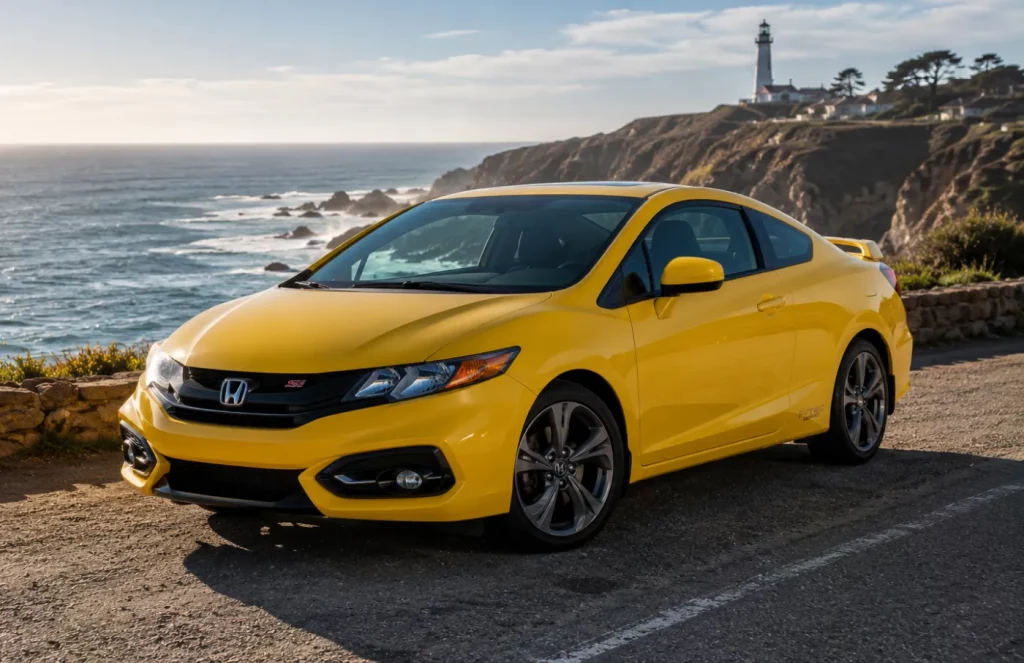
In 2026, the debate has taken a new turn. The 11th-gen Civic Si remains a sedan-only, manual-transmission purist’s dream. The Mk8 Golf GTI has evolved into a more powerful, more refined hatchback that, in the US market, is no longer even available with three pedals for the 2025 model year. The choice is no longer just about horsepower. It’s about whether you want a manual transmission, a hatchback, or the best of both worlds.
This isn’t a comparison about which car is objectively better. It’s a comparison about which car fits your priorities — and your budget.
The Golf GTI is the more powerful, more practical, and more refined daily driver — it offers significantly more torque, a hatchback body, and better highway comfort. The Civic Si is the more engaging, more affordable, and more reliable long-term choice — it has a superior manual transmission, lower running costs, and better resale value. Choose the GTI if you want effortless power and practicality; choose the Si if you want involvement and low ownership cost.
Two Different Answers to the Same Question
On paper, these cars look like direct competitors. Both have turbocharged four-cylinder engines. Both have front-wheel drive. Both are sporty compact cars that can carry four people and their luggage. But the philosophy behind each car couldn’t be more different.
The Civic Si is a lightweight, driver-focused sedan. It weighs just 2,952 pounds, making it significantly lighter than the GTI’s 3,137 pounds. It comes exclusively with a six-speed manual transmission, a helical limited-slip differential, and a chassis tuned for cornering precision rather than straight-line speed. The Si is the car you buy when you want to feel every shift, every corner, every ounce of grip.
The Golf GTI is a more powerful, more refined hatchback. With 241 horsepower and 273 lb-ft of torque from its 2.0-liter turbocharged engine, it significantly outmuscles the Si’s 200-HP 1.5-liter. It offers the practicality of a hatchback, a more premium interior, and — for drivers who want it — a 7-speed DSG dual-clutch transmission that delivers lightning-fast shifts. The GTI is the car you buy when you want effortless power and everyday versatility.
The GTI is the faster car. The Si is the more analog car.
| Specification | Honda Civic Si (FE1) | VW Golf GTI (Mk8) |
|---|---|---|
| Engine | 1.5L turbo I4 (L15CA) | 2.0L turbo I4 (EA888 Gen 4) |
| Horsepower | 200 hp @ 6,000 rpm | 241 hp @ 5,000 rpm |
| Torque | 192 lb-ft | 273 lb-ft |
| Transmission | 6-speed manual (rev-match) | 6-speed manual / 7-speed DSG |
| LSD | Helical limited-slip | VAQ electronic limited-slip |
| Curb weight | 2,952 lb | 3,137 lb |
| Body style | Sedan | Hatchback |
| 0-60 mph (manual) | ~6.6 seconds | ~5.6 seconds |
| EPA Fuel Economy (city/hwy/comb) | 27/37/31 mpg | 23/34/27 mpg (DSG) |
| Starting MSRP (2026) | ~$30,995 | ~$34,200+ |
Performance: This Isn’t a Close Fight
The Golf GTI is objectively faster than the Civic Si. The numbers don’t lie. The GTI’s 2.0-liter engine produces 241 horsepower and 273 lb-ft of torque, compared to the Si’s 200 hp and 192 lb-ft. That’s a 41-horsepower and 81-lb-ft advantage for the Volkswagen.
The difference is even more dramatic in real-world driving. The GTI’s torque peaks AT just 1,800 rpm, meaning you don’t need to rev the engine to access its power. The Si’s torque arrives later and drops off above 5,500 rpm. In a 0-60 mph test, the GTI achieves approximately 5.6 seconds, while the Si takes about 6.6 seconds. On paper and on the road, the GTI is the quicker car.
The GTI’s advantage is most noticeable in everyday driving scenarios: merging onto highways, passing on two-lane roads, accelerating with passengers, or climbing hills. The extra torque makes the GTI feel effortless where the Si feels like it’s working hard.
But straight-line performance isn’t everything. And this is where the Si fights back.
But the Si Is More Fun at Legal Speeds
Speed isn’t the same as engagement. The Civic Si is the more rewarding car to drive at everyday speeds. The six-speed manual transmission is one of the best in the business — short, precise throws, a rev-match system that makes downshifts seamless, and a clutch that’s perfectly calibrated for feel. The Si’s manual transmission is a benchmark in the segment.
The GTI’s manual transmission is good, but it’s not the Si’s equal. The Volkswagen’s shifter is more rubbery, with longer throws and less mechanical satisfaction. And for the 2025 model year, the GTI no longer even offers a manual in the US market — the DSG is the only option. For drivers who insist on three pedals, the comparison may already be over.
The Si also has a helical limited-slip differential from the factory. The GTI has an electronic VAQ differential that is effective but less mechanical in its feel. On a twisty back road, the Si’s LSD delivers a more connected, more predictable experience. You can get on the power earlier in corners, and the car will pull itself through the apex.
Which car makes a 45-mph back road feel more entertaining? For many enthusiasts, the answer is the Civic Si.
Manual vs DSG: The Biggest Difference Isn’t Horsepower
This is the most important distinction between these two cars. The Civic Si is manual-only. The Golf GTI is available with either a manual (on earlier Mk8 models) or a seven-speed DSG dual-clutch automatic (the only option for 2025+ in the US).
The Si’s manual is a feature, not a compromise. You choose the gear, you work the clutch, you use the rev-match or turn it off and do it yourself. The car rewards good technique and punishes laziness. It’s the kind of transmission that makes you feel like you’re part of the machine.
The DSG is faster. It shifts in milliseconds, holds gears exactly where they need to be, and delivers blistering acceleration. In the right conditions, the DSG-equipped GTI is a full second quicker to 60 mph than the Si. It’s also easier in traffic, smoother in everyday driving, and more fuel-efficient on the highway.
But the DSG is not as engaging. It doesn’t give you the same sense of connection, the same feeling of accomplishment when you nail a perfect downshift. The DSG is the better tool for speed. The Si’s manual is the better tool for involvement.
Chassis and Handling: Numbers vs Feel
The Si’s chassis advantage is about more than just skidpad numbers. It’s about how the car feels when you’re driving at the limit.
The Si is lighter — 2,952 pounds versus the GTI’s 3,137. That’s a significant difference that translates into better turn-in, better braking, and more agile direction changes. The Si’s longer Wheelbase (107.7 inches versus the GTI’s 103.6) provides more stability in high-speed corners. The Si’s steering is more communicative, more precise, and more confidence-inspiring.
The GTI’s VAQ electronic differential is effective at reducing understeer, but it can’t fully compensate for the car’s extra weight. The GTI feels more planted on the highway, but it also feels heavier and less eager in tight corners. The GTI’s chassis is tuned for comfort and stability, not outright agility.
Which one would you rather drive for 200 miles of mountain roads? If you value precision and involvement, the Si. If you value power and composure, the GTI.
Daily Driving: GTI’s Home Turf
This is where the Golf GTI earns its reputation as the ultimate daily driver. The hatchback body provides 19.9 cubic feet of cargo space behind the rear seats, expanding to 34.5 cubic feet with the seats folded. The Si’s sedan trunk offers approximately 14 cubic feet. That’s a significant difference when you’re hauling luggage, groceries, or gear.
The GTI’s interior is more refined and more premium. The materials are nicer, the fit and finish is tighter, and the overall cabin experience is more polished. The GTI’s available DCC adaptive chassis control lets you adjust the suspension firmness on the fly, switching between comfort and sport with the push of a button. The Si’s suspension is fixed — it’s always sporty, which means it’s always firm.
The GTI is also quieter on the highway. The better sound insulation, the more compliant ride, and the more refined engine make the GTI a more pleasant car for long road trips. The Si is more engaging, but it’s also more tiring.
The GTI wins the daily driving comparison. It’s more comfortable, more practical, and more refined.
Interior: Sport Sedan vs Premium Hot Hatch
The Civic Si’s interior is functional and focused. The red and black sport seats provide excellent lateral support, the 9-inch touchscreen is responsive, and the 12-speaker Bose audio system is genuinely premium. The Si’s interior is a great place to be for a sporty drive.
The GTI’s interior is more premium overall. The materials are softer, the design is more sophisticated, and the hatchback body provides more versatility. The GTI’s digital cockpit and larger infotainment screen are more advanced, though some owners complain about the lack of physical controls.
The Si is the better driver-focused cabin. The GTI is the better daily cabin.
Fuel Economy: Si Quietly Wins
This is one area where the Si has a clear advantage. The Civic Si achieves 27 mpg city, 37 mpg highway, and 31 mpg combined. The Golf GTI achieves 23 mpg city, 34 mpg highway, and 27 mpg combined for DSG models. The difference is about 4 mpg combined — a meaningful gap over the course of a year.
The GTI gives you more performance per gallon. The Si simply uses less fuel.
Reliability: Where the Comparison Gets Interesting
This is one of the most important sections for any buyer in this segment. The data shows a clear trend.
Consumer Reports ranks Honda fourth in overall reliability, while Volkswagen is ranked 18th. J.D. Power’s 2024 Initial Quality Study shows Honda above average in initial quality, while Volkswagen is rated below average with 60 more problems per 100 vehicles. J.D. Power’s 2024 Vehicle Dependability Study shows Honda with 61 fewer problems per 100 vehicles over the first three years of ownership compared to Volkswagen.
The Civic Si is the more reliable car. The GTI has improved significantly in recent years, but it still trails the Honda in long-term dependability.
Engine Reliability: The Si’s L15CA 1.5-liter turbo is well-understood and generally reliable, though it requires attention to Oil dilution in cold climates and carbon buildup on intake valves at higher mileage. The GTI’s EA888 Gen 4 has eliminated many of the oil consumption issues of earlier generations, but water pump and thermostat housing failures remain common concerns at 80,000–100,000 miles.
Transmission Reliability: The Si’s manual transmission is simple, robust, and cheaper to maintain. The GTI’s DSG is more complex and requires expensive fluid changes every 60,000 kilometers (roughly 37,000 miles). DSG repairs are significantly more expensive than manual transmission repairs.
100K-Mile Ownership: What to Expect
At 30,000 miles, both cars should be reliable with routine maintenance. The Si’s clutch is a known weak point — it can start to slip with aggressive driving or tuning. The GTI’s DSG requires its first service around this mileage.
At 60,000 miles, the GTI’s DSG needs another expensive service. The Si’s intake valves may start to show carbon buildup, requiring walnut blasting. Both cars will need tires, brake pads, and other consumables.
At 100,000 miles, the GTI’s Water Pump is a common failure point. The Si’s clutch may need replacement if it hasn’t been done already. The GTI’s cooling system and electronics are more complex and potentially more expensive to repair. The Si’s simpler design means fewer things can go wrong.
Over five years of ownership, the GTI typically costs $1,000 to $1,200 more in scheduled maintenance than the Civic Si. The DSG fluid changes alone add significant cost.
Resale Value: The Si’s Secret Weapon
This is where the Civic Si makes its financial case. ALG Residual Value projections for 2024 show the Civic Si retaining 59% of its value after 36 months, compared to 49% for the Golf GTI. Over five years, the gap widens further: the Civic Si holds roughly 58% of its value, while the GTI holds approximately 55–58%.
The Si’s stronger resale value offsets some of its lower purchase price. The GTI loses value faster, which means the initial price gap may be smaller than it appears over the long term.
Who Should Buy the Civic Si?
Buy the Civic Si if you want a manual transmission because it’s a feature, not a compromise. Buy it if you care about fuel economy, long-term reliability, and resale value. Buy it if you value driving engagement over straight-line speed.
The Si is the better choice for drivers who want to keep a car for 100,000+ miles, who enjoy the mechanical connection of a manual transmission, and who want the lowest possible cost of ownership.
Who Should Buy the Golf GTI?
Buy the Golf GTI if you want more power, more torque, and faster acceleration. Buy it if you need the practicality of a hatchback. Buy it if you want a more refined daily driver with a premium interior.
The GTI is the better choice for drivers who want effortless performance, who value comfort and refinement over involvement, and who are willing to accept higher maintenance costs for a more powerful, more practical car.
Verdict: Which Generation Wins?
The conclusion should be nuanced. Here’s how it breaks down.
| Category | Winner |
|---|---|
| 0-60 mph | GTI |
| Quarter mile | GTI |
| Manual transmission | Civic Si |
| Handling | Civic Si |
| Daily comfort | GTI |
| Practicality (cargo) | GTI |
| Fuel economy | Civic Si |
| Reliability | Civic Si |
| Resale value | Civic Si |
| Maintenance cost | Civic Si |
| Power potential | GTI |
| Enthusiast engagement | Civic Si |
Final Thought
The Golf GTI is the better car for almost everything. The Civic Si may be the better car for the one thing enthusiasts care about most: driving.
The GTI is more powerful, more practical, and more refined. The Si is more engaging, more reliable, and more affordable to own. The GTI gives you effortless speed. The Si gives you a reason to shift.
If you want the complete package — power, comfort, cargo, and refinement — buy the Golf GTI. If you want the better driver’s car at a lower total cost of ownership, buy the Civic Si.
Both are excellent cars. They just serve different masters.
FAQ — Civic Si vs VW GTI
Which is faster, the Civic Si or the Golf GTI?
The Golf GTI is significantly faster. With 241 horsepower and 273 lb-ft of torque, the GTI achieves approximately 5.6 seconds to 60 mph. The Civic Si, with 200 horsepower and 192 lb-ft, takes about 6.6 seconds. The GTI is quicker in every straight-line metric.
Does the Golf GTI have a manual transmission?
For the 2025 model year and beyond in the US market, the Golf GTI is available exclusively with a seven-speed DSG dual-clutch automatic transmission. Earlier Mk8 models offered a manual option, but Honda is now the only manufacturer offering a manual in this segment.
Which car is more reliable?
The Civic Si is more reliable. Consumer Reports ranks Honda fourth in overall reliability and Volkswagen 18th. J.D. Power data shows Honda with significantly fewer problems per 100 vehicles than Volkswagen in both initial quality and long-term dependability.
Which car has better fuel economy?
The Civic Si has better fuel economy at 27/37/31 mpg (city/highway/combined). The Golf GTI achieves 23/34/27 mpg for DSG models. The Si is approximately 4 mpg more efficient across the combined cycle.
Which car is more practical?
The Golf GTI is more practical. Its hatchback body offers 19.9 cubic feet of cargo space behind the rear seats, expanding to 34.5 cubic feet with the seats folded. The Civic Si’s sedan trunk offers approximately 14 cubic feet.
Which car has better resale value?
The Civic Si has better resale value. ALG projects the Si retaining 59% of its value after 36 months, compared to 49% for the Golf GTI. Over five years, the gap widens further in favor of the Honda.
Is the Civic Si cheaper to maintain than the GTI?
Yes. The Civic Si is significantly cheaper to maintain over the long term. The GTI’s DSG transmission requires expensive fluid changes every 60,000 kilometers, and VW parts and labor are generally more expensive. Over five years, the GTI costs approximately $1,000 to $1,200 more in scheduled maintenance.
Which car has better steering feel?
The Civic Si has better steering feel. It’s more precise, more communicative, and more confidence-inspiring. The GTI’s steering is fast and accurate but lacks the same level of feedback and engagement.
Should I buy a Civic Si or Golf GTI?
Buy the Civic Si if you want a manual transmission, better fuel economy, lower long-term costs, and stronger resale value. Buy the Golf GTI if you want more power, a hatchback, a more premium interior, and better daily comfort. The Si is the better driver’s car; the GTI is the better all-rounder.
Which car is better for track days?
The Civic Si is generally better for track days on dry pavement. It’s lighter, has a more precise chassis, and the manual transmission provides better engagement. The GTI is also capable on track but feels heavier and less precise at the limit. However, the GTI’s extra power can make it quicker on tracks with long straights.